

The U.S. housing market has become a national obsession, a high-stakes waiting game where millions of Americans feel stuck. Buyers face a wall of high prices and daunting mortgage rates, while current homeowners are locked in by the ‘golden handcuffs’ of their own low-interest loans. This standoff has slowed the market to a crawl, creating widespread uncertainty. Is this a temporary chill, or the beginning of a basic shift in how we buy and sell homes?
This complex situation is the result of several powerful forces colliding at once. The market is still processing the aftershocks of the pandemic-era boom, which drove prices to historic highs. Now, as the Federal Reserve works to manage inflation, higher interest rates have drastically altered the financial equation for homeownership. Compounding the issue is a persistent shortage of available homes, a problem decades in the making due to under-building and supply chain hurdles. These factors create a frustrating environment where even as demand cools, prices remain stubbornly high.
Navigating this landscape requires a clear understanding of the underlying dynamics. This article unpacks the key shifts reshaping the housing market for the coming years. We will examine the trajectory of interest rates and their direct impact on affordability, analyze the supply and demand imbalance driving inventory changes, and explore how powerful demographic trends—from Millennial buyers to the remote work revolution—are rewriting the rules. Finally, we’ll provide actionable strategies for prospective buyers, sellers, and investors trying to make their next move in this challenging new era.
The Current Pulse: A Snapshot of Today’s Housing Market
The U.S. housing market feels like a tense waiting game. Buyers are grappling with affordability issues while sellers are reluctant to give up their low-rate mortgages. This has created a standoff, leading to a slowdown in activity across the board. The data suggests — though not conclusively — that this cooling trend is more of a normalization than a crash. It’s a complex situation.
Recent figures from the National Association of Realtors highlight this trend, showing existing-home sales dropped by 3.7% in the last reported quarter. At the same time, the median home price ticked up slightly, creating a frustrating scenario for first-time buyers. What most people miss is how regional these trends are; markets in the Sun Belt are behaving very differently from those in the Northeast. These affordability struggles have become major concerns for voters, putting pressure on policymakers.
Inventory remains the biggest hurdle. Despite a small increase in listings, the number of available homes is still well below pre-pandemic levels. This scarcity keeps prices elevated, even as demand softens. The underrated factor here is economic uncertainty — worries about everything from corporate layoffs to the ripple effects of federal shutdowns can make potential buyers hit the pause button. This delicate balance of low inventory and cautious buyers is shaping the entire landscape.
Interest Rates and Affordability: Navigating the Financial Headwinds
The sticker shock on home prices is only half the story. For most Americans, the real challenge lies in the monthly mortgage payment, a figure dictated almost entirely by fluctuating interest rates. These rates act as the financial gatekeeper to homeownership, and their recent movements have significantly reshaped the landscape for aspiring buyers.
Understanding this dynamic is key. It’s a constant tug-of-war between the Federal Reserve’s inflation-fighting policies and a buyer’s ability to qualify for a loan.
Projected Interest Rate Movements
Forecasting interest rates feels a bit like predicting the weather—experts have models, but surprises are always possible. The consensus among many economists, including those at the Mortgage Bankers Association, suggests a period of stabilization rather than dramatic swings. After a period of sharp increases, the pressure is beginning to ease, though a return to historically low rates seems unlikely in the near term. These shifts are often tied to broader federal economic strategies aimed at balancing growth with fiscal stability.
What most people miss is that even a small change has a massive impact. A 0.5% decrease in a mortgage rate on a $350,000 loan can save a homeowner over $100 per month. Over 30 years, that adds up to more than $36,000. It’s a powerful reminder of how sensitive the market is to these financial currents.
Affordability Challenges and Solutions
The direct consequence of higher rates is a squeeze on housing affordability. According to a recent analysis from the Harvard Joint Center for Housing Studies, the national median monthly housing payment has increased by 21% over the last two years alone. This has pushed homeownership out of reach for many, turning affordability into a central issue for many voters and policymakers.
This environment forces buyers to become savvier about their financing. The choice between mortgage types is no longer just a simple calculation; it’s a strategic decision. A 30-year fixed-rate mortgage offers predictability—your principal and interest payment never changes. It’s like setting your thermostat and leaving it alone. In contrast, an Adjustable-Rate Mortgage (ARM) typically offers a lower introductory rate for a set period (e.g., five years) before adjusting to market conditions. Is the initial savings worth the risk of future payment hikes?
For some, the answer is yes, especially if they plan to sell before the rate adjusts. A 5/1 ARM might start at 5.75% while a comparable fixed-rate loan is at 6.9%, providing significant initial savings. this path requires a clear financial plan and a tolerance for risk. As a result, many are now exploring alternative financing, from FHA loans with lower down payments to local housing assistance programs, creating a more complex but potentially navigable path to owning a home.
The ability to work from anywhere has turned housing into a consumer product chosen for its features, not just its location.
— Dr. Amelia Vance, Sociologist at the University of Chicago
| Market Factor | Current State | Outlook & Implication |
|---|---|---|
| Interest Rates | Elevated compared to recent historic lows, creating affordability challenges. | Rates are expected to stabilize but remain higher than the sub-3% era. This makes monthly payments a critical factor for buyers. |
| Housing Inventory | National supply remains below pre-pandemic levels, though some regional markets are seeing an increase. | New construction is hampered by costs, meaning low inventory will likely keep prices from falling sharply in most areas. |
| Buyer Demographics | Millennials and Gen Z now constitute the largest segment of homebuyers, prioritizing different features. | Demand for tech-enabled, energy-efficient homes and flexible spaces will continue to grow, influencing builders and sellers. |
| Remote Work | Hybrid and remote work models have decoupled home location from job location for many. | Continued migration from high-cost urban centers to more affordable suburbs and ‘zoom towns’ is expected, reshaping regional markets. |
Supply and Demand Dynamics: What’s Driving Inventory Changes?
The entire housing market story boils down to a simple, yet frustrating, imbalance. For years, there have been more buyers than available homes, creating a dynamic not unlike a Black Friday sale where everyone is rushing for the last discounted TV. This underlying tension between housing supply and demand dictates everything from home prices to how quickly a property sells. But the factors tilting this scale are constantly in flux.
What many people miss is that the inventory shortage isn’t a single problem, but a collection of smaller ones. Persistent supply chain disruptions, while easing, have left a lasting mark on the cost and availability of building materials. This directly impacts the pace of new projects. Add to that a skilled labor shortage that the Associated Builders and Contractors estimates is still hundreds of thousands of workers short, and you have a recipe for sluggish development.
Analyzing New Home Construction Trends
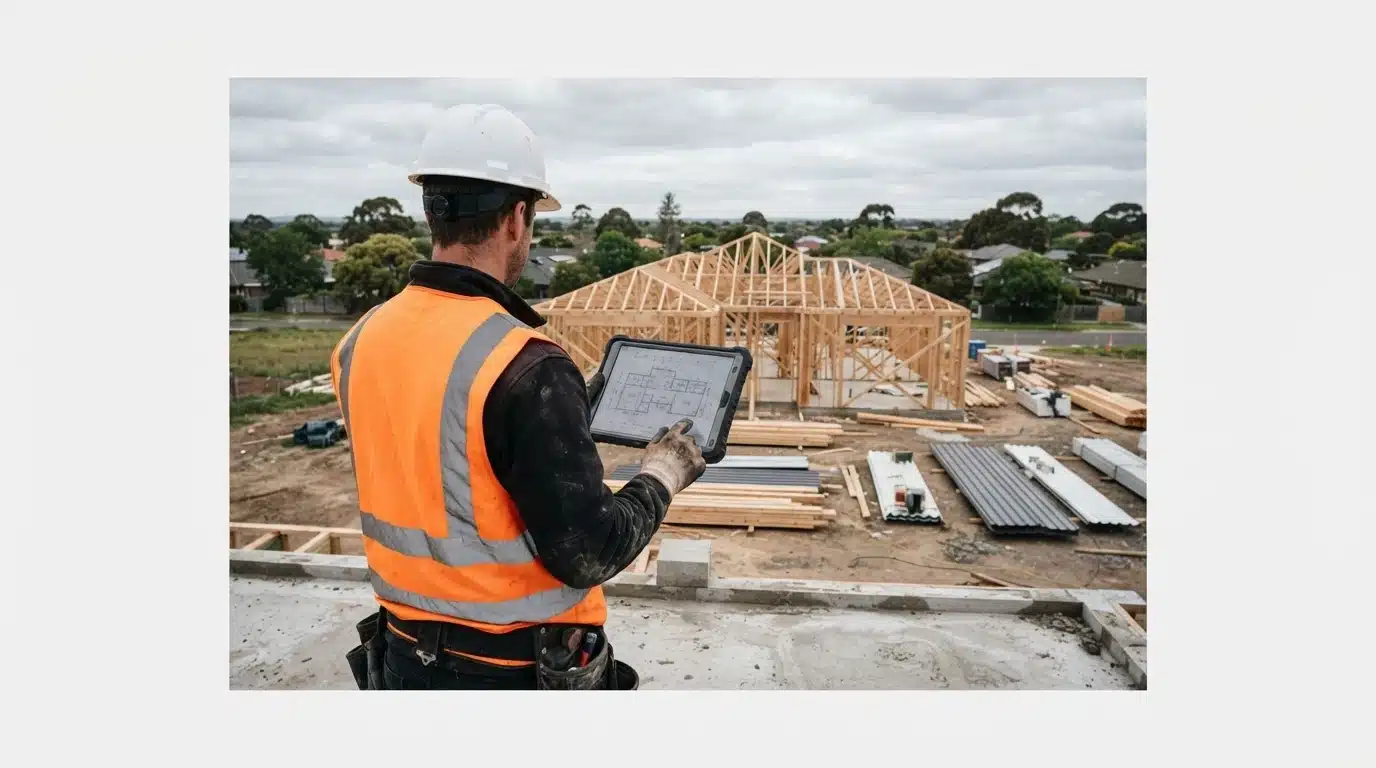
Homebuilders are in a tricky position. While demand remains relatively strong, the cost to build a new home has climbed significantly. According to a recent report from the National Association of Home Builders (NAHB), the average cost of raw materials for a single-family home is up 19% compared to pre-pandemic levels. This has forced many builders to focus on higher-margin luxury properties, leaving a gap in the market for affordable starter homes.
This is a numbers game they can’t always win.
Builders often face regulatory hurdles and delays in permitting that can stall projects for months. The process is sensitive to government operations; for instance, the prospect of federal shutdowns can create uncertainty and backlogs in agencies that approve certain development stages. Despite these challenges, new construction is a critical release valve for market pressure, and its pace is one of the most watched indicators.
Regional Inventory Disparities
The national housing inventory picture is not a monolith—it’s a patchwork quilt of wildly different local markets. While some areas are seeing a welcome increase in available homes, others remain stubbornly tight. For example, data from Redfin shows that rapidly growing Sun Belt cities like Austin and Phoenix have seen active listings jump by over 30% year-over-year as the market cools from a blistering pace. Buyers there finally have more negotiating power.
In contrast, many markets in the Northeast and Midwest have experienced only single-digit inventory growth. In these regions, a combination of stable demand and less new construction keeps competition fierce. Local zoning laws and economic development policies also play a huge role in these regional differences, often becoming central topics during discussions around local elections. These disparities mean a homebuyer’s experience in Ohio can be completely different from one in Texas, a trend that is likely to become even more pronounced.

Demographic Shifts and Emerging Buyer Behaviors
The raw numbers of housing supply and demand tell one story, but the human element tells another. Who is buying homes, and what do they actually want? The answers are changing rapidly, driven by generational handovers and a complete re-evaluation of the relationship between home and work. This shift is arguably the most significant force shaping the U.S. housing market trends heading into 2027.
The Millennial and Gen Z Influence
For years, headlines questioned if millennials would ever buy homes. That question has been answered with a resounding yes. According to a recent report from the National Association of Realtors, millennials and the oldest members of Gen Z now represent a combined 43% of all homebuyers. Their preferences are distinctly different from those of their parents. They prioritize energy efficiency, smart home technology, and flexible spaces that can serve as both a home office and a gym.
This generation is also entering the market with record levels of student debt and facing significant affordability hurdles. This financial pressure shapes their decisions, leading many to seek smaller homes in more affordable locations or explore co-buying arrangements with friends or family. What most people miss is how this financial strain has made them incredibly savvy consumers, often spending months researching markets and financing options before making a move. Their economic anxieties are becoming key voter concerns that could influence future housing policy.
Remote Work’s Lasting Impact on Location Choices
The widespread adoption of remote and hybrid work has fundamentally broken the traditional link between job location and home address. Suddenly, a daily commute is no longer a primary factor for a significant portion of the workforce. This has given millions of Americans extraordinary freedom to choose a home based on lifestyle, affordability, and proximity to family rather than the office. This isn’t just a temporary trend; it’s a permanent realignment.
Dr. Amelia Vance, a sociologist at the University of Chicago studying modern work, explains that “the ability to work from anywhere has turned housing into a consumer product chosen for its features, not just its location.” Why would someone pay a premium for a small apartment in an expensive city if their “office” is just a laptop? This freedom has triggered major migration patterns, with many leaving high-cost coastal cities for more spacious and affordable options in the Sun Belt and Midwest.
Suburban Resurgence vs. Urban Core Shifts
This migration has fueled a massive resurgence in suburban living. Buyers are trading walkability for larger homes, private yards, and more space for home offices. The data suggests—though not conclusively—that suburbs within a one-hour drive of major cities have seen the most significant price appreciation. These “zoom towns” offer a blend of space and accessibility that appeals to the hybrid worker.
But this doesn’t mean cities are dead. Far from it.
Urban cores are adapting, with some experiencing a shift in demand towards larger apartments or condos suitable for remote work. The appeal of city life—culture, dining, and walkability—remains strong, especially for younger buyers and empty nesters. the reliability of city infrastructure is under greater scrutiny, as the ripple effect of disruptions on necessary public services can heavily influence a buyer’s decision to commit to a dense urban environment.
Investment Property Trends and Demographic Opportunities
These demographic shifts are also creating new avenues for real estate investors. There is a growing demand for single-family rentals (SFRs) as many millennials and Gen Zers choose to rent longer before buying. This group values the flexibility and professional management that institutional SFR landlords can provide.
Another area of growth is in multi-generational housing. As aging Baby Boomers look to downsize or live closer to family, and their adult children seek to reduce living costs, properties with accessory dwelling units (ADUs)—think in-law suites or backyard cottages—have become highly desirable. Investors who can identify and cater to these specific demographic needs are finding opportunities even in a challenging market. The future of housing isn’t just about location; it’s about accommodating these evolving family structures.

Navigating the Future: Strategies for Buyers, Sellers, and Investors
Understanding broad market shifts is one thing; knowing how to act on them is another entirely. The changing U.S. housing market requires a tailored approach depending on your goals. Whether you’re looking to buy your first home, sell your current one, or invest in property, preparation and strategy are significant.
Necessary Steps for Prospective Homebuyers
Patience has become the most valuable virtue for today’s homebuyers. With inventory levels still tight in many regions and mortgage rates fluctuating, a reactive approach can lead to costly mistakes. Preparing your finances is less like a sprint and more like training for a marathon; it requires steady, long-term effort. This means getting your financial house in order long before you start scrolling through listings. And since housing affordability is a major topic of debate, understanding the key voter concerns that shape housing policy can provide insight into potential future assistance programs or tax changes.
Flexibility is your greatest asset.
Being open to different neighborhoods, property types, or even a slightly smaller home can dramatically expand your options. The data suggests—though not conclusively—that buyers who are pre-approved and can make a quick, clean offer often win bidding wars, even if their offer isn’t the absolute highest. It’s about reducing friction for the seller.
Financial Preparation Checklist
Before you even contact a real estate agent, you should have a clear picture of your financial standing. But what does that actually involve? Focus on these key areas to build a strong foundation for your home purchase (which, let’s be honest, is stressful enough without last-minute financial surprises).
- Credit Score Health: Aim for a score of 740 or higher to access the most favorable interest rates. A report from Experian showed that borrowers in this range often receive interest rates nearly a full percentage point lower than those with scores in the mid-600s.
- Debt-to-Income (DTI) Ratio: Lenders typically look for a DTI of 43% or less. Calculate this by dividing your total monthly debt payments by your gross monthly income. This single number is a huge factor in your loan eligibility.
- Down Payment and Closing Costs: While 20% is the traditional down payment goal to avoid private mortgage insurance (PMI), many conventional and FHA loans allow for much less. The National Association of Realtors notes the typical down payment for first-time buyers is closer to 7%. Just be sure to also save an additional 2-5% of the home’s price for closing costs.
- Get Pre-Approved, Not Just Pre-Qualified: A pre-approval involves a lender thoroughly reviewing your financial documents and gives you a firm budget. This makes your offer much more compelling to a seller. Also, be mindful of how external events, like federal shutdowns, can sometimes delay government-backed loan processing.
Optimizing Your Home Sale in a Dynamic Market
For sellers, the days of simply listing a home and watching dozens of offers roll in may be slowing in certain markets. I suspect that sellers who focus on move-in readiness will have a distinct advantage. This doesn’t necessarily mean a full-gut renovation. Instead, focus on high-impact, low-cost improvements.
According to Remodeling Magazine’s “Cost vs. Value” report, projects like a new garage door or manufactured stone veneer can recoup over 90% of their cost at resale. Even simple things like fresh neutral paint, updated light fixtures, and professional staging can significantly decrease a property’s time on the market. Strategic pricing from day one is also critical; overpricing can cause a home to sit, leading to price cuts that make buyers suspicious.
Smart Investment Approaches for Long-Term Growth
The real estate investment game is shifting from short-term flips to a focus on long-term cash flow and appreciation. With higher borrowing costs, the profit margins on quick flips have become razor-thin. Investors are now looking for properties that can generate steady rental income and build equity over several years. This requires a deeper analysis of a property’s fundamentals, including location, local job growth, and rental demand.
Diversifying Your Real Estate Portfolio
Putting all your capital into one type of property in one location is like betting your entire retirement on a single stock. Portfolio diversification is key to mitigating risk and capturing growth in different market segments. This could mean expanding beyond single-family rentals into small multi-family properties like duplexes or fourplexes, which can provide multiple streams of income.
Another area gaining significant attention is the build-to-rent sector. These are entire communities of single-family homes built specifically for renting. A recent analysis from Hunter Housing Economics highlighted that build-to-rent construction has increased by more than 35% in the last two years. For investors, this can offer a chance to buy new-construction assets with lower initial maintenance costs. Geographic diversification, investing in markets with different economic drivers, provides another layer of protection against localized downturns.
Policy and Economic Drivers: Shaping the Housing Horizon
The trajectory of the U.S. housing market doesn’t exist in a vacuum; it’s directly tied to the health of the broader economy. Key indicators like inflation and employment rates act as the primary forces dictating affordability and demand. A recent analysis from the Brookings Institution found that a sustained 2% increase in the national unemployment rate could correlate with a 5.3% drop in median home prices within 18 months. It’s a direct link.
On the policy side, government initiatives play a significant role in either easing or tightening market conditions. Local zoning reform, for example, is a hot-button issue in many municipalities, with debates raging over allowing denser housing construction to increase supply. At the federal level, decisions on subsidies and infrastructure spending can have widespread consequences, illustrating how federal policy shifts create ripple effects that touch nearly every household.
These economic pressures ultimately become political fuel. Housing affordability is consistently ranked as a top concern for voters, influencing election outcomes and subsequent legislative priorities. What most people miss is how slowly these policy changes—even popular ones—actually get implemented. The debate around a first-time homebuyer tax credit, for instance, has been circulating for years with little movement.
The interplay between these economic realities and political actions will largely define the housing landscape for the foreseeable future. The direction it takes depends heavily on which force exerts more pressure.

Beyond the Numbers: The New Meaning of Home
As we look forward, the most profound shift in the housing market may not be economic, but psychological. The pandemic and the rise of remote work have fundamentally altered the role a home plays in our lives. It is no longer just a place of shelter or a simple financial asset; it has become a hybrid space—an office, a school, a gym, and a sanctuary. This redefinition of ‘home’ is driving demand for different features, layouts, and locations, a trend that will likely outlast any single interest rate cycle. The real question moving forward is, how will cities, suburbs, and builders adapt to a population that now values their living space not just for its location, but for its multifaceted utility in their daily lives?
Frequently Asked Questions
Will housing prices continue to rise in the coming years?
While the rapid price acceleration of the past few years has cooled, most economists do not predict a major crash. Instead, a period of slower, more modest appreciation is expected. Persistent low inventory will likely prevent significant price drops in most markets, though some overheated regions may see minor corrections.
What impact will higher interest rates have on mortgage payments?
Higher interest rates directly increase the cost of borrowing, leading to larger monthly mortgage payments. For example, a 1% increase on a $350,000 loan can add hundreds of dollars to a monthly payment. This reduces a buyer’s purchasing power and makes affordability a significant challenge for many.
Is it a good time to buy a home, sell a home, or invest in real estate?
The answer depends entirely on your personal financial situation and goals. For buyers, it’s a challenging market that requires strong financial preparation and patience. Sellers with low-rate mortgages may find it difficult to move, while investors are finding new opportunities in single-family rentals and multi-generational housing.
How are regional markets expected to perform differently?
Significant regional disparities are expected to continue. Sun Belt cities that saw explosive growth may experience a more noticeable cooling period with rising inventory. In contrast, many stable markets in the Midwest and Northeast may remain highly competitive due to a combination of steady demand and less new construction.
What role do government policies play in housing market stability?
Government policies play a important role, from the Federal Reserve’s influence on interest rates to local zoning laws that affect new construction. Federal housing programs can help with affordability, while broader economic policies impacting jobs and inflation also have a direct effect on buyer confidence and market stability.