

WIC Program 2026: Expanding Food Benefits for Families – What’s New This Quarter?
The Special Supplemental Nutrition Program for Women, Infants, and Children, universally known as WIC, has been a cornerstone of nutritional support for millions of American families for decades. As we move into 2026, the WIC Program 2026 is undergoing significant enhancements and crucial updates designed to further strengthen its impact. These changes are not just administrative tweaks; they represent a concerted effort to expand food benefits, streamline eligibility, and ensure that more pregnant women, new mothers, infants, and young children receive the vital nutritional support they need to thrive. Understanding these new provisions, especially the quarterly updates, is essential for current participants, potential applicants, and community advocates alike.
The importance of the WIC Program 2026 cannot be overstated. It addresses critical nutritional needs during crucial periods of growth and development, directly contributing to healthier pregnancies, improved birth outcomes, and better cognitive development in children. By providing access to nutritious foods, nutrition education, breastfeeding support, and referrals to healthcare and other social services, WIC plays a pivotal role in reducing food insecurity and improving long-term health outcomes for vulnerable populations. This article will delve deep into the specifics of the WIC Program 2026, highlighting the expanded food benefits, detailing the latest eligibility criteria, and outlining what families can expect from the quarterly updates throughout the year.
Understanding the Core Mission of WIC in 2026
At its heart, the WIC program remains dedicated to safeguarding the health of low-income pregnant women, postpartum women, and infants and children up to age five who are at nutritional risk. The WIC Program 2026 continues this mission with renewed vigor, adapting to contemporary nutritional science and the evolving needs of families. The program’s core services—supplemental nutritious foods, nutrition education, support for breastfeeding, and referrals to healthcare—are all being reinforced and, in many cases, expanded to offer more comprehensive assistance. The overarching goal is to foster healthier beginnings and ensure a strong foundation for future well-being, directly impacting public health outcomes across the nation.
One of the key tenets of the WIC Program 2026 is its proactive approach to nutrition. Rather than merely reacting to existing nutritional deficiencies, WIC aims to prevent them by providing guidance and resources that empower families to make informed dietary choices. This preventative focus is crucial for breaking cycles of poverty and poor health, leading to healthier generations. The program’s emphasis on breastfeeding, for instance, is not just about infant nutrition but also about maternal health and the long-term benefits for both mother and child, including reduced risks of certain diseases.
Expanded Food Benefits: A Game Changer for Families
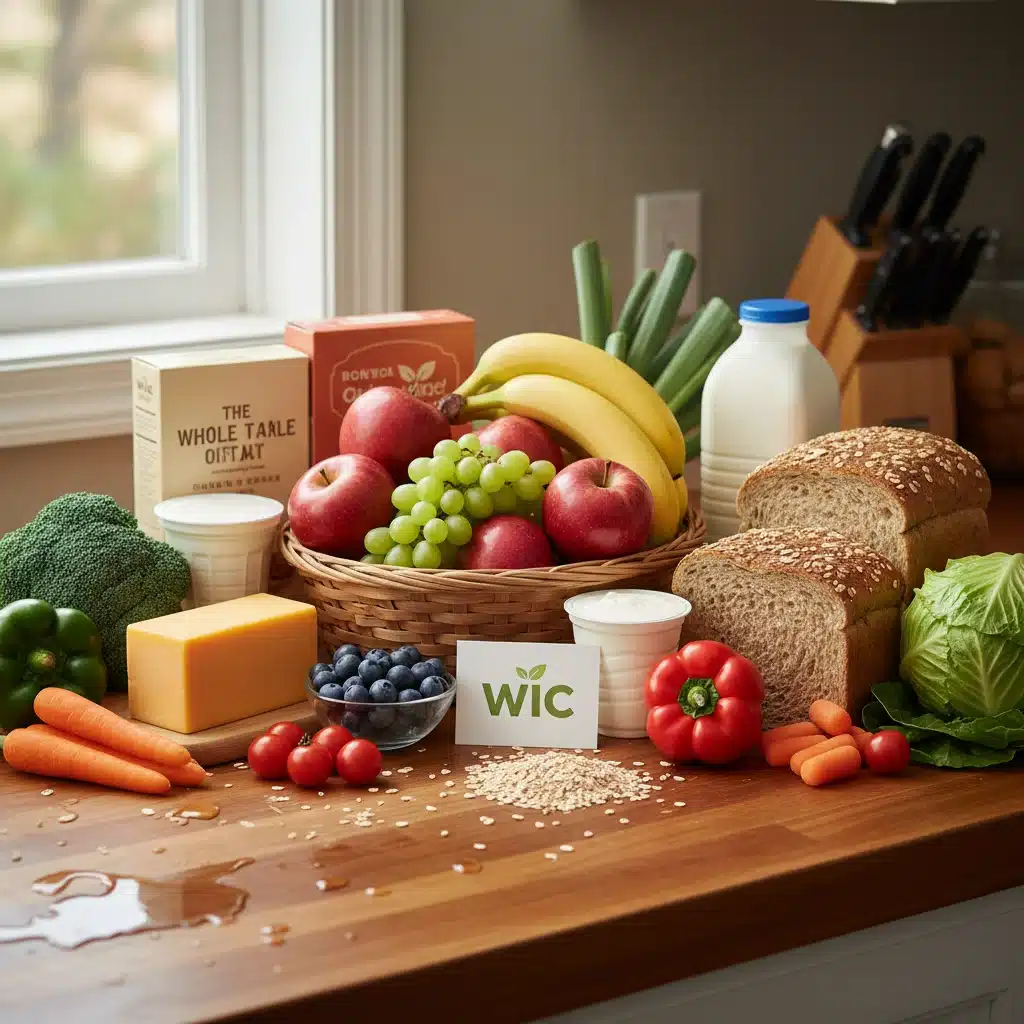
Perhaps the most anticipated aspect of the WIC Program 2026 is the significant expansion of food benefits. Recognizing the rising cost of healthy foods and the diverse dietary needs of participating families, the program has introduced several enhancements to the WIC food package. These expansions are designed to provide a wider variety of nutritious options, increase the monetary value of benefits for certain food categories, and make healthy eating more accessible and appealing. Families can now look forward to more flexibility and choice when selecting foods that align with dietary guidelines and cultural preferences.
Specific changes to the food package in the WIC Program 2026 include:
- Increased Cash Value Benefit (CVB) for Fruits and Vegetables: This is a major highlight. The CVB for fruits and vegetables has seen a substantial increase, allowing families to purchase a greater quantity and variety of fresh, frozen, or canned produce. This boost is critical for ensuring participants meet recommended daily allowances for these essential food groups, which are often expensive.
- Broader Selection of Whole Grains: The program now allows for a more diverse range of whole grain options, moving beyond just bread and tortillas to include items like quinoa, brown rice, and specific whole-grain cereals, offering more culinary flexibility.
- Enhanced Dairy and Non-Dairy Alternatives: Recognizing the prevalence of lactose intolerance and dietary preferences, the WIC Program 2026 has expanded the acceptable non-dairy alternatives, ensuring that all participants can access calcium-rich foods.
- Flexibility in Protein Sources: While remaining focused on lean proteins, there’s greater flexibility in the types of protein sources available, including certain legumes and plant-based protein options, catering to diverse dietary needs and choices.
These expanded benefits are not arbitrary; they are the result of extensive research and recommendations from scientific bodies, ensuring that the WIC food package reflects the latest dietary guidelines and best practices for maternal and child nutrition. The goal is to provide a robust nutritional safety net that genuinely supports healthy growth and development.
Eligibility Criteria for WIC Program 2026: What’s New?
While the fundamental eligibility requirements for WIC remain consistent – generally requiring participants to be pregnant, breastfeeding, or postpartum women, or infants and children up to age five, who meet income guidelines and are determined to be at nutritional risk – the WIC Program 2026 has also introduced some subtle but important clarifications and potential expansions to ensure the program reaches those most in need. Income guidelines are updated annually based on federal poverty levels, so it’s crucial for families to check the most current figures for their state.
Key points regarding eligibility for the WIC Program 2026:
- Income Thresholds: Families must have incomes at or below 185% of the U.S. poverty level. However, participation in other assistance programs like SNAP, Medicaid, or TANF often confers automatic income eligibility for WIC, simplifying the application process for many vulnerable families.
- Nutritional Risk Assessment: A health professional conducts a nutritional risk assessment during the application process. This can include medical-based risks (e.g., anemia, underweight, high-risk pregnancy) or dietary-based risks (e.g., inadequate dietary patterns). The WIC Program 2026 is refining how these assessments are conducted, potentially incorporating more comprehensive screening tools to identify broader nutritional needs.
- Residency Requirements: Applicants must reside in the state or local agency where they apply. There are no citizenship requirements for WIC participation, making it accessible to a wider range of families.
- Streamlined Application Process: Efforts are underway to make the application and re-certification process more user-friendly. This may include increased availability of online pre-screening tools and simplified documentation requirements, reducing barriers to access.
It’s always recommended for interested individuals to contact their state or local WIC agency directly for the most precise and up-to-date eligibility information, as specific criteria can vary slightly by state due to local program implementations and waivers.
Quarterly Updates for WIC Program 2026: Staying Informed
A significant feature of the WIC Program 2026 is the emphasis on regular, transparent quarterly updates. These updates are crucial for adapting the program to current economic conditions, public health recommendations, and participant feedback. They ensure that WIC remains responsive and effective throughout the year, rather than waiting for annual overhauls. Families, WIC staff, and community partners should pay close attention to these announcements to understand any new provisions, temporary changes, or specific state-level initiatives.
What to Expect from Quarterly Updates:
- Benefit Adjustments: While the core expanded food benefits are set, quarterly updates might include minor adjustments to the Cash Value Benefit (CVB) for fruits and vegetables based on inflation or specific seasonal availability.
- Food List Revisions: Periodically, the list of WIC-approved foods might be updated to include new products, remove discontinued items, or incorporate new nutritional recommendations. These changes are typically announced with ample notice.
- Policy Clarifications: The WIC Program 2026 may issue clarifications on eligibility, documentation, or program operations to ensure consistent application across states.
- Special Initiatives: States may roll out temporary initiatives or pilot programs in response to local needs, such as increased breastfeeding support services or specific nutrition education campaigns. Quarterly updates will highlight these.
- Emergency Provisions: In the event of natural disasters or public health emergencies, WIC often implements temporary flexibilities (e.g., remote certifications, increased benefit amounts). Quarterly updates will be a primary channel for communicating such critical information.
To stay informed, participants should regularly check their state WIC agency’s website, sign up for email newsletters, or inquire during their WIC appointments. Many WIC agencies also utilize social media to disseminate timely information. Being proactive about these updates ensures families can maximize their WIC Program 2026 benefits.
The Impact of WIC Program 2026 on Public Health
The enhancements within the WIC Program 2026 are expected to have a profound positive impact on public health indicators. By increasing access to nutrient-dense foods, the program directly combats issues like childhood obesity, iron deficiency anemia, and low birth weight. The emphasis on nutrition education empowers parents to make healthier choices for their families, fostering habits that can last a lifetime. Breastfeeding support, a cornerstone of WIC, has well-documented benefits for both infants (reduced risk of infections, SIDS) and mothers (reduced risk of certain cancers, postpartum depression).
Furthermore, the WIC Program 2026 acts as a vital link to other essential health and social services. Through referrals, WIC participants gain access to prenatal care, immunizations, well-child check-ups, and other community resources. This integrated approach ensures that families receive holistic support, addressing not just their nutritional needs but their broader health and well-being. The economic benefits are also significant; healthier children are more likely to perform better in school, leading to greater educational attainment and long-term economic productivity.
Breastfeeding Support: A Renewed Focus
Breastfeeding is a critical component of the WIC Program 2026, with continued and enhanced support for mothers choosing to breastfeed. WIC provides lactation consultants, peer counselors, and breastfeeding aids (like breast pumps) to help mothers initiate and continue breastfeeding successfully. The expanded food packages for fully breastfeeding mothers also reflect the increased nutritional needs during this period, offering more generous benefits compared to non-breastfeeding or partially breastfeeding mothers. This renewed focus underscores WIC’s commitment to promoting what is widely recognized as the optimal form of infant nutrition.
How to Apply for WIC Program 2026 Benefits
Applying for the WIC Program 2026 is a straightforward process, though it requires a few steps. Here’s a general guide:
- Find Your Local WIC Agency: The first step is to locate your nearest WIC clinic or agency. This can usually be done by searching online for ‘WIC + [Your State]’ or ‘WIC + [Your City/County]’.
- Contact for an Appointment: Call your local WIC agency to schedule an appointment. During this call, they will inform you of the necessary documents to bring.
- Gather Required Documents: Typically, you’ll need proof of identity (for all family members applying), proof of residency, and proof of income. Examples include a driver’s license, birth certificates, utility bills, pay stubs, or Medicaid/SNAP/TANF award letters.
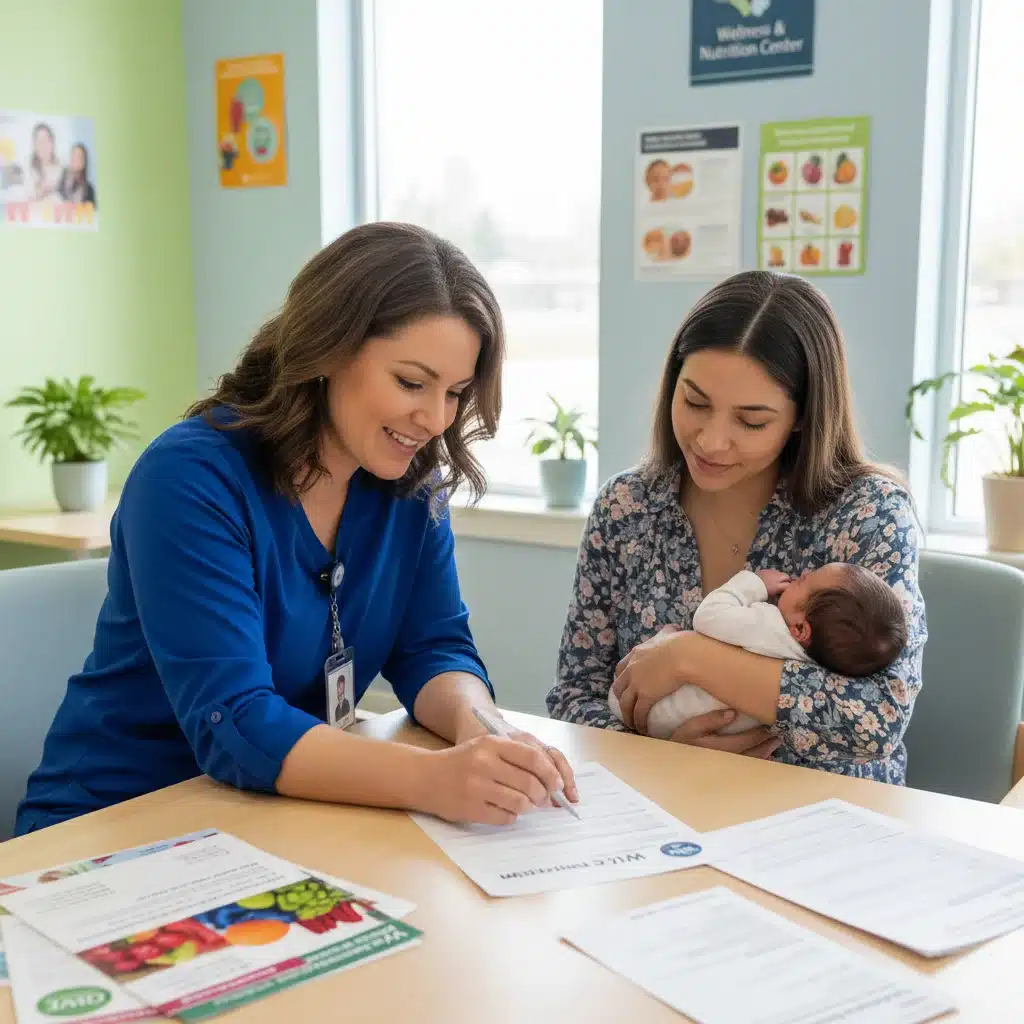
- Attend Your Appointment: During the appointment, a WIC staff member will review your documents, conduct a nutritional risk assessment, and provide nutrition education. For infants and children, they will take height/length and weight measurements.
- Receive Your Benefits: If eligible, you will receive an EBT card (or similar electronic benefit transfer system) loaded with your food benefits, along with information on how to use it at authorized WIC stores. You’ll also learn about future appointments for nutrition education and benefit re-issuance.
The WIC Program 2026 is continually working to make this process as accessible as possible, including options for remote appointments where feasible, especially in response to public health considerations. Don’t hesitate to reach out to your local WIC office with any questions or for assistance with the application.
WIC Program 2026 and Technology Integration
Technology plays an increasingly vital role in the efficiency and accessibility of the WIC Program 2026. The shift from paper vouchers to Electronic Benefit Transfer (EBT) cards has significantly streamlined the shopping experience for participants and reduced administrative burdens for retailers. Looking ahead, there’s a push towards greater digital integration, potentially including:
- Mobile Apps: Development of WIC-specific mobile applications that allow participants to check their benefit balance, find WIC-approved stores, access nutrition education resources, and even schedule appointments.
- Online Education Platforms: Expanding online platforms for nutrition education, offering a wider range of interactive modules and resources that participants can access at their convenience.
- Telehealth for Assessments: Increased use of telehealth services for nutritional risk assessments and counseling, particularly beneficial for families in rural areas or those with transportation challenges.
- Data Analytics: Utilizing data analytics to better understand participant needs, identify areas for program improvement, and tailor interventions more effectively.
These technological advancements aim to make the WIC Program 2026 even more responsive and user-friendly, ensuring that support is delivered efficiently and effectively to those who need it most.
Addressing Common Misconceptions About WIC
Despite its long-standing presence, several misconceptions about WIC persist. It’s important to clarify these, especially in the context of the WIC Program 2026, to encourage eligible families to apply:
- "WIC is only for people on welfare." This is false. WIC serves low to moderate-income families. Many working families, even those with two parents, qualify based on income and nutritional risk.
- "WIC foods are limited and unhealthy." With the expanded food benefits in the WIC Program 2026, this is further from the truth. WIC provides a wide array of healthy, nutritious foods, including fresh fruits and vegetables, whole grains, lean proteins, and dairy, all aligned with dietary guidelines.
- "Applying for WIC is too complicated." While there’s an application process, WIC staff are dedicated to helping families navigate it. With efforts towards streamlining, the process is becoming even easier.
- "WIC is only for babies." WIC supports pregnant women, breastfeeding and postpartum women, and children up to age five, covering crucial developmental stages.
Dispelling these myths is crucial for ensuring that the WIC Program 2026 reaches its full potential in supporting family health and nutrition.
Conclusion: A Brighter Future with WIC Program 2026
The WIC Program 2026 represents a significant step forward in the nation’s commitment to maternal and child health. With expanded food benefits, refined eligibility criteria, and a focus on regular quarterly updates, the program is poised to provide more comprehensive and responsive support to millions of families. These enhancements are not merely administrative changes; they reflect a deeper understanding of the complex interplay between nutrition, health, and socio-economic well-being. By ensuring access to nutritious foods, vital education, and critical health referrals, WIC continues to build a stronger, healthier foundation for the youngest members of our society and their mothers.
For families across the United States, the WIC Program 2026 offers a beacon of hope and practical assistance. It is a testament to the enduring power of public health initiatives to make a tangible difference in individual lives and community health outcomes. We encourage all eligible families to explore the benefits of WIC and take advantage of the expanded resources available. Staying informed about the quarterly updates will ensure participants can fully leverage every provision designed to foster health and well-being. The future of WIC is bright, promising a healthier tomorrow for countless women, infants, and children.