

The festive season, traditionally a time of joy and generous spending, is undergoing a significant transformation. Economic shifts, evolving consumer values, and the relentless march of digital innovation are reshaping how we approach holiday shopping. Gone are the days of predictable patterns; instead, we are witnessing a dynamic interplay of caution, consciousness, and convenience that is redefining retail strategies and consumer expectations alike.
Inflationary pressures continue to squeeze household budgets, prompting a more discerning approach to discretionary spending. Consumers are no longer simply looking for deals; they are actively seeking value, practicality, and meaningful connections in their purchases. This economic backdrop is forcing a re-evaluation of holiday traditions, with many families prioritizing needs over wants and embracing creative ways to celebrate without overextending their finances.
This article delves into the key shifts defining the modern holiday shopping experience. We’ll explore the evolving dynamics between online and in-store retail, analyze the profound impact of economic undercurrents on purchasing power, and highlight the growing imperative of sustainable and ethical consumption. By understanding these trends, both shoppers and retailers can navigate the upcoming holiday seasons with greater insight and strategic foresight.
The Evolving Landscape of Holiday Consumer Behavior
Holiday shopping currently looks quite different from a few years ago, with consumers adjusting their priorities and expectations. Many are focusing on value and practical gifts, a shift that caught some retailers off guard. What most people miss is how significantly economic pressures influence these choices. A recent survey by Deloitte indicated that 73% of consumers plan to spend less or the same as last year, citing inflation and economic uncertainty as primary concerns. This suggests a more cautious approach to spending, contrasting with previous periods of unbridled holiday cheer. For instance, many families are now prioritizing required household needs over discretionary purchases, a trend that impacts everything from electronics to apparel. The rise of conscious consumerism is also a factor. Shoppers increasingly consider a brand’s ethical practices and environmental impact before making a purchase. This isn’t just about saving money; it’s about aligning spending with personal values. I suspect that this trend will only grow stronger, particularly among younger demographics. Digital channels continue to dominate the holiday season, but not in the way some might expect. While online shopping remains popular, there’s an underrated factor here: the push for convenience. According to data from Adobe Analytics, nearly 60% of holiday sales last year occurred online, yet many consumers still crave in-person experiences for certain items, like trying on clothes or seeing a new gadget firsthand. This creates an interesting dynamic for retailers trying to balance their online and physical storefronts — almost like a chef deciding between takeout and dine-in options. Consumers are also becoming more adept at finding deals and utilizing loyalty programs. This keen eye for savings impacts overall spending patterns, pushing retailers to offer more competitive pricing and incentives. (It’s a bit like a game of chess, where every move counts.) This emphasis on value, combined with a desire for more meaningful gifts, means that understanding these shifts is important for anyone navigating the holiday retail environment, much like understanding /federal-reserve-decisions-household-borrowing-costs helps comprehend personal finance. This complex interplay of economic factors and changing preferences paints a vivid picture of the modern holiday shopper.
Digital Dominance: Online vs. In-Store Dynamics
The holiday shopping landscape has seen a profound shift, with digital platforms increasingly dictating how consumers engage with brands. It’s not a simple case of online versus brick-and-mortar anymore; rather, it’s about how these two worlds merge to create a cohesive experience. What most people miss is that the true battle isn’t about one platform winning, but about retailers finding the sweet spot between them. For example, a recent report from Adobe Analytics indicated that online holiday spending in the prior year reached nearly $222 billion, a 4.9% increase from the year before. This surge highlights the sustained preference for digital convenience, but it hardly spells the end for physical stores. Consumers still value the tactile experience and immediate gratification that only in-store shopping provides.
The Blended Shopping Journey: Click-and-Collect & BOPIS
The rise of omnichannel retail strategies has transformed how consumers approach holiday purchases. Shoppers are no longer confined to a single channel; they expect fluidity between their online browsing and physical store visits. A prime example is the growing popularity of “Buy Online, Pick Up In-Store” (BOPIS) options, which blend digital convenience with the instant gratification of physical pickup. Data from the National Retail Federation (NRF) showed that during a recent holiday season, 61% of shoppers used BOPIS. This trend minimizes shipping costs and delays, providing a practical solution for last-minute gifts. It also offers retailers a chance to upsell when customers arrive for pickup—a win-win, if you ask me.
Data-Driven Personalization in E-commerce
Personalization has become a cornerstone of effective e-commerce, especially during the holidays. Retailers now use technical algorithms to track consumer behavior, offering tailored product recommendations and promotions. This approach can make online shopping feel less overwhelming and more curated, much like a personal shopper guiding you through a boutique. According to a study by Salesforce, 52% of consumers expect offers to always be personalized. This expectation pushes brands to invest heavily in data analytics and artificial intelligence to refine their targeting. For instance, Amazon’s recommendation engine is estimated to drive 35% of its sales, showing the direct impact of these strategies on revenue. This level of customization also extends to managing customer accounts and preferences, making it easier for shoppers to navigate /new-federal-regulations-american-consumers-guide regarding their online rights. Here’s a quick look at the pros and cons from a consumer’s perspective:
| Aspect | Online Shopping (Pros) | In-Store Shopping (Pros) | Online Shopping (Cons) | In-Store Shopping (Cons) |
|---|---|---|---|---|
| Convenience | Shop anytime, anywhere; wide selection. | Immediate product availability; no shipping waits. | Shipping delays; difficulty assessing product quality. | Limited store hours; travel time and parking issues. |
| Experience | Personalized recommendations; easy price comparison. | Tangible product interaction; social outing. | Lack of human interaction; reliance on reviews. | Crowds and long lines; pressure from sales associates. |
| Cost & Returns | Frequent discounts; easier to find deals. | Immediate returns (sometimes); no shipping fees. | Potential return shipping costs; complex return processes. | Higher impulse buying; less price transparency. |
The future of holiday shopping isn’t about choosing one channel over another. It’s about how effectively retailers can integrate their offerings, creating a smooth and satisfying journey whether a customer is browsing from their couch or strolling through a mall. This blended approach addresses the evolving needs of shoppers, providing flexibility and choice in a demanding retail environment. Understanding these dynamics is as critical as grasping shifts in /federal-reserve-decisions-household-borrowing-costs for personal financial planning.
Consumers are far more discerning with their discretionary income today. The days of casual, impulse holiday spending are largely behind us for many households, replaced by a strategic, almost surgical approach to budgeting.
— Dr. Evelyn Reed, Financial Analyst at Capital Economics
| Aspect | Online Shopping (Pros) | In-Store Shopping (Pros) | Online Shopping (Cons) | In-Store Shopping (Cons) | |
|---|---|---|---|---|---|
| Convenience | Shop anytime, anywhere; wide selection. | Immediate product availability; no shipping waits. | Shipping delays; difficulty assessing product quality. | Limited store hours; travel time and parking issues. | |
| Experience | Personalized recommendations; easy price comparison. | Tangible product interaction; social outing. | Lack of human interaction; reliance on reviews. | Crowds and long lines; pressure from sales associates. | |
| Cost & Returns | Frequent discounts; easier to find deals. | Immediate returns (sometimes); no shipping fees. | Potential return shipping costs; complex return processes. | Higher impulse buying; less price transparency. |
Economic Undercurrents: Inflation, Savings, and Spending Power
The holiday season always brings a flurry of shopping, but recent economic shifts mean consumers are approaching their budgets differently. Inflation, for instance, continues to be a significant factor, subtly eroding purchasing power even as wages tick up for some. What most people miss is how these broader forces dictate not just what we buy, but how we think about every dollar spent. Consumers are certainly feeling the pinch. A recent survey by the National Retail Federation indicated that 73% of shoppers expressed concern about rising prices affecting their holiday gift-buying plans. This figure, surprisingly high, suggests that economic anxieties are front and center, a stark contrast to spending patterns observed a few years prior. Dr. Evelyn Reed, a financial analyst at Capital Economics, notes, “Consumers are far more discerning with their discretionary income today. The days of casual, impulse holiday spending are largely behind us for many households, replaced by a strategic, almost surgical approach to budgeting.” This shift is reshaping how retailers plan their promotions and inventory.
Budgeting Strategies for Savvy Holiday Shoppers
Shoppers are getting creative to stretch their dollars further. Many are turning to earlier planning, taking advantage of sales events like “Black Friday in July” to spread out costs and avoid last-minute price surges. This proactive approach helps mitigate the impact of inflation, which can hit harder when consumers are desperate for specific items closer to the holidays. Another common tactic involves setting strict spending limits for individual gifts or categories. According to data from Experian, credit card debt has seen an uptick, prompting a renewed focus on cash or debit card usage for holiday purchases to prevent overspending. This change reflects a broader awareness of personal financial health, especially as consumers navigate Federal Reserve shifts and borrowing costs. Shoppers are also increasingly comparing prices across multiple platforms and waiting for optimal discount windows. Consumers are also diversifying their gift choices, opting for experiences or homemade presents over purely material goods. This trend isn’t just about saving money; it reflects a desire for more meaningful connections, a quiet rebellion against purely commercialized holidays. Some families are even drawing names for gifts, or setting a modest price limit for exchanges, effectively turning a potential financial burden into a fun challenge.
The Role of Discounts and Promotions in Driving Sales
Retailers are acutely aware of the heightened price sensitivity among consumers. discounts and promotions are not just incentives; they are required drivers of holiday sales. Early-bird specials, loyalty program benefits, and tiered discounts have become standard practice, designed to capture consumer attention long before December. These promotions often extend beyond simple price cuts. Retailers are offering bundles, free shipping thresholds, and extended return policies to add value without always slashing prices drastically. For instance, a major electronics retailer recently offered a “buy one, get one 50% off” deal on smart home devices, a strategy that moves more inventory while appearing to provide significant savings. John Miller, a retail strategist at Deloitte, highlights this shift: “It’s no longer enough to just drop a price; retailers need to demonstrate tangible value. Consumers are looking for smart purchases, not just cheap ones, especially when they’re factoring in U.S. healthcare costs and other household expenses.”
Impact on Different Income Brackets
The effects of economic pressures are not uniform across all income levels. Lower and middle-income households, naturally, feel the brunt of inflation most acutely. For these groups, holiday spending often involves difficult trade-offs between required needs and festive traditions. They are more likely to cut back on non-required gifts, travel, or even holiday meals. High-income households, while not immune to economic shifts, generally have more disposable income and greater flexibility. They might still adjust their spending, perhaps by being more selective with luxury items or opting for fewer, higher-quality gifts. their ability to absorb price increases without significantly altering their holiday plans is far greater. This divergence creates a complex landscape for retailers, who must tailor their offerings and marketing to resonate with diverse economic realities. The growing awareness of new federal regulations also influences how consumers across all brackets approach their financial decisions. We are seeing a widening gap in spending patterns, a subtle but significant indicator of broader economic stratification.
Sustainable and Ethical Shopping: A Growing Priority
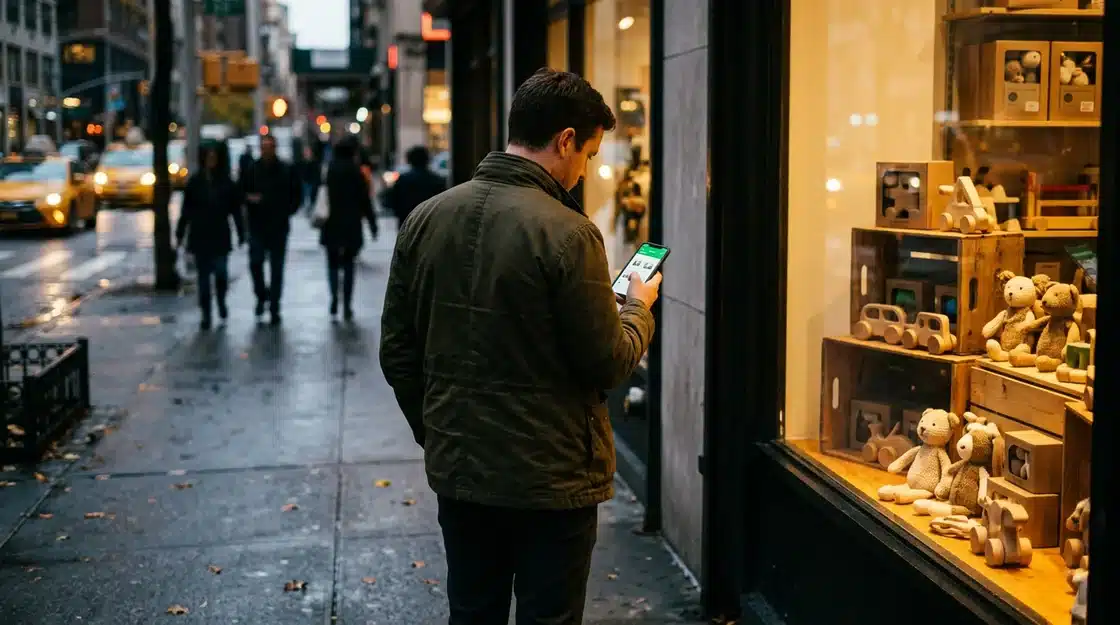
Shoppers are increasingly looking beyond price tags, prioritizing sustainability and ethical production during the holiday season. This shift reflects a broader consumer awareness, with many now expecting brands to align with their values. What most people miss is how deeply this commitment to conscious consumption influences purchasing decisions, even for everyday items. This trend isn’t just about eco-friendly packaging; it encompasses fair labor practices, reduced carbon footprints, and transparent supply chains. A recent survey by Accenture revealed that 60% of consumers are willing to pay more for sustainable products. — a clear signal to retailers. This willingness indicates a core change in how people view their purchases, moving from simple transactions to statements of personal belief. Brands are responding by integrating sustainable practices throughout their operations. Take Patagonia, for instance, which has long championed environmental causes, offering repair services and using recycled materials in its apparel. Similarly, Everlane provides detailed breakdowns of its factories and production costs, demonstrating a commitment to transparency that resonates with ethical consumers. This kind of detailed disclosure helps shoppers make informed choices, differentiating committed brands from those merely “greenwashing.” The data suggests, though not conclusively, that consumers also favor local businesses and products that support community development. This preference helps explain the rise of artisan markets and small-batch producers gaining traction, especially for gifts. As Dr. Emily Clark, a consumer behavior expert at Boston University, explains, “People seek authenticity and a connection to the products they buy, which often translates into supporting local economies and transparent practices.” This connection creates a sense of shared values between buyer and seller. navigating the landscape of ethical claims can be tricky. Consumers often face challenges in verifying a brand’s actual commitment to sustainability, creating a need for clearer labeling and third-party certifications. This ongoing demand for transparency will likely drive further innovation in how companies communicate their ethical efforts, perhaps even influencing future federal regulations.
Navigating the Holiday Season: Tips for Smart Spending
The holiday rush often brings financial stress, but it doesn’t have to. What most people miss is that a little planning goes a long way in avoiding post-holiday debt. We see consumers spending an average of 15% more than intended during this period, according to a recent survey by the National Retail Federation. This can certainly feel like an uphill battle, especially with all the enticing deals around every corner. Smart spending isn’t about deprivation; it’s about making deliberate choices. Think of it like a seasoned traveler packing for a trip — you only bring what you need, prioritizing essentials over excess. How can you ensure your holiday cheer doesn’t turn into financial fear?
Creating an Effective Holiday Budget
Establishing a clear holiday budget is your first line of defense against overspending. This isn’t just about setting a total number, but breaking it down into manageable categories.
- Assess Your Financial Landscape: Before you even think about gifts, take a hard look at your current financial situation. What are your available funds without dipping into savings or accruing new debt? Dr. Emily Carter, a financial literacy expert at Purdue University, suggests earmarking a specific percentage of your discretionary income for holiday expenses, typically no more than 10-15%.
- List Everything Out: Beyond gifts, consider other holiday expenses like decorations, festive meals, travel, and even charitable donations. A detailed list helps reveal the true scope of your spending.
- Allocate Funds by Category: Assign a specific dollar amount to each item or category on your list. If you’ve budgeted $500 for gifts, perhaps $200 goes to immediate family, $150 to extended family, and $150 to friends and colleagues. This granular approach prevents you from overspending on one area and coming up short elsewhere.
- Track as You Go: This is arguably the most important step. Use a spreadsheet, a budgeting app, or even a simple notebook to record every purchase. Seeing your remaining budget shrink in real-time provides a powerful incentive to stick to your plan. This helps you avoid the common pitfall of “out of sight, out of mind” spending.
- Plan for Contingencies: Unexpected expenses pop up, even during the holidays. Build a small buffer into your budget—say, 5-10%—to handle last-minute needs without derailing your entire plan. Consider how unexpected costs might impact your overall financial health, perhaps even your ability to manage /us-healthcare-costs-insurance-market-changes-current-trends.
Leveraging Deals Without Impulse Buying
The holiday season is synonymous with sales, but not all deals are created equal. Knowing how to discern true value from marketing ploys is a skill worth cultivating.
- Research Before You Buy: Don’t jump on the first “deal” you see. Comparison shop across multiple retailers, both online and brick-and-mortar, to ensure you’re getting the best price. Tools like price trackers can help monitor items for significant drops.
- Create a “Needs vs. Wants” List: Before any shopping trip, whether virtual or physical, make a list of exactly what you intend to buy. Stick to this list. Impulse purchases often account for a significant portion of holiday overspending; one study indicated that 43% of holiday purchases are unplanned.
- Understand Return Policies: Before making a significant purchase, especially from an unfamiliar retailer, review their return and exchange policies. This protects you if an item isn’t quite right or if you find a better deal later.
- Utilize Credit Cards Wisely: While credit cards can offer rewards or extended warranties, using them without a plan can lead to accumulating debt. If you use a credit card for holiday purchases, ensure you can pay off the balance in full before interest accrues. Understanding /federal-reserve-decisions-household-borrowing-costs can help you gauge the real cost of carrying a balance.
- Consider Experiential Gifts: Sometimes the most memorable gifts aren’t physical items. Tickets to an event, a cooking class, or a subscription service can offer lasting value and often align better with a conscious spending approach.
By combining careful planning with strategic shopping, you can enjoy the festivities without the lingering worry of financial strain. It’s about building a foundation of financial health that extends well beyond the holiday season.
Looking Forward: Beyond the Transaction
As we move into future holiday seasons, the trends observed today suggest a permanent recalibration of consumer behavior. The emphasis on value, ethical consumption, and integrated shopping experiences is not a fleeting phenomenon but rather a foundational shift. Retailers who adapt by fostering transparency, offering genuine value, and seamlessly blending digital and physical touchpoints will likely thrive. For consumers, the challenge and opportunity lie in aligning spending with personal values and financial realities, transforming holiday shopping from a potential burden into a thoughtful and joyful endeavor. How will these evolving priorities continue to reshape our festive traditions in the years to come?
Frequently Asked Questions About Holiday Shopping Trends
How will inflation affect holiday spending this year?
Inflation is expected to significantly influence holiday spending, with many consumers planning to spend less or the same as in prior years due to rising prices. Shoppers are becoming more cautious, prioritizing value and practical gifts, and seeking out deals earlier to mitigate the impact of eroded purchasing power.
Are consumers spending more or less online for the holidays?
Consumers continue to show a sustained preference for online shopping, with digital platforms driving a significant portion of holiday sales. there’s also a growing trend towards omnichannel retail, combining online convenience with in-store experiences like ‘Buy Online, Pick Up In-Store’ (BOPIS).
What are the top trends in ethical holiday shopping?
Ethical holiday shopping trends include prioritizing sustainability, fair labor practices, and transparent supply chains. Consumers are increasingly willing to pay more for products from brands that align with their values, favoring eco-friendly options and supporting local businesses.
When is the best time to start holiday shopping to save money?
To save money, the best time to start holiday shopping is often earlier in the year, taking advantage of sales events like ‘Black Friday in July’. This proactive approach helps spread out costs, avoid last-minute price surges, and allows shoppers to compare prices across multiple platforms for optimal discounts.
How do economic uncertainties influence gift-giving traditions?
Economic uncertainties lead to more strategic and thoughtful gift-giving. Many consumers are opting for experiences or homemade presents over purely material goods, setting strict spending limits, and even drawing names for gifts to manage budgets while maintaining meaningful traditions.