

New EPA Regulations on Vehicle Emissions: What They Mean for Auto Manufacturers Starting January 2026
The automotive industry stands at the precipice of a monumental transformation, driven by the United States Environmental Protection Agency’s (EPA) latest push for cleaner air. Effective January 2026, a new set of stringent EPA emissions regulations will fundamentally reshape how auto manufacturers design, produce, and market their vehicles. These regulations are not merely an incremental adjustment; they represent a significant leap towards decarbonization and a healthier environment, demanding innovative solutions and strategic recalibration from every player in the automotive sector. Understanding the nuances of these new standards, their profound implications, and the pathways to compliance is paramount for continued success in a rapidly evolving market.
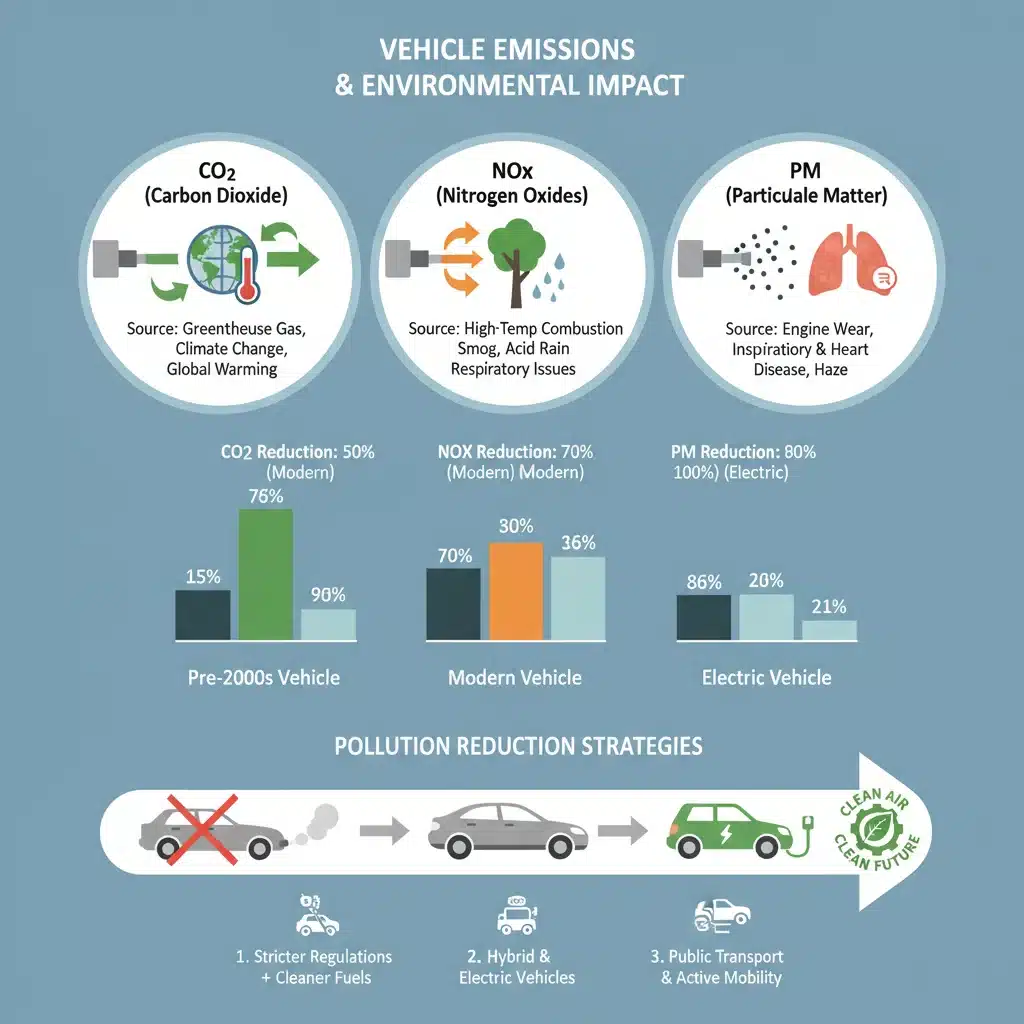
For decades, the EPA has played a critical role in setting standards that mitigate the environmental impact of transportation. From the initial Clean Air Act to subsequent amendments and updates, each regulatory cycle has pushed the industry towards greater efficiency and reduced pollution. The 2026 EPA emissions regulations are a continuation of this legacy, but with an accelerated timeline and ambitious targets. They aim to drastically cut greenhouse gas (GHG) emissions, particularly carbon dioxide (CO2), and reduce harmful criteria pollutants like nitrogen oxides (NOx) and particulate matter (PM) from light-duty and medium-duty vehicles. This initiative is a cornerstone of the broader national strategy to combat climate change and improve public health, especially in urban areas heavily affected by vehicle exhaust.
The primary driver behind these intensified EPA emissions regulations is the urgent need to address climate change and its devastating effects. Scientific consensus unequivocally points to human activities, especially the burning of fossil fuels, as the main contributor to rising global temperatures. Transportation, being a significant source of these emissions, is a natural target for regulatory action. Beyond climate concerns, local air quality improvements are a major benefit. Reduced NOx and PM lead to fewer respiratory illnesses, lower rates of heart disease, and overall better public health outcomes. Therefore, the 2026 standards are a dual-pronged approach: tackling global climate challenges while simultaneously improving local air quality for millions of Americans.
Manufacturers face a complex challenge. The new rules necessitate a rapid acceleration in the development and adoption of advanced vehicle technologies. This isn’t just about tweaking existing internal combustion engine (ICE) designs; it’s about a fundamental shift in powertrain strategies. Electric vehicles (EVs) and highly efficient hybrid electric vehicles (HEVs) are expected to play a central role in meeting these targets. The regulations are structured to incentivize this transition, effectively making it more costly and difficult to produce less efficient, higher-emitting vehicles. This creates both immense pressure and significant opportunities for innovation within the industry.
Understanding the Core of the 2026 EPA Emissions Regulations
To fully grasp the impact, it’s essential to delve into the specifics of the 2026 EPA emissions regulations. These regulations are not a monolithic block but rather a comprehensive framework targeting various aspects of vehicle emissions. They set new, lower limits for tailpipe emissions across different vehicle classes, with a particular focus on light-duty vehicles (passenger cars and light trucks) and medium-duty vehicles (heavier trucks and vans). The key metrics include:
- Greenhouse Gas (GHG) Emissions: The most significant aspect of the new rules is the reduction targets for CO2 emissions. The EPA has set ambitious fleet-wide average CO2 targets that will progressively tighten year over year, starting in 2026. This requires manufacturers to significantly improve fuel efficiency across their entire product line or increase the proportion of zero-emission vehicles sold.
- Criteria Pollutants: While GHG emissions are the primary focus for climate, the regulations also address traditional criteria pollutants. Stricter limits on NOx, non-methane organic gases (NMOG), carbon monoxide (CO), and particulate matter (PM) continue to be enforced, ensuring that air quality benefits are realized alongside climate goals. These pollutants contribute to smog and various health issues, making their reduction critical for urban environments.
- Durability and Warranty Requirements: The new rules also include provisions for longer durability requirements for emission control systems and extended warranty periods for key components. This ensures that vehicles maintain their low emission performance throughout their operational life, not just when they roll off the assembly line. This places a greater burden on manufacturers to produce robust and reliable emission control technologies.
- Compliance Pathways: The EPA offers various pathways for compliance, including averaging, banking, and trading (ABT) programs. These programs allow manufacturers flexibility by earning credits for selling vehicles that exceed the standards and using those credits to offset vehicles that fall short. However, the overall fleet average must still meet the stringent targets, making the ABT program a tool for strategic planning rather than a loophole.
The phased implementation of these standards means that the targets will become increasingly difficult to meet with each passing model year. This creates a continuous pressure cooker for innovation, forcing manufacturers to constantly seek out more efficient and cleaner technologies. The trajectory set by these EPA emissions regulations clearly points towards a future dominated by electrified powertrains.
Impact on Auto Manufacturers: Challenges and Opportunities
The implications of the 2026 EPA emissions regulations for auto manufacturers are far-reaching, touching every aspect of their operations, from research and development to supply chain management and consumer marketing.
Engineering and R&D Investment
A primary challenge is the immense investment required in research and development. Manufacturers must accelerate the development of advanced powertrain technologies, particularly in battery electric vehicles (BEVs), plug-in hybrid electric vehicles (PHEVs), and fuel cell electric vehicles (FCEVs). This includes not only the vehicles themselves but also the underlying components like batteries, electric motors, power electronics, and charging infrastructure. Significant resources will be poured into improving battery density, reducing charging times, and enhancing the overall efficiency and range of EVs. For ICE vehicles that remain part of the fleet, advanced combustion technologies, lightweight materials, and improved aerodynamics will be crucial to squeeze out every possible efficiency gain.
Supply Chain Transformation
The shift towards electric vehicles will necessitate a complete overhaul of existing supply chains. The demand for critical minerals like lithium, cobalt, and nickel for battery production will skyrocketing, leading to increased competition and potential geopolitical challenges. Manufacturers will need to secure reliable sources for these materials and invest in robust recycling programs to ensure sustainability. Furthermore, the components required for EVs are vastly different from those for ICE vehicles, requiring new manufacturing processes, retooling of factories, and retraining of the workforce. This represents a massive logistical and operational undertaking.
Production and Manufacturing Adjustments
Assembly lines designed for traditional gasoline engines will need to be reconfigured or replaced to accommodate EV production. This involves significant capital expenditure and potential disruptions to production schedules. The manufacturing of electric motors, battery packs, and other EV-specific components will require specialized facilities and expertise. Automakers that can adapt their manufacturing processes quickly and efficiently will gain a competitive advantage. Those that lag will face increasing compliance costs and market share erosion.
Market Strategy and Consumer Adoption
Meeting the EPA emissions regulations also depends heavily on consumer adoption of cleaner vehicles. Manufacturers must not only produce these vehicles but also effectively market them to the public. This involves addressing consumer concerns about range anxiety, charging infrastructure availability, purchase price, and resale value. Incentives, public education campaigns, and a robust charging network will be crucial to accelerating the transition. Manufacturers will need to carefully balance their product portfolios to offer a mix of vehicles that appeal to diverse consumer needs while still meeting overall fleet average emission targets.
Strategies for Compliance with the New EPA Emissions Regulations
Navigating the complex landscape of the 2026 EPA emissions regulations requires a multi-faceted approach. Manufacturers must embrace innovation, collaborate strategically, and anticipate future market trends.
Accelerated Electrification
The most straightforward path to compliance is accelerating the transition to electric vehicles. This means increasing the number of EV models offered, expanding production capacity, and making EVs more accessible and affordable for consumers. Investment in battery technology, electric motor efficiency, and power management systems is paramount. Companies that have already committed heavily to electrification are likely to be better positioned to meet the 2026 targets.
Optimizing Internal Combustion Engines (ICE)
While the long-term trend is towards electrification, ICE vehicles will still constitute a significant portion of the market in the short to medium term. Therefore, continuous innovation in ICE technology is crucial. This includes:
- Advanced Engine Designs: Developing more efficient combustion cycles, such as Atkinson or Miller cycle engines, and implementing technologies like variable valve timing and cylinder deactivation.
- Turbocharging and Downsizing: Using smaller, turbocharged engines to achieve better fuel economy without sacrificing performance.
- Improved Emission Control Systems: Enhancing catalytic converters, particulate filters, and selective catalytic reduction (SCR) systems to further reduce tailpipe emissions of NOx and PM.
- Hybridization: Integrating mild-hybrid (MHEV), full-hybrid (HEV), and plug-in hybrid (PHEV) technologies into existing ICE platforms to significantly boost fuel efficiency and reduce emissions.
The sheer scale of the challenge might necessitate increased collaboration within the industry. Joint ventures for battery production, shared platforms for EV components, and partnerships for charging infrastructure development could help spread the financial burden and accelerate technological progress. Furthermore, engaging with policymakers and regulatory bodies to provide feedback and seek clarification on implementation details will be important for effective compliance.
The Role of Electric Vehicles in Meeting EPA Emissions Regulations
Electric vehicles (EVs) are undoubtedly the cornerstone of meeting the 2026 EPA emissions regulations. Their zero-tailpipe emission nature makes them the most effective tool for reducing fleet-wide average GHG emissions. The regulations are designed to accelerate their adoption, and manufacturers are responding with significant investments.
Expanding EV Product Portfolios
Every major automaker has announced aggressive plans to introduce multiple new EV models across various segments, from compact cars to SUVs and pickup trucks. This expansion aims to cater to a wider range of consumer preferences and accelerate the market shift away from ICE vehicles. The diversity of EV offerings will be crucial for achieving the required sales volumes to meet regulatory targets.
Advancements in Battery Technology
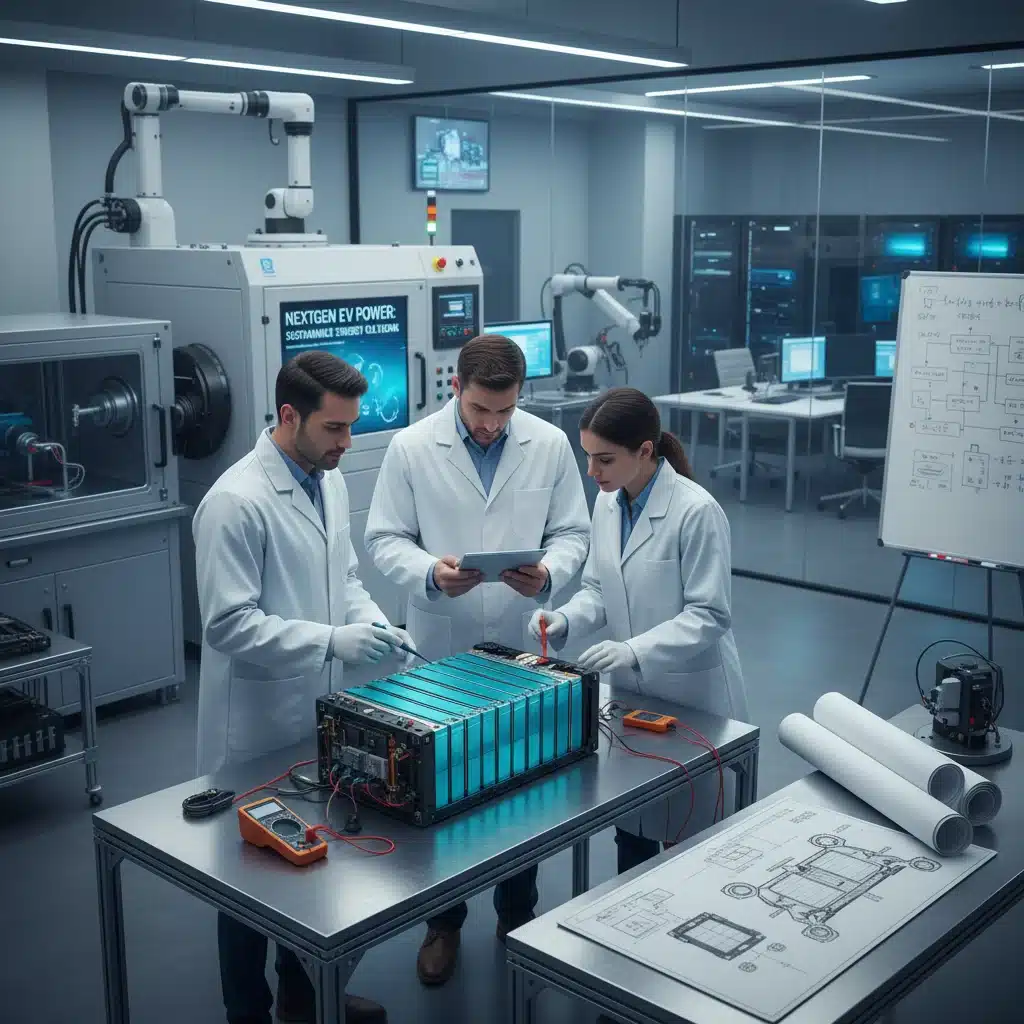
The continuous improvement in battery technology is critical for EV success. This includes increasing energy density (for longer range), reducing charging times, improving cold-weather performance, and lowering manufacturing costs. Solid-state batteries, for example, hold the promise of significantly higher energy density and faster charging than current lithium-ion batteries, and manufacturers are heavily investing in their development.
Charging Infrastructure Development
While not directly under the purview of auto manufacturers, a robust and accessible charging infrastructure is vital for widespread EV adoption. Automakers are increasingly partnering with charging network providers and advocating for government investment in public charging stations. The availability of convenient and reliable charging options directly influences consumer willingness to switch to EVs, thereby impacting manufacturers’ ability to meet emission targets.
Long-Term Outlook and Future Trends Beyond 2026
The 2026 EPA emissions regulations are not an endpoint but rather a significant milestone in a longer journey towards a zero-emission transportation sector. The trajectory set by these rules indicates several long-term trends and future challenges for the automotive industry.
Continued Tightening of Standards
It is highly probable that future regulatory cycles will see even stricter emission targets. As technology advances and the urgency of climate action grows, the pressure to further decarbonize transportation will intensify. Manufacturers should view the 2026 regulations as a baseline for continuous improvement rather than a final destination.
Focus on Lifecycle Emissions
Beyond tailpipe emissions, there is a growing focus on the full lifecycle emissions of vehicles, from manufacturing to end-of-life recycling. This includes the emissions associated with battery production, electricity generation (for EVs), and the disposal of vehicle components. Future regulations might increasingly incorporate these upstream and downstream emissions, pushing manufacturers towards more sustainable production processes and circular economy principles.
Hydrogen Fuel Cell Technology
While EVs are currently leading the charge, hydrogen fuel cell electric vehicles (FCEVs) may play a more significant role, especially in heavy-duty transportation, as hydrogen production becomes greener and infrastructure develops. Manufacturers are investing in FCEV research, recognizing their potential for long-range, quick refueling, and zero tailpipe emissions.
Software-Defined Vehicles and Over-the-Air Updates
The rise of software-defined vehicles (SDVs) will allow for continuous optimization of vehicle performance and efficiency through over-the-air (OTA) updates. This could enable manufacturers to improve emission performance and fuel economy even after a vehicle has been sold, offering new avenues for compliance and customer value. Software will become as critical as hardware in meeting future environmental standards.
Global Harmonization of Standards
As climate change is a global issue, there is an ongoing trend towards the harmonization of emission standards across different regions. While challenges remain, greater alignment between the EPA, European Union, and Asian regulatory bodies could streamline vehicle development and reduce complexity for global automakers.
Conclusion: A New Era for Auto Manufacturing
The new EPA emissions regulations effective January 2026 mark a pivotal moment for the automotive industry. They represent a clear mandate for accelerated environmental responsibility and technological innovation. While the challenges are substantial, particularly in terms of investment in R&D, supply chain transformation, and manufacturing adjustments, they also unlock unprecedented opportunities for growth and leadership in a greener economy.
Manufacturers that proactively embrace these changes, prioritize electrification, optimize existing technologies, and strategically manage their product portfolios will not only meet compliance requirements but also emerge as leaders in the next generation of sustainable mobility. The road ahead demands agility, foresight, and a deep commitment to engineering excellence. The future of the auto industry is inextricably linked to its ability to innovate and adapt to these evolving environmental imperatives, ultimately delivering cleaner, more efficient, and sustainable transportation solutions for all.
The journey to a zero-emission future is complex and multifaceted, but the 2026 EPA emissions regulations provide a critical framework and a powerful impetus. By understanding their scope, impact, and the strategies for compliance, auto manufacturers can not only navigate this new era successfully but also drive the innovation necessary for a healthier planet.