Precious Metals Outlook: Gold & Silver Forecast Early 2026
The world of investment is constantly evolving, with various assets vying for investor attention. Among the most enduring and historically significant are precious metals, particularly gold and silver. Often considered safe havens during economic uncertainty and hedges against inflation, their allure remains strong. As we look ahead to early 2026, understanding the Precious Metals Outlook for the next three months becomes crucial for investors seeking to make informed decisions. This comprehensive analysis will delve into expert predictions, examine the macroeconomic factors at play, and offer insights into potential price movements for these valuable commodities.
Investing in gold and silver is not merely about chasing short-term gains; it’s often a strategic move to preserve wealth, diversify portfolios, and protect against systemic risks. The coming months are likely to be shaped by a confluence of global economic trends, geopolitical developments, and monetary policy decisions, all of which will have a profound impact on the trajectory of precious metals. Our aim is to provide a clear, data-driven perspective on what investors can expect, helping them navigate the complexities of the market.
Understanding the Current Landscape for Precious Metals Outlook
Before casting our gaze forward, it’s essential to briefly review the current state of the precious metals market. The end of 2025 and the beginning of 2026 are anticipated to be periods of significant transition for the global economy. Inflationary pressures, while potentially moderating, are likely to remain a key concern, influencing central bank policies. Interest rate decisions, particularly from major economies like the United States and the Eurozone, will play a pivotal role. Higher interest rates typically increase the opportunity cost of holding non-yielding assets like gold and silver, but their impact can be offset by other factors such as increased demand for safe-haven assets.
Geopolitical tensions, which have been a persistent feature of the global landscape, are also expected to continue. Conflicts, trade disputes, and political instability often drive investors towards gold and silver as traditional stores of value. The stability of the U.S. dollar, another significant factor, will also bear watching. A weaker dollar generally makes dollar-denominated commodities like gold and silver more attractive to international buyers, as it effectively makes them cheaper. Conversely, a stronger dollar can exert downward pressure on prices. The interplay of these forces creates a dynamic environment for the Precious Metals Outlook.
Supply and demand dynamics also form a critical component of the current landscape. Mining output, recycling rates, and industrial demand all contribute to the overall supply picture. On the demand side, investment demand (from ETFs, central banks, and individual investors), jewelry demand, and technological applications are key drivers. Any significant shifts in these areas can have a material impact on prices. For instance, a surge in central bank gold purchases, a trend observed in recent years, can provide strong underlying support for gold prices.
Expert Predictions for Gold in Early 2026
Gold, often hailed as the ultimate safe haven, is expected to continue its role as a key portfolio diversifier in early 2026. Experts generally anticipate a bullish to moderately bullish Precious Metals Outlook for gold over the three-month period. Several factors underpin this sentiment. Firstly, persistent, albeit potentially easing, inflation concerns will likely keep gold attractive. While central banks may have made progress in taming inflation, the memory of rising prices often compels investors to seek protection in assets that historically perform well during such periods.
Inflationary Pressures and Interest Rates
The trajectory of inflation will be paramount. If inflation proves more stubborn than anticipated, or if there are renewed signs of its acceleration, gold’s appeal as an inflation hedge will strengthen considerably. Conversely, a rapid and sustained decline in inflation could reduce some of gold’s luster, as the need for such a hedge diminishes. Related to this are interest rates. While higher real interest rates (nominal rates minus inflation) can be a headwind for gold, the market’s expectation of future rate cuts, even if not immediate, can provide support. If central banks signal a pause or a pivot towards easing policy, the opportunity cost of holding gold decreases, making it more attractive.
Geopolitical Risks and Economic Uncertainty
Global geopolitical risks are not expected to dissipate entirely. Ongoing conflicts, political instability in various regions, and the potential for new flashpoints will likely fuel demand for gold as a safe-haven asset. Economic uncertainty, including concerns about global growth slowdowns or potential recessions in key economies, also tends to drive investors towards gold. When traditional equity markets face volatility, gold often acts as a counter-cyclical asset, providing a degree of stability to portfolios. This dynamic is a cornerstone of the positive Precious Metals Outlook for gold.
Central Bank Demand and U.S. Dollar Strength
Central bank gold purchases have been a significant supportive factor in recent years. Many central banks are diversifying their reserves away from traditional currencies, viewing gold as a reliable store of value and a hedge against currency fluctuations. This trend is expected to continue into early 2026, providing a strong floor for gold prices. The U.S. dollar’s strength will also be closely monitored. A weakening dollar, potentially driven by shifts in monetary policy or concerns about U.S. economic performance, would make gold more affordable for holders of other currencies, thereby boosting demand. Most analysts project a relatively stable to slightly weaker dollar, which would be conducive to a positive Precious Metals Outlook for gold.
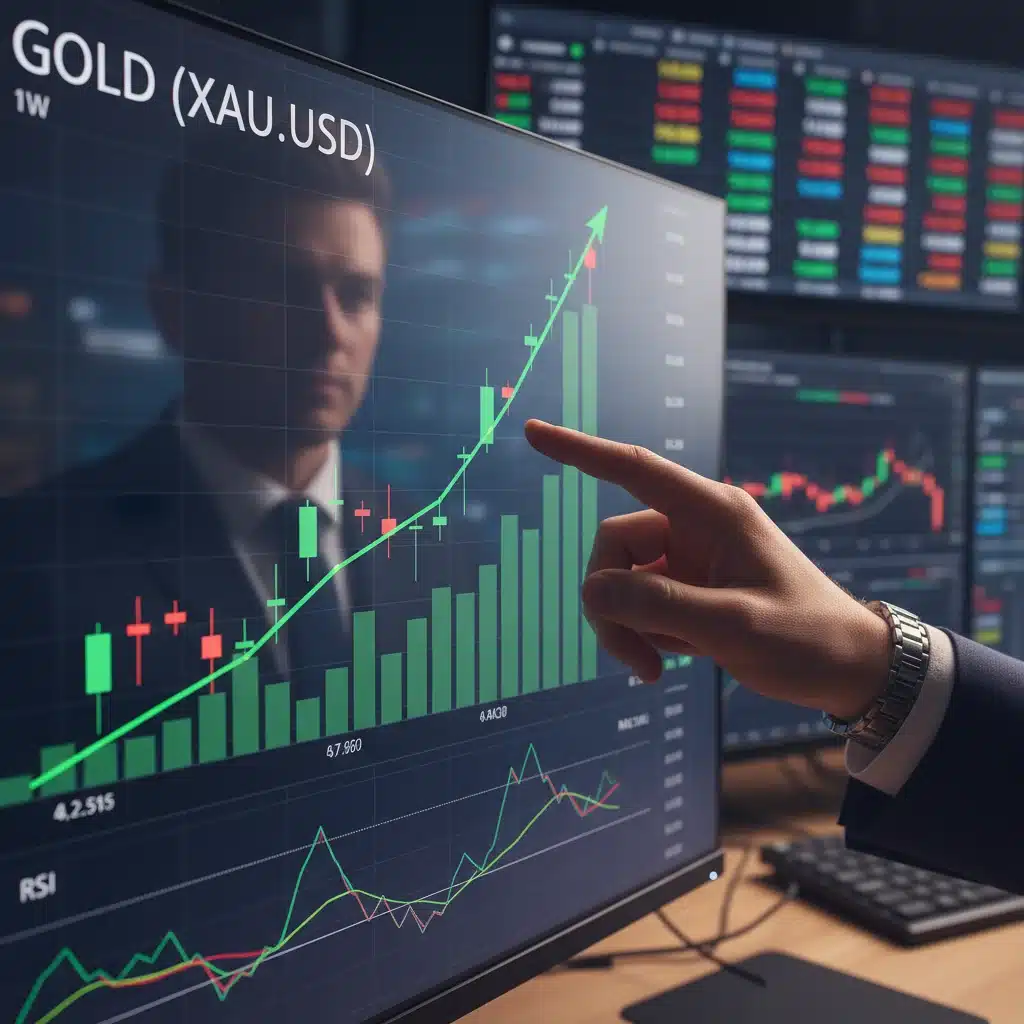
Based on these factors, many analysts predict gold prices could range between $2,100 and $2,400 per ounce in early 2026, with potential for spikes if significant geopolitical or economic shocks occur. Some more optimistic forecasts even see gold testing higher resistance levels, especially if inflation proves more persistent or if there’s a significant downturn in equity markets.
Expert Predictions for Silver in Early 2026
Silver, often referred to as ‘poor man’s gold,’ shares many of gold’s characteristics as a safe-haven asset but also has significant industrial demand, making its price movements more volatile and complex. The Precious Metals Outlook for silver in early 2026 is generally seen as positive, with potential for outperformance relative to gold under certain conditions.
Industrial Demand and Green Technologies
A major driver for silver is its extensive industrial use, particularly in emerging technologies. Silver is a critical component in solar panels, electric vehicles, and various electronic devices. The global push towards green energy and electrification is expected to fuel robust industrial demand for silver. As governments and industries invest heavily in renewable energy infrastructure, the demand for solar panels, which require substantial amounts of silver, will likely continue to grow. This strong underlying industrial demand provides a fundamental bullish case for silver, distinguishing its Precious Metals Outlook from gold’s purely monetary role.
Investment Demand and Gold/Silver Ratio
Like gold, silver also benefits from investment demand during periods of economic uncertainty and inflation. Investors often turn to silver as a more affordable alternative to gold, especially when the gold/silver ratio (the number of ounces of silver needed to buy one ounce of gold) is historically high. A high gold/silver ratio suggests that silver is undervalued relative to gold and has greater potential for appreciation. Many analysts anticipate that this ratio could compress in early 2026, indicating stronger performance for silver. This potential for ratio compression is a key element of the favorable Precious Metals Outlook for silver.
Monetary Policy and Economic Growth
Monetary policy will also influence silver prices. While higher interest rates can be a drag, the impact on silver is often mitigated by its industrial demand. If global economic growth remains resilient or picks up pace, industrial demand for silver will continue to be strong. Conversely, a significant global economic slowdown could temper industrial demand, although investment demand might pick up in response to increased uncertainty. The balance between these two forces will dictate silver’s performance. The general consensus points to a scenario where moderate economic growth supports industrial demand, contributing to a positive Precious Metals Outlook for silver.
Analysts project silver prices could trade in the range of $25 to $32 per ounce in early 2026, with potential for higher levels if the industrial demand from green technologies accelerates beyond current expectations or if gold experiences a significant rally, pulling silver along with it. The volatility of silver also means that while potential gains are higher, so too are the risks.
Key Factors Influencing the Precious Metals Outlook
Beyond the specific drivers for gold and silver, several overarching macroeconomic factors will shape the overall Precious Metals Outlook for early 2026. Understanding these broader influences is essential for a holistic investment strategy.
Global Inflation Trends
The persistence and trajectory of global inflation will be the single most important factor. If inflation remains elevated, precious metals will continue to be attractive as hedges. However, if central banks successfully bring inflation back to their target levels, some of the urgency for holding gold and silver might diminish. Investors should closely monitor Consumer Price Index (CPI) and Producer Price Index (PPI) reports from major economies.
Central Bank Monetary Policies
The actions of central banks, particularly the U.S. Federal Reserve, the European Central Bank, and the Bank of England, will significantly impact interest rates and liquidity. Any signals about future rate hikes, cuts, or quantitative tightening/easing will directly affect the opportunity cost of holding precious metals and the strength of fiat currencies. A dovish shift in policy could provide a tailwind for the Precious Metals Outlook.
Geopolitical Stability and Conflicts
Ongoing geopolitical tensions, regional conflicts, and the potential for new crises will consistently drive safe-haven demand. Investors tend to flock to gold and silver during times of heightened uncertainty, viewing them as reliable stores of value when other assets become volatile. Monitoring international relations and political developments is therefore crucial.
Economic Growth Projections
The health of the global economy, measured by GDP growth, employment figures, and manufacturing output, will influence both industrial and investment demand. A strong economy can boost industrial demand for silver but might also reduce safe-haven demand for both metals. A global slowdown, conversely, could increase safe-haven demand but dampen industrial activity. The nuanced interplay of these factors will define the Precious Metals Outlook.
U.S. Dollar Performance
As mentioned, the U.S. dollar’s strength or weakness has a direct impact on the dollar-denominated prices of gold and silver. A weaker dollar generally makes these metals more appealing to international investors. Factors influencing the dollar include interest rate differentials, U.S. economic performance relative to other major economies, and global risk sentiment. A sustained period of dollar weakness would undoubtedly enhance the Precious Metals Outlook.
Supply and Demand Fundamentals
Changes in mining output, recycling volumes, and consumption patterns across various sectors (jewelry, industrial, investment) will continuously affect the supply-demand balance. Any significant disruptions to supply or surges in demand could lead to price volatility. For instance, new mining discoveries or major technological advancements could shift the supply curve.
Investment Strategies for the Upcoming Quarter
Given the anticipated Precious Metals Outlook for early 2026, investors should consider several strategies to optimize their portfolios. It’s important to remember that past performance is not indicative of future results, and all investments carry risk.
Diversification
Precious metals, particularly gold, are excellent diversifiers. Including them in a balanced portfolio can help reduce overall risk and volatility, especially during periods of market stress. The low correlation of gold and silver with traditional assets like stocks and bonds makes them valuable components of a diversified strategy.
Dollar-Cost Averaging
For long-term investors, dollar-cost averaging can be an effective strategy. This involves investing a fixed amount of money at regular intervals, regardless of the price. This approach helps mitigate the impact of price volatility and can lead to a lower average purchase price over time. This is particularly relevant given the expected fluctuations in the Precious Metals Outlook.
Monitoring Key Economic Indicators
Staying informed about inflation data, interest rate announcements, GDP reports, and geopolitical developments is crucial. These indicators provide valuable clues about the market’s direction and can help investors anticipate shifts in the Precious Metals Outlook. Subscribing to reputable financial news sources and analyst reports can be beneficial.
Considering Different Investment Vehicles
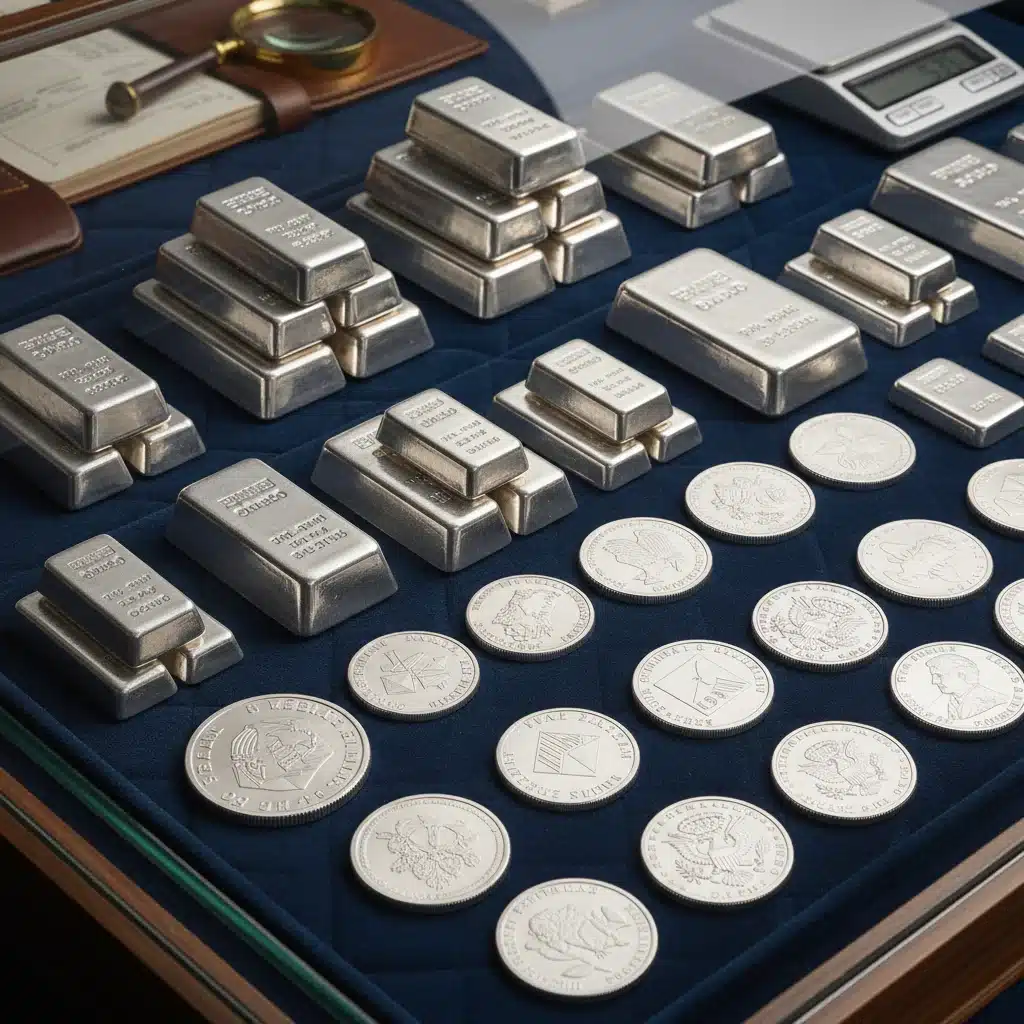
Investors have various ways to gain exposure to precious metals: physical bullion (coins and bars), exchange-traded funds (ETFs) that track gold or silver prices, and mining stocks. Each option has its own advantages and disadvantages in terms of liquidity, storage costs, and risk profile. For example, physical bullion offers direct ownership and protection against systemic risk, while ETFs provide liquidity and ease of trading. Mining stocks offer leverage to price movements but come with additional company-specific risks.
Risk Management
As with any investment, risk management is paramount. Investors should determine their risk tolerance and allocate capital to precious metals accordingly. Avoid over-concentrating your portfolio in a single asset class. Setting stop-loss orders for ETF or mining stock positions can help limit potential downside, though this is not applicable to physical bullion. Understanding the potential for volatility, especially in silver, is also key.
Potential Headwinds and Risks
While the Precious Metals Outlook for early 2026 appears generally positive, it is imperative to acknowledge potential headwinds and risks that could impact prices. A truly comprehensive analysis requires examining both the bullish and bearish scenarios.
Rapid Disinflation or Deflation
If inflation declines more rapidly than expected, or if the global economy enters a period of disinflation or even deflation, the appeal of gold and silver as inflation hedges would diminish significantly. This could lead to a reallocation of capital away from precious metals towards assets that perform better in such environments.
Aggressive Central Bank Tightening
Should central banks decide to maintain or even increase aggressive monetary tightening policies for longer than anticipated, higher real interest rates would likely put downward pressure on gold and silver prices. A stronger U.S. dollar, often a byproduct of aggressive tightening, would also be a negative factor for dollar-denominated commodities.
Stronger-Than-Expected Economic Growth
While moderate economic growth is generally supportive of industrial silver demand, a period of exceptionally strong global economic growth could lead investors to favor growth-oriented assets like equities over safe-haven assets. This ‘risk-on’ sentiment could divert capital away from precious metals.
Resolution of Geopolitical Conflicts
A significant de-escalation or resolution of major geopolitical conflicts could reduce safe-haven demand for gold and silver. While such developments would be positive for global stability, they might remove a key supportive pillar for precious metals prices.
Technological Advancements Reducing Demand
For silver, while current trends point to increasing industrial demand, unforeseen technological advancements could potentially reduce the amount of silver required in certain applications, or even lead to the development of cheaper substitutes. While this is a longer-term risk, it’s worth considering.
Conclusion: Navigating the Precious Metals Outlook in Early 2026
The Precious Metals Outlook for gold and silver in early 2026 appears cautiously optimistic, driven by a combination of persistent inflation concerns, ongoing geopolitical risks, and robust industrial demand (especially for silver). Gold is expected to maintain its role as a safe haven and inflation hedge, with price ranges potentially between $2,100 and $2,400 per ounce. Silver, benefiting from its dual role as an investment and industrial metal, particularly in green technologies, could see prices between $25 and $32 per ounce, with potential for higher upside due to its volatility and undervalued status relative to gold.
Investors should remain vigilant, closely monitoring global inflation trends, central bank policies, geopolitical developments, and the performance of the U.S. dollar. Diversification, dollar-cost averaging, and a clear understanding of personal risk tolerance are key strategies for navigating the precious metals market in the coming months. While the path ahead may not be entirely smooth, the fundamental drivers supporting gold and silver suggest that these precious metals will continue to play a vital role in well-balanced investment portfolios as we move through early 2026. The enduring appeal of these tangible assets as stores of value and hedges against uncertainty is likely to keep them in the spotlight.
Ultimately, the decision to invest in precious metals should align with individual financial goals and risk profiles. Consulting with a financial advisor can provide personalized guidance, helping investors integrate the insights from this Precious Metals Outlook into a broader, cohesive investment plan. The dynamic nature of the global economy ensures that careful consideration and ongoing monitoring will be essential for anyone looking to capitalize on the opportunities presented by gold and silver in the upcoming quarter.