LIHEAP 2026: Your Essential Guide to Winter Energy Assistance – Apply Now!
As the chill of winter approaches, the thought of rising energy bills can be a source of significant stress for many households. Fortunately, the Low Income Home Energy Assistance Program (LIHEAP) stands as a beacon of hope, offering crucial financial support to those struggling to keep their homes warm and safe. With winter 2026 on the horizon, now is the opportune moment to understand and prepare for your LIHEAP 2026 application. This comprehensive guide will walk you through everything you need to know to secure your energy assistance and potentially reduce your winter bills by an average of 25% – a vital saving that can make a real difference.
Understanding LIHEAP: More Than Just a Program
LIHEAP, a federally funded program, provides vital assistance to low-income households across the United States. It’s designed to help cover home energy costs, including heating and cooling, and can also assist with energy crises, weatherization, and minor energy-related home repairs. The program’s goal is not just to pay a bill but to ensure that vulnerable populations, including the elderly, people with disabilities, and families with young children, can maintain a safe and healthy living environment without sacrificing other necessities like food or medicine.
The impact of LIHEAP is profound. For many, it’s the difference between a warm home and a dangerously cold one. It prevents utility shut-offs, helps restore services, and contributes to the overall well-being and stability of countless families. As we look towards 2026, the program continues to be a critical safety net, adapting to evolving energy landscapes and economic challenges.
Who is LIHEAP For? Eligibility Criteria for LIHEAP 2026 Application
Eligibility for LIHEAP is primarily based on income, household size, and the state or tribal guidelines where you reside. While specific income thresholds vary by state and are updated annually, they generally fall within a certain percentage of the federal poverty level or the state median income. Typically, households with incomes at or below 150% of the federal poverty guidelines or 60% of the state median income are eligible. However, it’s crucial to check your specific state’s requirements for the LIHEAP 2026 application, as these can differ.
Other factors that might influence eligibility include:
- Household Composition: Priority is often given to households with young children, elderly individuals, or people with disabilities.
- Energy Burden: Some states consider the percentage of income spent on energy costs.
- Citizenship/Residency: Applicants must typically be U.S. citizens or qualified aliens.
It’s important not to self-disqualify. Even if you think your income might be slightly above the threshold, it’s always worth checking with your local LIHEAP office, as there can be exceptions or specific scenarios that allow for eligibility. The best way to confirm your eligibility for the LIHEAP 2026 application is to contact your state or local administering agency directly.
When and How to Submit Your LIHEAP 2026 Application
The application period for LIHEAP can vary significantly by state and even by local agency. While some states open their application windows in late summer or early fall to prepare for winter, others might have rolling applications or specific periods for heating, cooling, or crisis assistance. For your LIHEAP 2026 application, it is advisable to start gathering information and checking deadlines as early as possible, ideally in late summer or early fall of 2025, to be ahead of the curve for the 2026 winter season.
The LIHEAP 2026 Application Process: A Step-by-Step Guide
Navigating the application process can seem daunting, but breaking it down into manageable steps makes it much easier. Here’s a general guide to help you with your LIHEAP 2026 application:
Step 1: Locate Your Local LIHEAP Office
The first and most crucial step is to find out which agency administers LIHEAP in your area. This is typically done through your state’s social services department, a community action agency, or a dedicated energy assistance office. A simple online search for “LIHEAP [Your State]” or “energy assistance [Your County]” should provide the necessary contact information. You can also visit the official U.S. Department of Health and Human Services (HHS) website, which provides a state-by-state directory.
Step 2: Understand Specific Requirements and Gather Documents
Once you’ve identified your local agency, contact them to inquire about their specific application period, required documents, and any unique eligibility criteria for the LIHEAP 2026 application. While requirements can vary, common documents you’ll likely need include:
- Proof of Income: This could be pay stubs, Social Security benefit statements, unemployment benefits, pension statements, or self-employment records for all household members.
- Proof of Residency: A utility bill, lease agreement, or other official mail showing your current address.
- Utility Bills: Copies of your most recent heating and/or cooling bills. If your utilities are included in your rent, you might need a statement from your landlord.
- Household Member Information: Names, dates of birth, and Social Security numbers for everyone living in your home.
- Identification: A valid photo ID for the primary applicant.
- Banking Information: If you opt for direct deposit of benefits, you’ll need your bank account and routing numbers.
Gathering these documents in advance will significantly streamline your LIHEAP 2026 application process.
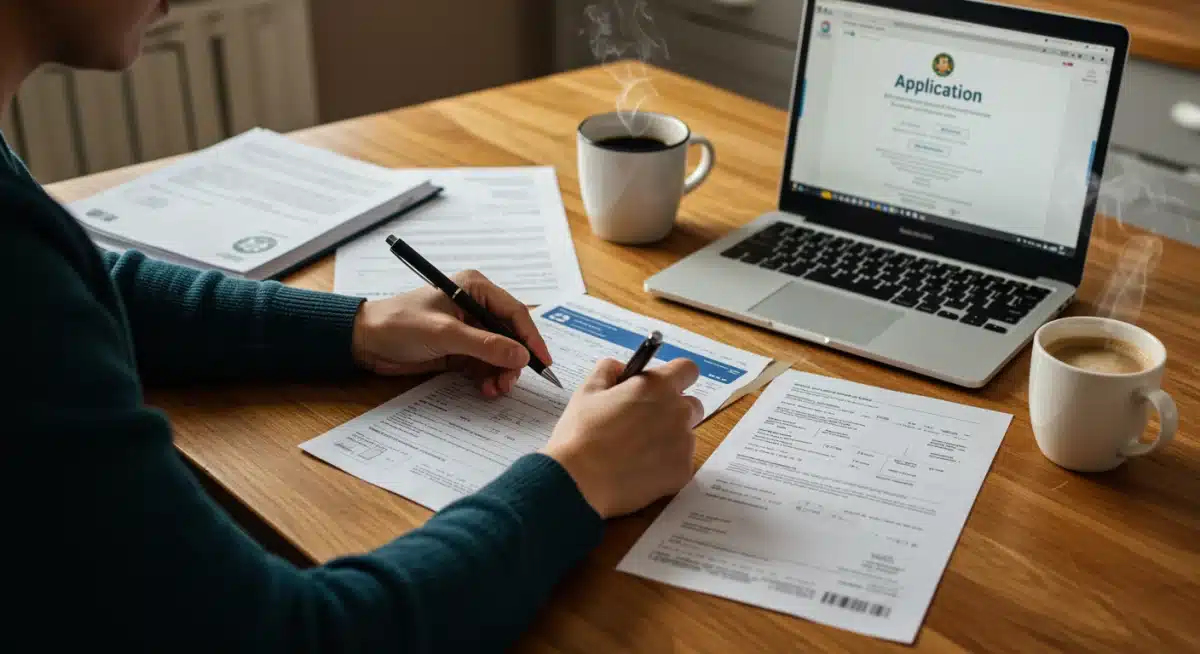
Step 3: Complete and Submit Your LIHEAP 2026 Application
Most agencies offer multiple ways to apply: online, by mail, or in person. Online applications are often the quickest and most convenient. If applying in person, be prepared for a potential interview and bring all your original documents. Always make copies of your submitted application and all supporting documents for your records.
Step 4: Follow Up
After submitting your LIHEAP 2026 application, it’s wise to follow up with the agency within a few weeks if you haven’t heard back. Inquire about the status of your application and if any additional information is needed. Processing times can vary depending on the volume of applications.
Maximizing Your LIHEAP Benefits and Beyond
While LIHEAP provides essential support, it’s also important to explore other avenues for energy savings and to understand how to best utilize the assistance you receive.
Understanding Benefit Amounts
The amount of assistance you receive from LIHEAP can vary widely based on your income, household size, energy costs, and the availability of funds in your state. It’s not a fixed amount for everyone. Some states might offer a one-time payment, while others provide assistance over several months. The average reduction of 25% in winter bills is a significant help, but your specific benefit will be determined by your local agency.
Additional Programs and Resources
Many states and local agencies offer complementary programs that can further reduce your energy burden. These might include:
- Weatherization Assistance Program (WAP): This program helps low-income households improve their homes’ energy efficiency through measures like insulation, weather-stripping, and minor repairs, leading to long-term savings.
- Utility Company Assistance Programs: Many utility providers have their own assistance programs, payment plans, or energy efficiency audits for customers. Contact your utility company directly to inquire.
- Energy Crisis Intervention: If you’re facing a shut-off notice or have run out of heating fuel, LIHEAP often has a crisis component that can provide immediate assistance.
- Budget Billing Plans: Some utility companies offer budget billing, which averages your energy costs over the year, resulting in more predictable monthly payments.
Tips for Energy Conservation
Even with assistance, practicing energy conservation is key to managing your bills. Simple changes can lead to significant savings:
- Thermostat Management: Lower your thermostat a few degrees in winter, especially when you’re away or asleep. Each degree can save you 1-3% on heating costs.
- Seal Drafts: Use caulk or weather-stripping to seal leaks around windows and doors.
- Insulate: Ensure your attic and walls are properly insulated.
- Maintain Heating Systems: Get your furnace or boiler serviced annually to ensure it runs efficiently.
- Unplug Electronics: “Phantom load” from unplugged electronics can add up.
- Use Natural Light: Open curtains during the day to let in sunlight for warmth.
Common Questions About LIHEAP 2026 Application
Here are answers to some frequently asked questions that can help you with your LIHEAP 2026 application:
Q: Can undocumented immigrants apply for LIHEAP?
A: Generally, no. LIHEAP is a federally funded program, and applicants typically need to be U.S. citizens or qualified aliens. However, eligibility requirements can vary by state, so it’s always best to check with your local agency.
Q: What if my application is denied?
A: If your LIHEAP 2026 application is denied, you have the right to appeal the decision. The denial letter should provide instructions on how to do so. It’s important to understand the reason for denial and provide any missing information or clarification during the appeal process.
Q: Does LIHEAP cover cooling costs in the summer?
A: Yes, many states offer a cooling component of LIHEAP, especially in regions where extreme heat poses a health risk. The availability and application periods for cooling assistance are separate from heating assistance, so you’ll need to check with your local agency for details.
Q: How long does it take to receive benefits after approval?
A: Processing times vary by state and local agency, as well as the time of year. During peak application periods (e.g., fall for winter heating), it might take longer. Your local agency should be able to provide an estimated timeline. Benefits are typically paid directly to your utility company or fuel vendor.
Q: Can I apply for LIHEAP if I rent and my utilities are included in my rent?
A: In some cases, yes. If your rent includes a portion for utilities, and you can demonstrate that you contribute to the energy costs, you might still be eligible. You would likely need a statement from your landlord confirming this arrangement. Check with your local LIHEAP office for specific guidance.
Q: Are LIHEAP benefits taxable?
A: No, LIHEAP benefits are generally not considered taxable income. They are considered welfare or public assistance payments, which are typically exempt from federal income tax. However, it’s always a good idea to consult with a tax professional if you have specific concerns.
Q: What if I have an energy crisis, like a shut-off notice?
A: LIHEAP often has an emergency or crisis component designed to provide expedited assistance in situations where a household is facing a utility shut-off, has run out of heating fuel, or is in danger due to extreme temperatures. Contact your local LIHEAP office immediately if you are in an energy crisis. They may be able to fast-track your LIHEAP 2026 application for crisis assistance.
Q: Can I apply for LIHEAP if I receive other government benefits?
A: Yes, receiving other government benefits such as SNAP (food stamps), SSI, or TANF does not automatically disqualify you from LIHEAP. In fact, in some states, receiving these benefits can make the LIHEAP application process simpler, as it may serve as categorical eligibility for income verification. However, you will still need to meet all other LIHEAP eligibility criteria.
Q: What is the difference between LIHEAP and weatherization assistance?
A: LIHEAP provides direct financial assistance to help cover immediate energy costs. The Weatherization Assistance Program (WAP), while related, focuses on long-term energy savings by making energy-efficiency improvements to homes. Some households may be eligible for both programs, and applying for one does not preclude you from applying for the other.
The Importance of Timely Application for LIHEAP 2026
Given that LIHEAP funds are limited and allocated on a first-come, first-served basis in many areas, the importance of a timely LIHEAP 2026 application cannot be overstated. Waiting until the coldest months or until you receive a shut-off notice can mean that funds have been depleted or that processing times are longer, potentially leaving you without the immediate assistance you need.
By starting your research early, gathering your documents, and submitting your LIHEAP 2026 application as soon as the window opens in your state, you significantly increase your chances of receiving assistance. This proactive approach not only secures your benefits but also provides peace of mind, knowing that you have a plan in place to manage your winter energy expenses.
Conclusion: Empowering Your Household with LIHEAP 2026
The Low Income Home Energy Assistance Program is a critical resource for millions of Americans, providing a lifeline against the financial strain of high energy costs. As we prepare for winter 2026, understanding the eligibility requirements, knowing when and how to apply, and being aware of complementary programs are all essential steps in securing the assistance you need.
Don’t let the fear of winter utility bills weigh you down. Take action now to research your local LIHEAP agency, gather your documents, and prepare your LIHEAP 2026 application. By doing so, you can ensure your household remains warm, safe, and comfortable throughout the colder months, reducing your energy burden and allowing you to focus on what truly matters. Remember, an average reduction of 25% on winter bills is within reach – but only if you apply!
Stay informed, stay proactive, and make the LIHEAP 2026 application a priority for your household’s financial well-being.