Federal Work-Study 2026: Earn Up to $3,000 While Studying in the US
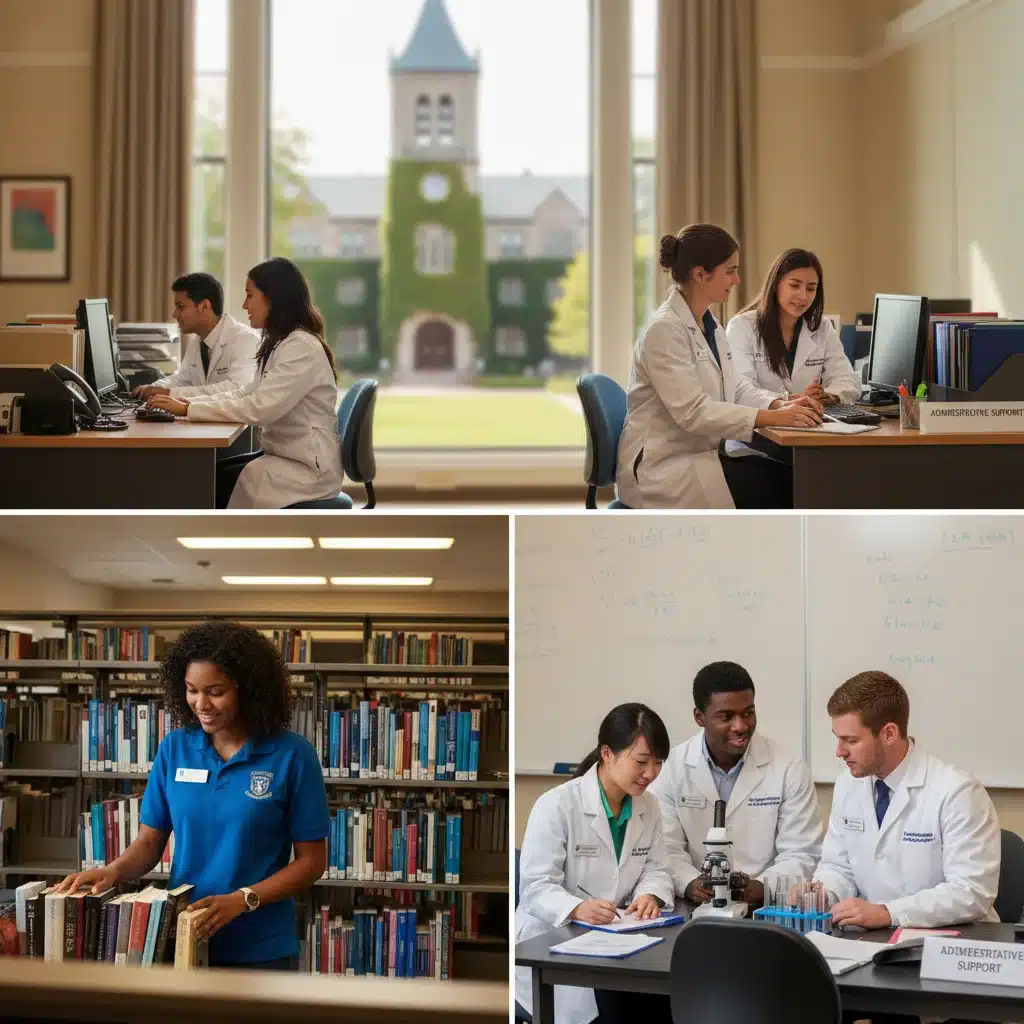
Navigating the costs of higher education in the United States can be a daunting challenge for many students and their families. Tuition fees, living expenses, books, and other necessities can quickly add up, making a college degree seem out of reach for some. Fortunately, various financial aid programs exist to alleviate this burden, and among the most impactful is the Federal Work-Study (FWS) Program. As we look ahead to 2026, understanding the nuances of the Federal Work-Study 2026 program is crucial for prospective and current students aiming to finance their education while gaining valuable work experience.
The Federal Work-Study program is a federally funded initiative that provides part-time jobs for undergraduate and graduate students with financial need, allowing them to earn money to help pay for educational expenses. This isn’t just about earning a paycheck; it’s about gaining practical skills, building professional networks, and contributing to the community, all while balancing academic responsibilities. For 2026, the program continues its mission to support students, offering an opportunity to earn up to $3,000 annually, though actual earnings can vary based on the student’s financial need, the institution’s funding, and the number of hours worked.
What is Federal Work-Study and How Does it Operate in 2026?
At its core, Federal Work-Study is a financial aid program that encourages students to earn money to pay for their education. Unlike grants or scholarships, which are essentially free money, FWS requires students to work for the funds they receive. However, unlike traditional employment, FWS jobs are typically structured to accommodate a student’s academic schedule, ensuring that their studies remain the priority.
For Federal Work-Study 2026, the operational framework remains largely consistent with previous years, albeit with potential adjustments in funding levels or specific institutional policies. The program is administered by participating colleges and universities, which receive federal funds to pay a portion of students’ wages. The institution or employer typically covers the remaining portion. This partnership makes it financially feasible for employers, both on-campus and off-campus, to hire students.
Students who qualify for FWS are offered various job opportunities, which can range from clerical work in university departments, research assistant positions, library roles, to community service jobs with non-profit organizations. The types of jobs available are diverse and often align with students’ fields of study or career interests, providing relevant experience that can be invaluable after graduation.
Eligibility Requirements for Federal Work-Study 2026
To be eligible for Federal Work-Study 2026, students must meet several key criteria:
- Financial Need: This is the primary determinant. Eligibility is based on the information provided in the Free Application for Federal Student Aid (FAFSA). The Expected Family Contribution (EFC), now replaced by the Student Aid Index (SAI) for the 2024-2025 award year and beyond, plays a significant role in determining a student’s financial need.
- Enrollment Status: Students must be enrolled at least half-time in an eligible degree or certificate program at a participating institution.
- Satisfactory Academic Progress (SAP): Students must maintain satisfactory academic progress as defined by their institution. This typically involves maintaining a certain GPA and completing a minimum number of credits each semester.
- U.S. Citizenship or Eligible Non-citizen: Applicants must be U.S. citizens or eligible non-citizens.
- Valid Social Security Number: With some exceptions for students from the Republic of the Marshall Islands, Federated States of Micronesia, or the Republic of Palau.
- High School Diploma or GED: Students must have a high school diploma or a General Education Development (GED) certificate, or have completed homeschooling.
How to Apply for Federal Work-Study 2026
The application process for Federal Work-Study 2026 begins with the FAFSA. Here’s a step-by-step guide:
- Complete the FAFSA: This is the most critical step. The FAFSA collects information about your financial situation to determine your eligibility for various federal student aid programs, including FWS. Be sure to complete it as early as possible, as some aid is awarded on a first-come, first-served basis. For the 2026-2027 academic year, the FAFSA typically becomes available on October 1st, 2025.
- Indicate Interest in Work-Study: On the FAFSA, there will be a question asking if you are interested in Federal Work-Study. Make sure to answer ‘Yes’ to this question.
- Receive Your Financial Aid Offer: After your FAFSA is processed and you’ve been accepted into a college, the school’s financial aid office will send you an award letter. This letter will detail your financial aid package, which may include Federal Work-Study elegibility.
- Accept the Offer: If you are offered FWS, you must formally accept it through your school’s financial aid portal or by following the instructions provided in your award letter.
- Search for Jobs: Once you’ve accepted FWS, your school’s financial aid office or career services department will provide information on available job openings. These jobs are often listed on campus job boards, specific work-study portals, or through direct departmental outreach.
- Apply and Interview: Apply for positions that interest you and for which you are qualified. You will likely go through an interview process, just like any other job.

Benefits of Participating in Federal Work-Study 2026
The advantages of participating in Federal Work-Study 2026 extend far beyond just earning money. This program offers a holistic approach to student support, integrating financial assistance with professional development and academic enhancement.
Financial Relief and Budgeting Skills
The most immediate benefit is, of course, financial. Earning up to $3,000 annually (and sometimes more, depending on the institution and student’s need) can significantly offset the cost of attendance. This income can be used for tuition, books, supplies, living expenses, or even personal spending, reducing the need for student loans. Moreover, managing a regular paycheck and budgeting for expenses instills crucial financial literacy skills that are beneficial for life beyond college.
Valuable Work Experience and Skill Development
FWS jobs are not just about making ends meet; they are opportunities to gain real-world experience. Whether working in an academic department, an administrative office, a research lab, or a community organization, students develop transferable skills such as communication, teamwork, time management, problem-solving, and professional conduct. These skills are highly valued by future employers and can give FWS participants a competitive edge in the job market.
Many FWS positions are directly related to a student’s major or career aspirations, offering hands-on experience that complements classroom learning. For example, a biology student might work in a lab, a journalism student might assist in the university’s communications office, or an education major might tutor local schoolchildren. This practical application of academic knowledge deepens understanding and clarifies career paths.
Networking Opportunities
Working on campus or with community partners provides an excellent opportunity to network with faculty, staff, administrators, and professionals in various fields. These connections can lead to mentorship, letters of recommendation, internships, and even future job opportunities. Building a professional network during college is an invaluable asset that can significantly impact a student’s post-graduation career trajectory.
Improved Academic Performance
Contrary to the belief that working might detract from studies, research often suggests that students who work part-time, especially in programs like FWS, tend to have better academic outcomes. The structured nature of FWS jobs, coupled with the need to balance work and studies, can foster better time management skills and a stronger sense of responsibility. Furthermore, the financial stability provided by FWS can reduce stress, allowing students to focus more effectively on their academics.
Community Engagement and Civic Responsibility
A significant portion of Federal Work-Study 2026 funds is dedicated to community service positions. These jobs allow students to contribute positively to their local or broader community, addressing societal needs and developing a sense of civic responsibility. This can include tutoring disadvantaged youth, assisting at food banks, working with environmental organizations, or supporting local government initiatives. Such experiences are personally enriching and demonstrate a commitment to social impact, which is increasingly valued by employers and graduate schools.
Types of Federal Work-Study Jobs in 2026
The variety of FWS jobs available varies by institution, but generally falls into a few broad categories:
- On-Campus Jobs: These are the most common and include positions in administrative offices, libraries, cafeterias, residence halls, athletic departments, academic departments (as research assistants or tutors), and campus facilities.
- Off-Campus Jobs: Many institutions partner with non-profit organizations or public agencies to offer off-campus FWS positions. These roles often involve community service, such as tutoring, mentoring, assisting in healthcare facilities, or working with environmental groups.
- Jobs Related to Major/Career: While not all FWS jobs are directly related to a student’s field of study, many are designed to provide relevant experience. Students are encouraged to seek out positions that align with their academic and career goals to maximize the benefit.
For Federal Work-Study 2026, schools will continue to prioritize jobs that are educationally relevant and provide meaningful work experience, helping students prepare for their future careers.
Maximizing Your Federal Work-Study 2026 Experience
To get the most out of your Federal Work-Study opportunity, consider the following tips:
- Apply Early: As mentioned, FAFSA submission deadlines are crucial. The earlier you apply, the better your chances of securing FWS funds.
- Communicate with Financial Aid: If you have questions about your eligibility, award amount, or job search, don’t hesitate to contact your school’s financial aid office.
- Choose Wisely: When selecting a job, consider not only the pay but also how the experience aligns with your academic and career goals. A job that provides relevant experience can be more valuable in the long run.
- Balance Work and Academics: FWS jobs are designed to be flexible, but it’s up to you to manage your time effectively. Prioritize your studies and communicate with your supervisor if you need to adjust your schedule, especially during busy academic periods.
- Network: Make an effort to build relationships with your supervisors and colleagues. These connections can be beneficial for future references, advice, and opportunities.
- Track Your Earnings: Keep an eye on your earnings to ensure you don’t exceed your FWS award limit. Your financial aid office can provide guidance on this.
Potential Changes and Considerations for 2026
While the core structure of Federal Work-Study is expected to remain stable, there could be minor adjustments or considerations for Federal Work-Study 2026:
- FAFSA Simplification Act Impact: The FAFSA Simplification Act, which began implementation for the 2024-2025 award year, introduces changes to how financial need is calculated (e.g., replacing EFC with SAI) and expands eligibility for federal student aid. These changes may broaden the pool of students eligible for FWS in 2026.
- Funding Levels: Federal funding for the FWS program can fluctuate based on congressional appropriations. While generally stable, significant shifts could impact the number of students institutions can support or the average award amounts. Keep an eye on announcements from the U.S. Department of Education.
- Institutional Priorities: Each college and university has discretion in how it allocates its FWS funds and what types of jobs it prioritizes. Some institutions might focus more on community service, while others might emphasize on-campus employment in specific departments.
- Economic Conditions: Broader economic conditions can influence the job market and the availability of both on-campus and off-campus positions. However, FWS jobs are often more stable due to their federal funding.

Understanding Your Federal Work-Study Award
When you receive an FWS award, it’s important to understand what it entails. The amount listed on your financial aid offer is the maximum you can earn through the program for that academic year. It’s not a guarantee of that exact amount, but rather a ceiling. Your actual earnings will depend on the hourly wage of your job and the number of hours you work. For Federal Work-Study 2026, the maximum earnings could be around $3,000, but again, this is an average and can vary.
Your wages will typically be paid directly to you, usually on a bi-weekly or monthly basis, similar to a regular paycheck. This money is intended to help you cover your educational and living expenses. Unlike some other forms of financial aid, FWS earnings are not applied directly to your tuition bill unless you specifically authorize it or your school has a particular arrangement. This direct payment gives students more control over how they manage their funds.
What if I don’t use all my Federal Work-Study funds?
If you don’t work enough hours to earn the full amount of your FWS award, the unused portion does not carry over to the next year and is not converted into a grant or loan. It simply means you didn’t earn the maximum amount offered. This highlights the importance of actively seeking and maintaining a work-study job if you wish to utilize the full benefit of the program.
What if I earn more than my Federal Work-Study award?
Federal regulations stipulate that students cannot earn more than their awarded FWS amount. Your employer and the financial aid office will monitor your earnings to ensure you do not exceed this limit. Once you reach your maximum award, you will typically stop working or transition to a non-FWS funded position, if available and if your employer agrees.
Federal Work-Study vs. Other Student Employment Options
It’s important to distinguish Federal Work-Study from other types of student employment. Many colleges offer institutional student jobs that are funded solely by the university, without federal contributions. While these jobs also provide income and experience, they are not based on financial need in the same way FWS is, and the hiring process and pay rates might differ.
Additionally, some students choose to work off-campus in non-FWS jobs. While this is a viable option for earning money, FWS often provides more flexibility with academic schedules, typically higher pay rates than minimum wage, and positions that are often more relevant to academic or career goals. The security and structured environment of FWS jobs can also be a significant advantage.
The Long-Term Impact of Federal Work-Study
Participating in Federal Work-Study 2026 can have a lasting positive impact on a student’s life. Beyond the immediate financial relief, the program fosters a sense of responsibility, independence, and professional readiness. Students learn how to navigate a professional environment, manage their time between work and studies, and contribute meaningfully to an organization. These are all critical life skills that prepare them for successful careers and responsible citizenship.
The exposure to various fields and the opportunity to work alongside professionals can also be instrumental in career exploration and decision-making. Many FWS alumni report that their work-study experiences helped them clarify their career goals, secure internships, and even land their first post-graduation jobs due to the relevant experience and networking contacts they gained.
Conclusion
For students in the United States seeking to fund their higher education, the Federal Work-Study 2026 program represents a vital resource. It’s more than just a job; it’s an integrated financial aid solution that supports academic success, professional development, and community engagement. By understanding the eligibility criteria, actively completing the FAFSA, and diligently seeking out suitable positions, students can leverage FWS to earn up to $3,000 annually, reduce their reliance on loans, and gain invaluable experience that will serve them well long after graduation.
As you plan for your educational journey in 2026 and beyond, make sure to explore Federal Work-Study as a cornerstone of your financial aid strategy. It’s an investment in your present financial well-being and your future career success.