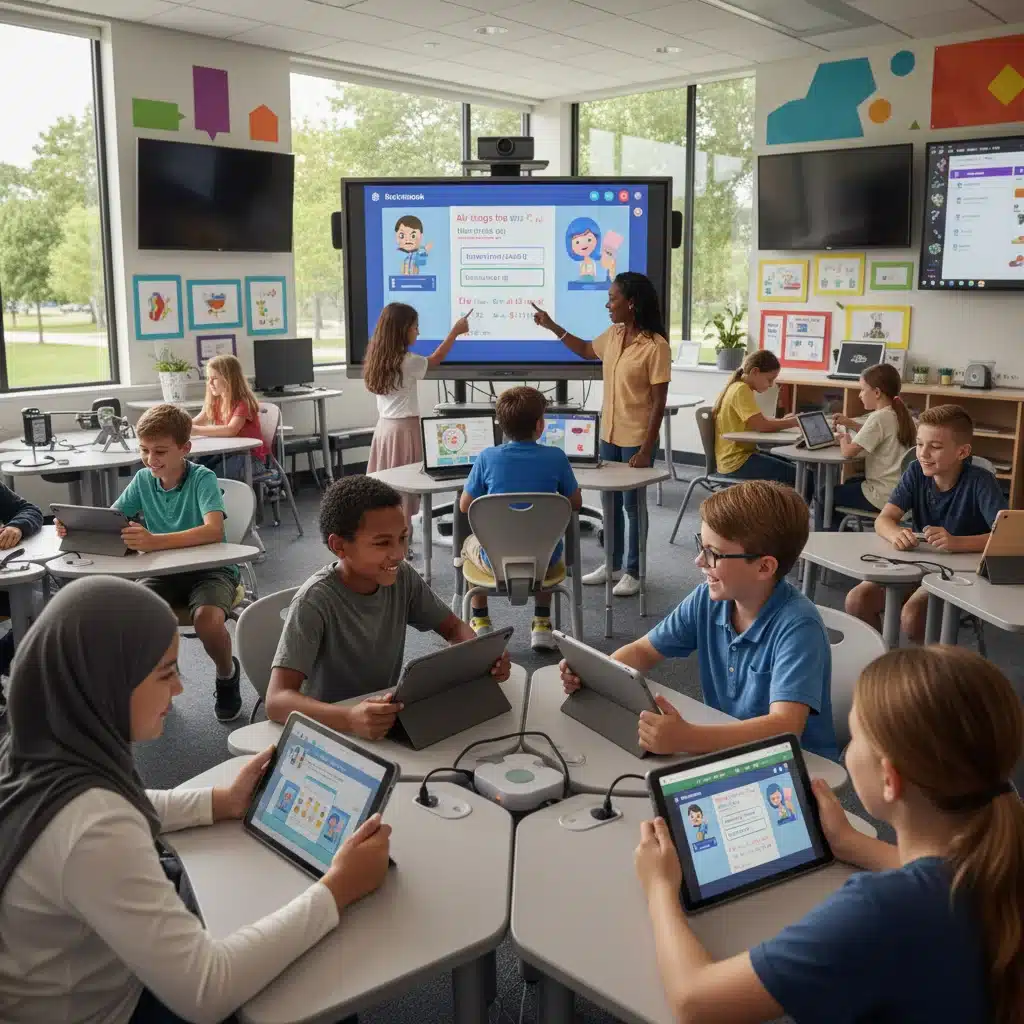
Are you a high school student in the United States looking for an edge in your academic journey? Do you dream of getting a head start on your college education, saving money, and graduating earlier? If so, then early college programs might be exactly what you need. As we approach 2026, the landscape of higher education continues to evolve, and these programs are becoming increasingly popular for their numerous benefits. This comprehensive guide will walk you through everything you need to know about early college programs, focusing on how you can earn up to 30 college credits while still in high school.
The decision to pursue an early college program is significant, offering a unique blend of high school and college experiences. It’s not just about earning credits; it’s about intellectual growth, exposure to advanced subjects, and developing a mature approach to learning. By understanding the intricacies of these programs, you can make an informed choice that aligns with your academic and career aspirations for 2026 and beyond.
What Are Early College Programs?
Early college programs are initiatives designed to allow high school students to earn college credits, or even an associate’s degree, concurrently with their high school diploma. These programs bridge the gap between secondary and post-secondary education, providing a rigorous academic experience that prepares students for the demands of college life. While the term ‘early college’ is often used broadly, it encompasses several distinct models, each with its own structure and benefits.
Types of Early College Programs
Understanding the different types of early college programs is crucial for choosing the right path. Here are the most common models:
- Dual Enrollment: This is perhaps the most common form of early college. High school students enroll in college courses, often taught at their high school, a local college campus, or online. The credits earned count towards both their high school diploma and their future college degree. Dual enrollment offers flexibility and can be a great way to test the waters of college-level work without fully committing to a separate program.
- Early College High Schools (ECHS): These are distinct high schools that are typically located on a college campus or have a strong partnership with a higher education institution. Students attend these schools full-time, taking a curriculum that integrates high school and college courses. The goal is for students to graduate with both a high school diploma and an associate’s degree or significant college credits (often 60 or more).
- Concurrent Enrollment: Similar to dual enrollment, but often refers to courses taught by college-approved high school teachers at the high school site. The curriculum and standards are set by the college, ensuring college-level rigor.
- Advanced Placement (AP) and International Baccalaureate (IB) Programs: While not strictly ‘early college’ in the same vein as dual enrollment or ECHS, AP and IB programs offer college-level curricula and examinations. Students can earn college credit by achieving qualifying scores on AP exams or by completing the IB Diploma Programme. These are widely recognized and can provide a significant number of credits.
Why Consider Early College Programs for 2026?
The benefits of participating in early college programs are multifaceted, impacting academic, financial, and personal growth. For students looking towards 2026, these advantages can provide a significant competitive edge.
Academic Advantages
- Earning College Credits Early: The most obvious benefit is the ability to accumulate college credits before even stepping foot on a university campus. Earning up to 30 college credits can mean entering college as a sophomore, potentially shaving a year off your bachelor’s degree program.
- Exposure to College-Level Rigor: Early college programs expose students to the academic demands, pace, and expectations of higher education. This experience helps students develop stronger study habits, critical thinking skills, and time management abilities, making the transition to full-time college much smoother.
- Exploring Academic Interests: These programs offer the opportunity to explore various subjects and potential majors in a college setting. This can help students solidify their academic interests or discover new passions, guiding their future educational and career choices.
- Improved College Readiness: Students who participate in early college programs often demonstrate higher rates of college enrollment, persistence, and completion. They are better prepared for the academic and social challenges of college life.
Financial Savings
One of the most compelling reasons for many families to consider early college programs is the significant financial savings.
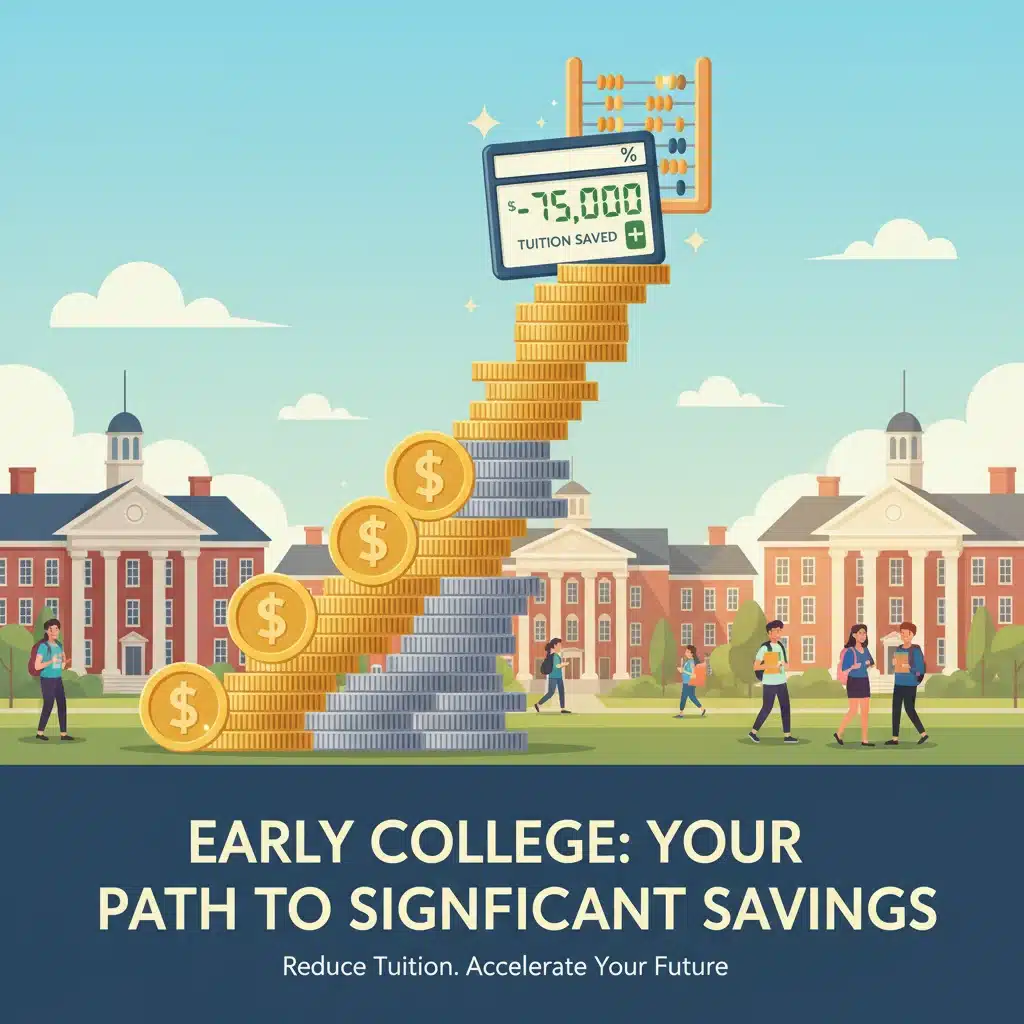
- Reduced Tuition Costs: Credits earned through dual enrollment or early college high schools are often offered at a reduced rate or even free, depending on the state and institution. This can translate into thousands of dollars saved on future college tuition.
- Faster Degree Completion: By entering college with a substantial number of credits, students can potentially graduate in three years instead of four, saving an entire year’s worth of tuition, housing, and other expenses.
- Lower Student Loan Debt: The cumulative effect of reduced tuition and faster graduation can significantly lower the amount of student loan debt a student might accrue, providing a stronger financial footing post-graduation.
Personal and Social Development
- Increased Confidence: Successfully navigating college-level coursework builds confidence and a sense of accomplishment, empowering students for future academic and professional endeavors.
- Maturity and Independence: Engaging with college faculty and peers, managing a more demanding workload, and taking responsibility for their own learning fosters greater maturity and independence.
- Competitive College Applications: Having college credits or an associate’s degree on a high school transcript can make a college application stand out. It signals to admissions committees that the student is academically prepared, motivated, and capable of handling rigorous coursework.

How to Earn Up to 30 College Credits by 2026
Earning a significant number of college credits through early college programs requires strategic planning and dedication. Here’s a breakdown of how you can achieve this goal by 2026:
Start Early and Plan Ahead
- Eighth or Ninth Grade: Begin researching early college options as early as eighth or ninth grade. Some programs have specific entry requirements or application timelines. Understanding these early can give you a significant advantage.
- Counselor Consultation: Work closely with your high school guidance counselor. They can provide information on available programs, eligibility criteria, and help you create an academic plan that incorporates early college courses.
- Research Local Colleges: Investigate community colleges and universities in your area. Many have partnerships with local high schools or offer dual enrollment opportunities directly to students.
Maximize Dual Enrollment and Concurrent Enrollment
These are often the most accessible routes to earning college credits. Many students can comfortably take 1-2 college courses per semester without overwhelming their high school schedule.
- Course Load Management: Aim for 3-6 college credits per semester. Over four years of high school (or even just junior and senior years), this can quickly add up. For example, taking two 3-credit courses each semester for four semesters (junior and senior year) totals 24 credits. Adding a summer course or two could easily get you to 30 credits or more.
- Online Options: Many colleges offer online dual enrollment courses, providing flexibility for students with busy schedules or limited access to physical campuses.
- Focus on General Education: Prioritize general education requirements (e.g., English composition, introductory math, science, history). These courses are typically transferable to most four-year universities and are foundational to almost any degree.
Leverage AP and IB Programs
While distinct, AP and IB can significantly contribute to your credit count.
- Strategic AP Course Selection: If your high school offers AP courses, select subjects you excel in and are genuinely interested in. Aim for scores of 3, 4, or 5 on the AP exams, as these are typically required for college credit. Taking 4-6 AP courses over your high school career, with successful exam scores, can yield 12-18+ credits.
- IB Diploma Programme: If your school offers the IB program, pursuing the full diploma can result in a substantial number of college credits, recognized by universities worldwide.
Consider Early College High Schools
If an ECHS is an option in your district, it’s a direct path to accumulating a large number of credits, often an associate’s degree.
- Full Immersion: ECHS models are designed for students to earn up to 60 college credits, equating to an associate’s degree. This is the most intensive but also the most rewarding for credit accumulation.
- Application Process: ECHS programs typically have a separate application process, often competitive, so research deadlines and requirements early.
Key Considerations and Challenges
While early college programs offer significant advantages, it’s important to be aware of potential challenges and make informed decisions.
Academic Rigor and Workload
- Increased Difficulty: College courses are generally more demanding than high school courses. They require more independent study, critical thinking, and often have less frequent assignments but higher stakes for each one.
- Time Management: Balancing high school commitments (extracurriculars, social life, other coursework) with college-level studies requires excellent time management skills.
- Potential for Overwhelm: Students who take on too many college courses too soon may experience burnout or struggle academically. It’s crucial to assess your capacity realistically.
Transferability of Credits
This is a critical aspect to research thoroughly.
- General Education vs. Major-Specific: General education credits (e.g., English, Math, basic sciences) are generally more transferable than major-specific courses, especially if you haven’t decided on a major.
- Articulation Agreements: Check if the community college or university offering the early college courses has articulation agreements with the four-year institutions you are considering. These agreements guarantee that credits will transfer.
- Target University Policies: Always verify the credit transfer policies of your target universities. Some institutions have limits on the number of credits they will accept from dual enrollment or AP/IB, or specific grade requirements. A ‘C’ in a college course might not transfer, even if it’s a passing grade.
Social and Developmental Aspects
- Missing Out on High School Experiences: For some students, dedicating significant time to college courses might mean missing out on certain traditional high school activities or social events.
- Maturity Gap: While beneficial for growth, being in a college classroom with older students can sometimes present a maturity gap. Students need to be comfortable in this environment.
Finding the Right Early College Program for You in 2026
The process of finding and applying to the right early college program requires careful research and self-assessment.
Self-Assessment: Is Early College Right for You?
- Academic Readiness: Are you consistently earning high grades in challenging high school courses? Do you enjoy intellectual challenges?
- Motivation and Discipline: Are you self-motivated and disciplined enough to handle a more independent learning environment?
- Time Management Skills: Can you effectively balance multiple academic and personal commitments?
- Maturity: Are you comfortable interacting with college professors and older students?
Steps to Finding and Applying to Programs
- Consult Your School Counselor: This is your first and most important resource. Your counselor will know about local early college opportunities, application processes, and eligibility.
- Research Local Colleges and Universities: Visit the websites of community colleges and four-year institutions in your area. Look for sections on ‘Dual Enrollment,’ ‘Early College,’ or ‘High School Programs.’
- Attend Information Sessions: Many colleges and high schools host information nights or webinars about their early college offerings. These are excellent opportunities to ask questions and gather details.
- Understand Eligibility Requirements: Requirements often include a minimum GPA, specific course prerequisites, and sometimes placement tests (e.g., ACCUPLACER, SAT/ACT scores).
- Application Process: Be prepared for an application that may include transcripts, letters of recommendation, essays, and parental consent. Pay close attention to deadlines for 2026 enrollment.
- Financial Aid and Cost: Inquire about any associated costs, even if tuition is waived. There might be fees for books, technology, or transportation. Some programs offer financial assistance.
Success Strategies for Early College Students
Once you’re enrolled in an early college program, adopting effective strategies can ensure your success and maximize the benefits.
Academic Strategies
- Active Participation: Engage in class discussions, ask questions, and participate in group activities. This deepens understanding and builds rapport with professors.
- Utilize College Resources: Take advantage of academic support services like tutoring centers, writing labs, and library resources. These are designed to help students succeed.
- Time Management: Develop a strict study schedule and stick to it. Prioritize assignments and allocate sufficient time for complex topics.
- Proactive Communication: If you’re struggling, communicate with your professors early. They are often willing to provide guidance and support.
- Stay Organized: Keep track of syllabi, assignments, and deadlines for both your high school and college courses.
Balancing High School Life
- Prioritize: Understand that you may need to make choices about extracurricular activities or social events. It’s about finding a balance that works for you.
- Maintain Connections: Don’t completely disengage from your high school friends and activities. A healthy social life is important for overall well-being.
- Self-Care: Ensure you’re getting enough sleep, eating well, and taking breaks to avoid burnout.
Future Outlook for Early College Programs in 2026
The trend towards early college programs is expected to continue growing in popularity and accessibility by 2026. As the cost of higher education rises and the demand for skilled workers increases, these programs offer a practical solution for both students and educational institutions.
- Increased Accessibility: More states and districts are recognizing the value of early college, leading to expanded program offerings, particularly in underserved communities.
- Online and Hybrid Models: The growth of online learning will likely make early college programs even more flexible and accessible to a wider range of students, regardless of their geographical location.
- Specialized Pathways: Expect to see more specialized early college pathways focused on high-demand fields like STEM, healthcare, and trades, providing students with a direct pipeline to specific career paths.
- Policy Support: Continued legislative support and funding for dual enrollment and early college initiatives at both state and federal levels will further solidify their place in the educational landscape.
Conclusion: Your Path to an Accelerated Future
Early college programs represent a powerful opportunity for ambitious high school students in the US to accelerate their academic journey, gain valuable college experience, and save significant financial resources. By 2026, earning up to 30 college credits before you even receive your high school diploma will be a testament to your foresight and dedication.
Whether you choose the flexibility of dual enrollment, the immersive experience of an Early College High School, or the rigor of AP/IB, the key is careful planning, self-assessment, and proactive engagement. Consult with your guidance counselor, research local options, and understand the commitment involved. The path to an earlier, more affordable, and more prepared college experience starts now. Embrace the opportunity to build a strong foundation for your future and step into college with confidence and a substantial head start.