EPA Emissions Standards 2026: Navigating Compliance Deadlines
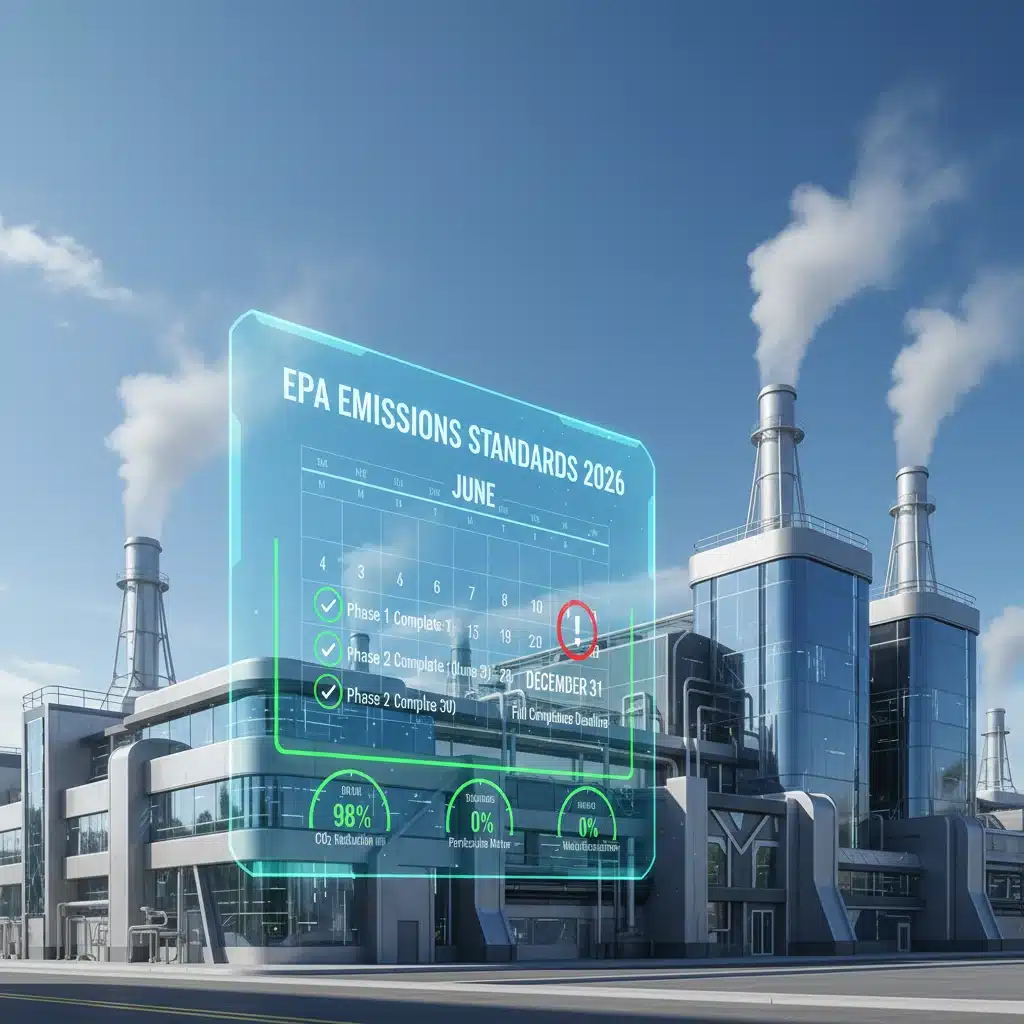
The Environmental Protection Agency (EPA) has once again taken a decisive step towards a cleaner, more sustainable future by unveiling a new set of stricter emissions standards. These regulations, with critical compliance deadlines set for 2026, represent a significant shift in environmental policy, impacting a broad spectrum of industries from manufacturing and energy to transportation and agriculture. For businesses across the nation, understanding and preparing for these changes isn’t just about regulatory adherence; it’s about safeguarding operations, fostering innovation, and contributing to a healthier planet.
The urgency of addressing climate change and improving air quality has never been more apparent. As scientific consensus on environmental degradation solidifies, so too does the imperative for robust legislative action. The EPA’s latest initiative, focusing on EPA Emissions 2026, is a direct response to these global challenges, designed to curb harmful pollutants, reduce greenhouse gas emissions, and promote the adoption of cleaner technologies. This comprehensive guide will delve into the intricacies of these new standards, explore their implications for various sectors, and provide actionable strategies to ensure your business is not only compliant but also positioned for long-term success in a rapidly evolving regulatory landscape.
The announcement of these new standards has naturally generated considerable discussion and, for some, apprehension. Businesses are grappling with questions about technological upgrades, financial investments, operational adjustments, and the overall feasibility of meeting these stringent requirements within the stipulated timelines. This article aims to demystify the new EPA regulations, offering clarity on what they entail, who they affect, and how best to navigate the path to compliance. We will explore the specific pollutants targeted, the sectors most impacted, and the various pathways available for businesses to achieve and maintain compliance.
Beyond mere compliance, these new standards also present an opportunity for forward-thinking businesses to differentiate themselves, enhance their brand reputation, and potentially unlock new market opportunities in the green economy. Embracing sustainable practices and investing in eco-friendly technologies can lead to operational efficiencies, cost savings in the long run, and a stronger competitive edge. As we move closer to the 2026 deadline, proactive engagement with these regulations will be paramount.
Understanding the New EPA Emissions 2026 Standards
The core of the new EPA regulations revolves around a multifaceted approach to reducing air pollution. While the specifics can vary by industry and pollutant, the overarching goal is to significantly lower emissions of criteria pollutants (such as particulate matter, ozone, carbon monoxide, sulfur dioxide, and nitrogen oxides) and greenhouse gases. These standards are not merely incremental adjustments; they represent a substantial tightening of existing limits and the introduction of new requirements for previously less regulated sources.
One of the key drivers behind these stricter standards is the ongoing scientific research demonstrating the profound impacts of air pollution on public health and the environment. From respiratory illnesses and cardiovascular diseases to ecosystem damage and climate disruption, the costs of unchecked emissions are staggering. The EPA’s 2026 initiative seeks to mitigate these costs by fostering a cleaner atmospheric environment.
Key Pollutants and Targeted Industries
The new regulations for EPA Emissions 2026 are particularly focused on several critical pollutants. Greenhouse gases, including carbon dioxide (CO2), methane (CH4), and nitrous oxide (N2O), are high on the agenda due to their significant contribution to climate change. Industries with large carbon footprints, such as power generation, heavy manufacturing, and oil and gas, will face intensified scrutiny and stricter limits.
Beyond greenhouse gases, the EPA is also targeting conventional air pollutants that directly impact local air quality and public health. This includes particulate matter (PM2.5), a microscopic pollutant linked to respiratory and cardiovascular problems, and ozone precursors like nitrogen oxides (NOx) and volatile organic compounds (VOCs). Industries involved in combustion processes, chemical manufacturing, and transportation will need to assess their current emission levels against these new benchmarks.
The transportation sector, a major contributor to air pollution, is expected to see significant changes. This could include more stringent standards for vehicle emissions, promoting the adoption of electric vehicles (EVs), and encouraging the development of cleaner fuels. Similarly, industrial facilities will likely face mandates for upgrading their pollution control technologies, optimizing processes, and potentially transitioning to renewable energy sources.
Technological Advancements and Best Available Control Technologies (BACT)
A central tenet of the EPA’s approach is the promotion and adoption of Best Available Control Technologies (BACT). These technologies represent the most effective and economically feasible methods for controlling emissions. For businesses, this often means investing in state-of-the-art scrubbers, catalytic converters, advanced filtration systems, and process optimization techniques. The EPA’s push for BACT ensures that industries are not only meeting minimum standards but are also continuously striving for greater environmental performance.
The development of new, innovative technologies will play a crucial role in enabling businesses to meet the EPA Emissions 2026 requirements. This includes advancements in carbon capture and storage (CCS), renewable energy integration, energy efficiency improvements, and the use of sustainable raw materials. The regulatory framework is designed to incentivize these innovations, creating a market for environmental solutions.
Decoding the Compliance Deadlines for 2026
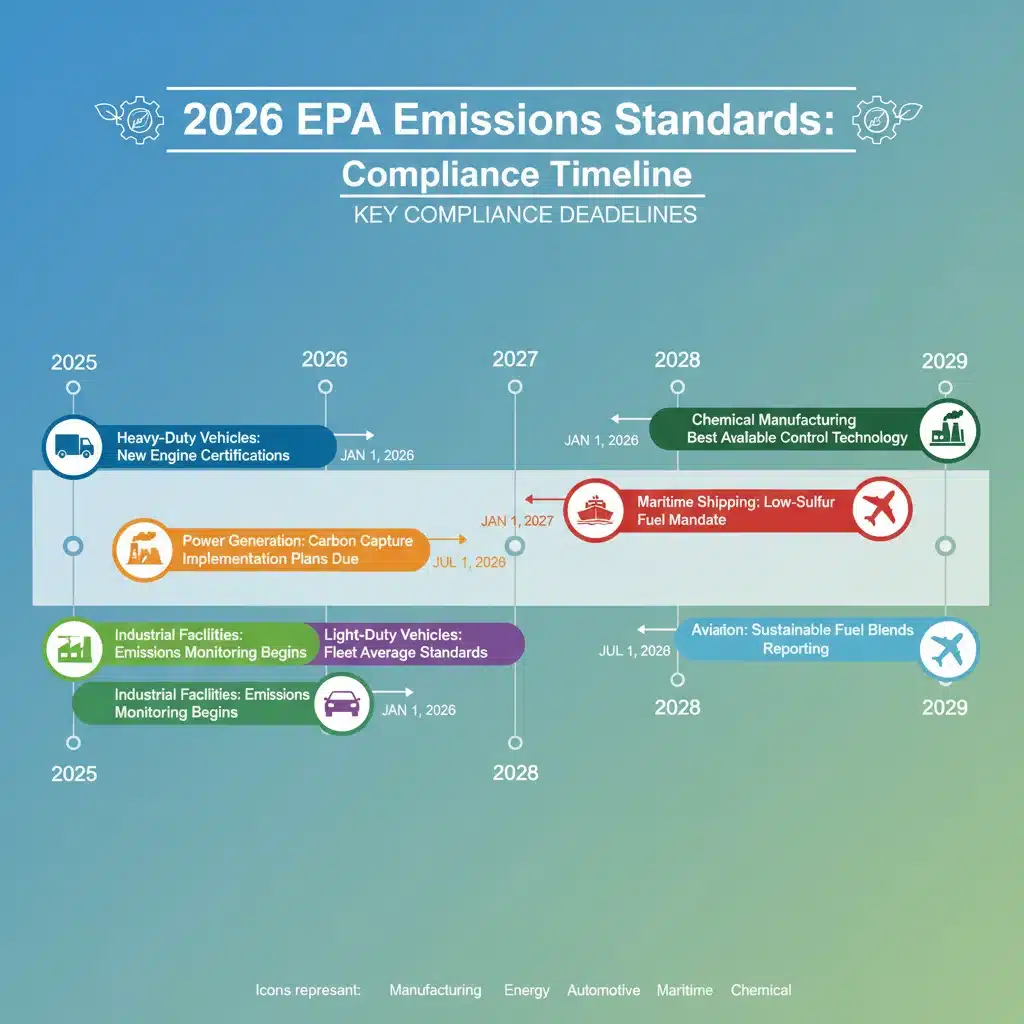
The year 2026 is not a single, monolithic deadline but rather a critical milestone within a phased implementation strategy. Businesses must understand that different regulations may have varying effective dates and compliance periods, depending on the specific industry, pollutant, and the scale of operations. A detailed review of the official EPA announcements and guidance documents is essential for each affected entity.
Generally, the EPA provides a window for industries to adapt, often involving interim targets or reporting requirements leading up to the final compliance date. For EPA Emissions 2026, this means that while the full force of the new standards will be felt by that year, preparatory work, including baseline assessments, technology evaluations, and planning, should be well underway now.
Phased Implementation and Reporting Requirements
Many of the new standards will likely follow a phased implementation approach. This allows businesses to gradually transition to new technologies and processes without immediate, disruptive overhauls. However, this also means that early engagement and strategic planning are vital. Companies that delay their preparations risk falling behind, potentially facing penalties or significant last-minute costs.
Accurate and transparent reporting will be a cornerstone of the new compliance regime. Businesses will be expected to meticulously monitor their emissions, maintain detailed records, and submit regular reports to the EPA. The increased emphasis on data accuracy and verifiable reporting highlights the need for robust internal monitoring systems and environmental management protocols. Failure to comply with reporting requirements can lead to fines and other enforcement actions, irrespective of actual emission levels.
Penalties for Non-Compliance
The EPA is known for its rigorous enforcement of environmental regulations. Non-compliance with the new EPA Emissions 2026 standards can result in a range of significant penalties. These can include substantial monetary fines, which can escalate daily for ongoing violations. Beyond financial repercussions, businesses may face consent decrees, injunctions requiring specific actions, or even criminal charges in severe cases of willful non-compliance.
Furthermore, the reputational damage associated with environmental violations can be immense. Public perception, investor confidence, and consumer loyalty can all be severely impacted, leading to long-term business challenges. The cost of non-compliance almost invariably outweighs the cost of proactive adherence.
Impact on Industries: Who Will Be Most Affected?
While the new EPA standards will have a broad reach, certain industries are likely to feel the most significant impact due to their inherent emission profiles and operational structures.
Energy and Utilities Sector
The energy sector, particularly those relying on fossil fuels for power generation, will face considerable pressure. Coal-fired power plants, for instance, will need to invest heavily in carbon capture technologies or accelerate their transition to cleaner energy sources like natural gas, renewables, or nuclear power. The push for renewable energy will intensify, creating both challenges for traditional players and opportunities for innovators in solar, wind, and geothermal.
Manufacturing and Heavy Industry
Industries such as steel production, cement manufacturing, chemical processing, and refining are typically energy-intensive and produce significant process emissions. These sectors will need to explore advanced process optimization, material substitution, and potentially novel emission reduction technologies to meet the EPA Emissions 2026 targets. The cost of upgrading existing infrastructure can be substantial, necessitating careful financial planning and strategic investments.
Transportation Sector
From heavy-duty trucks and marine vessels to aviation, the transportation sector is a major source of NOx, PM2.5, and CO2 emissions. The new standards are likely to accelerate the adoption of electric and hydrogen-powered vehicles, improve fuel efficiency standards, and promote the use of sustainable alternative fuels. Logistics companies, fleet operators, and vehicle manufacturers will need to adapt their strategies and product offerings accordingly.
Agriculture and Waste Management
While often overlooked, agriculture and waste management also contribute to greenhouse gas emissions, particularly methane from livestock and landfills, and nitrous oxide from fertilizers. The EPA may introduce new guidelines or incentives for practices that reduce these emissions, such as improved manure management, advanced anaerobic digestion, and sustainable farming techniques.
Strategies for Achieving and Maintaining Compliance
Meeting the EPA Emissions 2026 standards requires a proactive, multi-faceted approach. It’s not just about installing new equipment; it’s about embedding environmental responsibility into the core of business operations.
Conducting a Comprehensive Emissions Audit
The first step for any affected business is to conduct a thorough emissions audit. This involves identifying all sources of emissions within your operations, quantifying their levels, and comparing them against the new EPA standards. An audit helps pinpoint areas of non-compliance and prioritizes where interventions are most needed. Engaging environmental consultants or internal experts with a deep understanding of regulatory requirements is crucial for an accurate assessment.
Investing in Advanced Pollution Control Technologies
For many industries, upgrading or installing new pollution control technologies will be non-negotiable. This could range from advanced scrubbers and filters to more efficient combustion systems. Researching and selecting the most appropriate BACT for your specific emissions profile is vital. Consider not only the initial capital expenditure but also operational costs, maintenance requirements, and long-term effectiveness.
Process Optimization and Energy Efficiency
Reducing emissions often goes hand-in-hand with improving operational efficiency. By optimizing processes, reducing waste, and enhancing energy efficiency, businesses can often achieve significant emission reductions without solely relying on end-of-pipe solutions. This includes implementing lean manufacturing principles, upgrading to more energy-efficient machinery, and exploring renewable energy sources to power operations. These measures not only aid in compliance but also lead to substantial cost savings.
Transitioning to Cleaner Fuels and Raw Materials
Where feasible, transitioning to cleaner fuels or raw materials can dramatically reduce emissions. For example, switching from high-sulfur fuels to natural gas or biofuels, or using recycled materials in manufacturing processes, can have a direct positive impact on your environmental footprint. This strategy often requires re-evaluating supply chains and potentially collaborating with suppliers to source more sustainable inputs.

Developing Robust Environmental Management Systems (EMS)
An effective Environmental Management System (EMS), such as ISO 14001, provides a structured framework for managing environmental impacts. An EMS helps businesses systematically identify, monitor, and control their environmental performance, ensuring continuous improvement and consistent compliance with the EPA Emissions 2026 standards. This includes establishing clear environmental policies, setting objectives and targets, assigning responsibilities, and conducting regular audits.
Employee Training and Awareness
Ultimately, environmental compliance is a collective responsibility. Ensuring that all employees, from senior management to operational staff, are aware of the new regulations, their roles in compliance, and best practices for emission reduction is critical. Regular training programs can empower employees to contribute to the company’s environmental goals and identify potential issues before they become violations.
Financial Considerations and Support
The costs associated with complying with stricter emissions standards can be significant. However, there are various financial mechanisms and support programs available to help businesses navigate these investments.
Government Incentives and Grants
Federal, state, and local governments often offer incentives, grants, and tax credits for businesses that invest in environmental technologies and sustainable practices. These can include grants for research and development of clean technologies, tax credits for renewable energy installations, or low-interest loans for pollution control equipment. Businesses should actively research and apply for these programs to offset compliance costs.
Carbon Credits and Trading Schemes
In some regions, carbon credit and trading schemes allow businesses that reduce their emissions below mandated levels to sell their surplus credits to other companies that are struggling to meet their targets. This market-based mechanism can provide a financial incentive for early adopters of emission reduction technologies and create a revenue stream from environmental performance. Understanding if your industry and region participate in such schemes is crucial.
Long-Term Savings and Competitive Advantage
While initial investments might be substantial, the long-term benefits of compliance and sustainability often outweigh the costs. Reduced energy consumption, lower waste disposal fees, improved resource efficiency, and enhanced brand reputation can all lead to significant financial savings and a stronger competitive position. Businesses that proactively embrace the EPA Emissions 2026 standards are likely to be seen as leaders, attracting environmentally conscious consumers and investors.
The Broader Implications of Stricter Emissions Standards
The EPA’s new standards are not just about individual business compliance; they are part of a larger national and global effort to address environmental challenges.
Public Health and Environmental Benefits
Ultimately, the goal of these regulations is to improve public health and protect natural ecosystems. Reduced air pollution leads to fewer respiratory and cardiovascular diseases, lower healthcare costs, and a better quality of life for communities. By curbing greenhouse gas emissions, these standards contribute to mitigating climate change, preserving biodiversity, and safeguarding natural resources for future generations.
Innovation and Economic Growth
While some might view regulations as a burden, they often act as a powerful catalyst for innovation. The demand for cleaner technologies and sustainable solutions drives research and development, creating new industries, jobs, and economic growth opportunities in the green sector. Businesses that invest in these areas early can become leaders in emerging markets.
Global Competitiveness
As environmental concerns become increasingly global, countries and regions with robust environmental standards are often seen as more responsible and competitive in the international arena. Adhering to stringent EPA Emissions 2026 standards can enhance the reputation of American businesses and products on the global stage, fostering international trade and collaboration.
Conclusion: A Call to Action for 2026
The EPA’s unveiling of stricter emissions standards with compliance deadlines for 2026 marks a pivotal moment in environmental policy. These regulations are a clear signal that the era of unchecked emissions is drawing to a close, paving the way for a more sustainable and environmentally conscious industrial landscape. For businesses, the time to act is now.
Proactive engagement, strategic planning, and a commitment to innovation are not just pathways to compliance but also critical drivers of long-term business success. By understanding the new standards, assessing their impact, and implementing effective mitigation strategies, companies can transform potential challenges into opportunities for growth, efficiency, and enhanced corporate responsibility. The journey to meet the EPA Emissions 2026 standards may be complex, but with careful preparation and a forward-thinking mindset, businesses can not only meet their obligations but also thrive in a cleaner, greener future. The health of our planet and the prosperity of our economy depend on our collective ability to rise to this challenge.