Global Supply Chain Disruptions: Impact on U.S. Consumer Goods by Q2 2026
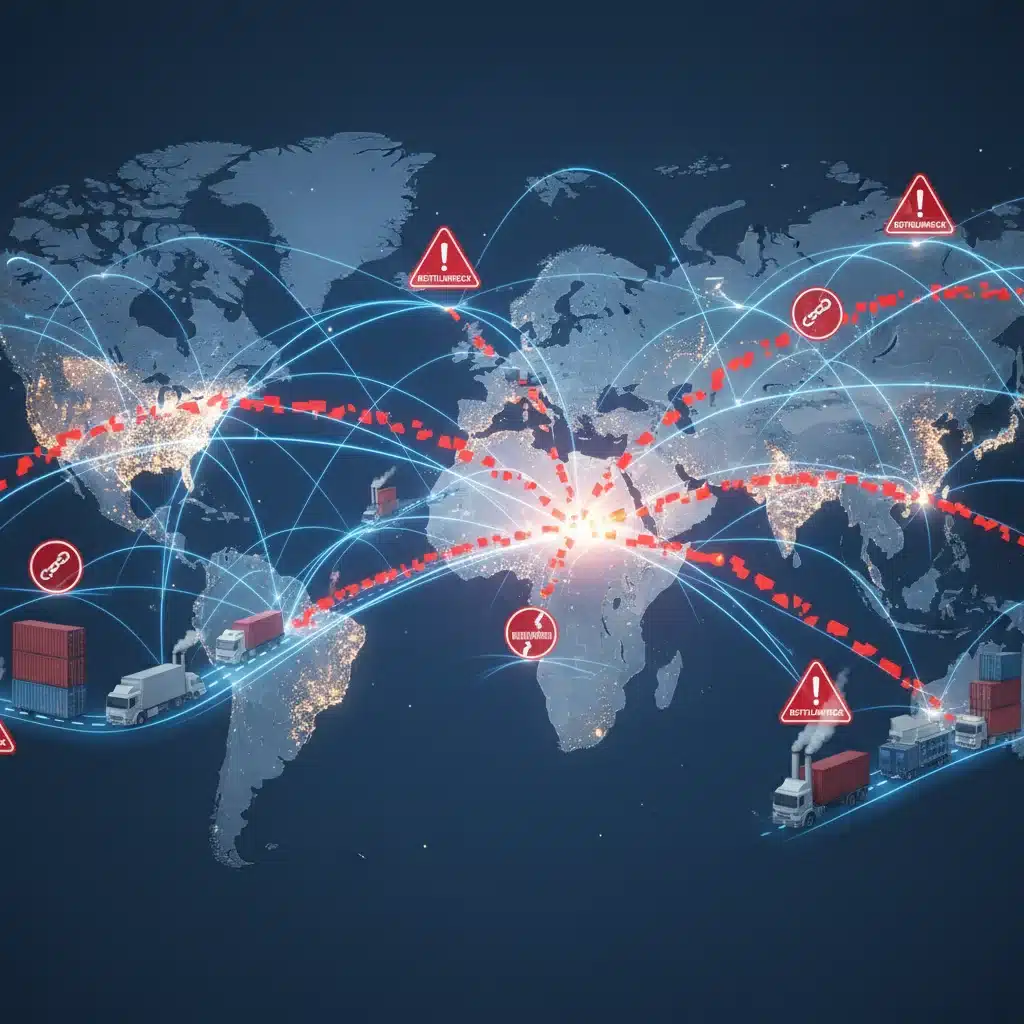
The Unfolding Crisis: Latest Global Supply Chain Disruptions and Their Impact on U.S. Consumer Goods by Q2 2026
The intricate web of global commerce, often taken for granted, has been under immense strain for several years. From the initial shockwaves of the pandemic to geopolitical tensions and climate-related events, global supply chain disruptions have become a persistent feature of the economic landscape. These disruptions, far from being isolated incidents, ripple through international trade, transportation, and manufacturing, ultimately landing on the shelves of U.S. retailers and the wallets of American consumers. As we look towards Q2 2026, understanding the current state and future trajectory of these challenges is paramount for businesses and consumers alike.
The term ‘supply chain’ often conjures images of ships, trucks, and warehouses. While these are critical components, the reality is far more complex, encompassing everything from raw material extraction and processing to manufacturing, logistics, distribution, and final delivery. A disruption at any point in this chain can have cascading effects, leading to delays, increased costs, and ultimately, product shortages. The U.S., heavily reliant on global trade for a vast array of consumer goods, is particularly vulnerable to these external shocks.
This comprehensive analysis delves into the latest global supply chain disruptions, examining their root causes, current manifestations, and the projected impact on U.S. consumer goods through the second quarter of 2026. We will explore key sectors, highlight emerging trends, and discuss strategies for resilience in an increasingly volatile global economy.
Understanding the Nature of Current Global Supply Chain Disruptions
The nature of global supply chain disruptions has evolved significantly since 2020. What began as a demand-side shock and subsequent factory shutdowns quickly transformed into a complex interplay of factors that continue to challenge the efficiency and predictability of global trade. Several key areas stand out as primary drivers of these ongoing issues:
Geopolitical Tensions and Trade Wars
The geopolitical landscape plays an increasingly significant role in supply chain stability. Conflicts, sanctions, and protectionist trade policies can severely restrict the flow of goods and raw materials. For instance, ongoing tensions between major global powers have led to tariffs, export controls, and a push for ‘de-risking’ supply chains, often resulting in higher costs and longer lead times for U.S. importers. The war in Ukraine, for example, heavily impacted agricultural commodities and energy prices, creating ripple effects across various industries, including food processing and manufacturing of goods that rely on petrochemicals.
Climate Change and Extreme Weather Events
The escalating frequency and intensity of extreme weather events are no longer abstract threats but concrete realities for supply chains. Hurricanes, floods, droughts, and heatwaves can disrupt agricultural output, damage infrastructure (ports, roads, rail), and impede transportation. Consider the impact of droughts on waterway levels, affecting barge traffic in critical European and Asian rivers, or the devastation caused by typhoons in Southeast Asia impacting electronics manufacturing hubs. These events are becoming more predictable in their unpredictability, forcing businesses to build greater resilience into their logistics networks.
Labor Shortages and Industrial Relations
A persistent challenge across many sectors, labor shortages continue to plague logistics, manufacturing, and transportation. From truck drivers and port workers to factory floor personnel, the availability of skilled labor remains a bottleneck. The ‘Great Resignation’ and evolving workforce demographics have exacerbated these issues. Furthermore, industrial actions, such as strikes by port workers or railway employees, can bring critical components of the supply chain to a standstill, causing significant delays and financial losses. These labor-related global supply chain disruptions directly impact the ability to move and produce goods efficiently.
Energy Price Volatility
Fluctuations in global energy prices directly translate into higher operational costs for every stage of the supply chain. Fuel is a major expense for shipping, trucking, and air freight. Elevated oil and gas prices increase manufacturing costs, particularly for energy-intensive industries. These added costs are inevitably passed on to consumers, contributing to inflationary pressures on U.S. consumer goods. The interplay between geopolitical events and energy markets means this volatility is likely to persist.
Technological Dependencies and Cyber Threats
While technology has revolutionized supply chain management, it also introduces new vulnerabilities. A high reliance on specific components, particularly semiconductors, makes entire industries susceptible to shortages if a key manufacturing hub is disrupted. Moreover, the increasing digitalization of supply chains exposes them to cyber threats. A successful cyberattack on a major logistics provider or port authority can paralyze operations, leading to widespread delays and significant financial losses, adding another layer to the complexity of global supply chain disruptions.
Sector-Specific Impact on U.S. Consumer Goods
The impact of global supply chain disruptions is not uniform across all categories of U.S. consumer goods. While some sectors are more resilient, others remain highly exposed due to their reliance on specific inputs, complex manufacturing processes, or just-in-time inventory strategies.
Electronics and Technology Goods
This sector remains highly vulnerable, primarily due to its dependence on semiconductor chips and specialized components, many of which are manufactured in a concentrated geographic area. While chip shortages have eased somewhat from their peak, the production capacity for advanced chips is still limited, and geopolitical risks continue to loom large. Consumers can expect continued price volatility, periodic availability issues for popular devices, and potentially longer waits for new product releases through Q2 2026. The shift towards onshoring and friend-shoring of semiconductor manufacturing is a long-term solution, but its effects will not be fully realized within this timeframe.
Apparel and Footwear
The apparel and footwear industry faces challenges from rising labor costs in traditional manufacturing hubs, increased shipping expenses, and fluctuating raw material prices (cotton, synthetic fibers). Ethical sourcing and sustainability demands also add complexity. Fast fashion models, which rely on rapid production and delivery, are particularly susceptible to global supply chain disruptions. Consumers may experience higher prices, fewer promotional sales, and a less diverse range of options as brands streamline their offerings to manage risk. Lead times for new collections could also be extended.
Automotive Components and Vehicles
Although not directly ‘consumer goods’ in the everyday sense, new vehicles are a significant consumer purchase, and their production is heavily impacted by supply chains. The automotive sector was severely hit by chip shortages, leading to widespread production cuts. While improvements have been made, the transition to electric vehicles (EVs) introduces new dependencies on critical minerals like lithium and cobalt, whose supply chains are also susceptible to geopolitical and environmental risks. Consumers can anticipate continued high prices for both new and used vehicles, potentially longer waiting lists for popular models, and a slower rollout of certain EV technologies through Q2 2026.
Food and Beverages
The food and beverage sector is acutely sensitive to global supply chain disruptions, particularly those related to climate change, geopolitical conflicts impacting agricultural exports, and energy prices affecting transportation and processing. Specific vulnerabilities include grain supplies, edible oils, coffee, and specialty ingredients. Consumers are likely to continue experiencing elevated food prices, occasional shortages of specific imported items, and a potential shift towards more locally sourced options where feasible. The cost of packaging materials, also subject to supply chain issues, further contributes to price increases.
Home Goods and Furniture
This category, often characterized by bulky items and reliance on overseas manufacturing (especially from Asia), continues to face challenges from shipping costs and port congestion. Timber, metals, and various components used in furniture and home decor are subject to global supply chain disruptions. Consumers may see longer delivery times for custom or imported furniture, higher retail prices, and a greater emphasis on domestically produced alternatives, even if at a premium. Inventory management becomes critical for retailers in this space.
Projected Impact on U.S. Consumer Goods by Q2 2026
Forecasting the future of global supply chain disruptions is challenging due to the dynamic nature of the influencing factors. However, based on current trends and expert analyses, we can anticipate several key impacts on U.S. consumer goods by Q2 2026:
Persistent Inflationary Pressures
While central banks are working to curb inflation, the cost-push factors originating from supply chain inefficiencies are likely to continue exerting upward pressure on prices. Increased transportation costs, higher raw material prices, and rising labor expenses will inevitably be passed on to consumers. We may not see the dramatic price spikes of recent years, but a sustained, elevated baseline for many consumer goods is probable. This means that the purchasing power of the average American consumer could remain constrained.
Increased Lead Times and Reduced Product Availability
For certain specialized or highly globalized products, consumers should prepare for longer waiting periods. Companies are still working to diversify their supplier base, but establishing new manufacturing facilities and logistics networks takes time. This could mean that popular items, especially in electronics, automotive, and certain apparel categories, might not always be immediately available off the shelf. Retailers will likely adopt more conservative inventory strategies, leading to less variety in some product lines.
Shift Towards Regionalization and Reshoring
The drive for supply chain resilience will accelerate efforts to regionalize and reshore production. This means more manufacturing capacity being brought closer to end markets, such as North America for U.S. consumers. While this strategy aims to reduce vulnerability to overseas global supply chain disruptions, it often comes with higher production costs initially, which could translate into higher prices for consumers. However, it also promises greater stability and shorter delivery times in the long run.
Enhanced Supply Chain Visibility and Technology Adoption
Businesses will continue to invest heavily in technologies that provide greater visibility into their supply chains, such as AI-powered forecasting, blockchain for traceability, and advanced analytics. This will help companies anticipate and mitigate disruptions more effectively. While consumers won’t directly interact with these technologies, they will benefit from more reliable product availability and potentially more transparent pricing, even if the underlying costs remain elevated.
Greater Emphasis on Sustainability and Ethical Sourcing
Consumer demand for sustainably and ethically produced goods will continue to grow, pushing companies to scrutinize their supply chains more closely. This trend, while positive, can add complexity and cost, as ensuring ethical labor practices and environmental compliance across a global network is challenging. Brands that successfully navigate these demands and communicate their efforts effectively may gain a competitive advantage, even if their products carry a premium due to these enhanced sourcing practices.
Strategies for Businesses to Mitigate Global Supply Chain Disruptions
In the face of persistent global supply chain disruptions, businesses are not without recourse. Proactive strategies are essential for maintaining competitiveness and meeting consumer demand. These strategies often require significant investment and a fundamental rethinking of traditional supply chain models.
Diversification of Suppliers and Geographic Sourcing
Relying on a single supplier or a concentrated geographic region for critical components is a significant risk. Companies are actively working to diversify their supplier base, seeking out alternative manufacturers in different countries or even domestically. This ‘multi-sourcing’ approach reduces dependence and provides backup options when one part of the world experiences a disruption. While it can increase complexity and potentially cost, the resilience gained often outweighs these drawbacks.
Building Buffer Inventories (Strategic Stockpiling)
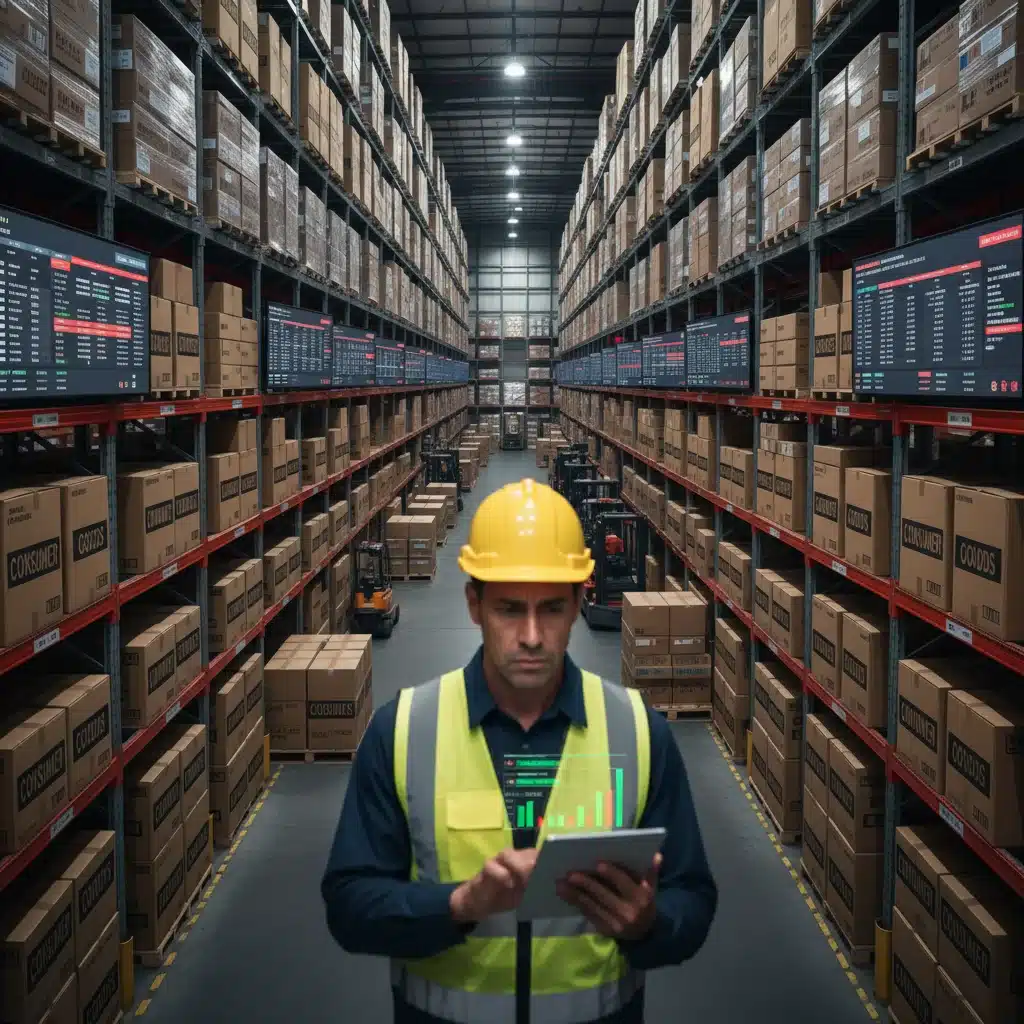
The ‘just-in-time’ inventory model, while efficient in stable times, proved vulnerable during widespread global supply chain disruptions. Many companies are now shifting towards a ‘just-in-case’ approach, building strategic buffer inventories of critical components or finished goods. This helps absorb shocks and ensures continuity of production or sales during short-term disruptions. However, this strategy comes with increased warehousing costs and the risk of obsolescence, requiring careful balance and sophisticated forecasting.
Investing in Digital Transformation and Data Analytics
Leveraging technologies like AI, machine learning, and blockchain can provide unparalleled visibility and predictive capabilities. Real-time data on inventory levels, shipping movements, and geopolitical events allows companies to anticipate potential disruptions and react swiftly. Digital twins of supply chains can simulate the impact of various scenarios, enabling better decision-making. This digital transformation is crucial for navigating the complexities of modern global supply chain disruptions.
Strengthening Partnerships and Collaboration
Building strong, collaborative relationships with suppliers, logistics providers, and even competitors (in certain contexts) can enhance resilience. Sharing information, co-investing in solutions, and developing joint contingency plans can create a more robust ecosystem. Long-term contracts with key partners can also provide greater stability and commitment during turbulent times. These partnerships are especially vital when dealing with specialized components or niche markets.
Re-evaluating Logistics and Transportation Networks
Companies are rethinking their transportation strategies, exploring alternative routes, modes of transport (e.g., shifting from ocean freight to air freight for critical components, despite higher costs), and diversifying logistics providers. Investing in owned logistics assets or forming strategic alliances with logistics companies can also provide greater control. The goal is to create a more agile and adaptable transportation network that can pivot quickly in response to unforeseen global supply chain disruptions.
Designing for Resilience (Product Design and Manufacturing)
Product design itself can contribute to supply chain resilience. This includes designing products with interchangeable components, using more readily available materials, or simplifying product architectures to reduce dependence on highly specialized or single-sourced parts. Modular designs can also allow for easier assemblycloser to the consumer, reducing reliance on fully finished goods being shipped long distances. Manufacturing processes are also being re-evaluated to allow for greater flexibility and quicker adaptation to material shortages.

The Consumer’s Perspective: Adapting to a New Reality
For the average U.S. consumer, the sustained global supply chain disruptions mean a shift in purchasing habits and expectations. The era of instant gratification and limitless choice, while not entirely gone, is certainly being challenged.
Patience and Flexibility
Consumers will need to exercise greater patience, particularly for big-ticket items or highly anticipated new products. Flexibility in brand choice and product specifications will also be beneficial. If a preferred brand or model is unavailable, being open to alternatives can prevent frustration. This requires a shift from expecting immediate availability to planning purchases further in advance.
Budgeting for Higher Costs
The inflationary pressures stemming from supply chain issues are likely to persist. Consumers should budget for potentially higher prices across a wide range of goods, from groceries to electronics. Comparison shopping and seeking out sales will become even more critical strategies for managing household budgets. Understanding that some price increases reflect genuine cost pressures, rather than just corporate profiteering, can help manage expectations.
Supporting Local and Domestic Businesses
As businesses regionalize and reshore manufacturing, consumers may find more opportunities to purchase locally produced goods. While these might sometimes come at a higher price point, they often offer the benefits of shorter supply chains, potentially higher quality, and a reduced environmental footprint. Supporting local businesses can also contribute to community economic resilience and reduce exposure to global supply chain disruptions.
Informed Decision-Making
Staying informed about global economic trends, specific product availability, and anticipated delays can empower consumers to make better purchasing decisions. Following industry news, subscribing to retailer updates, and understanding the factors influencing product availability will be increasingly valuable.
Conclusion: Navigating the Future of Global Trade
The landscape of global trade and supply chains has undergone a fundamental transformation, moving from an era of hyper-efficiency and cost optimization to one prioritizing resilience, visibility, and adaptability. The latest global supply chain disruptions are not merely temporary setbacks but indicators of a new normal that businesses and consumers must navigate. By Q2 2026, the U.S. consumer goods market will likely reflect these ongoing challenges through persistent, albeit moderated, inflationary pressures, selective product availability issues, and a gradual shift towards more regionalized sourcing.
For businesses, the imperative is clear: invest in diversification, technology, and strategic partnerships to build robust, agile supply chains capable of withstanding future shocks. For consumers, adapting to a reality of potentially higher costs and occasional delays, while embracing local alternatives, will be key to managing expectations and maintaining financial stability. The journey towards a more resilient global supply chain is ongoing, and its evolution will continue to shape the availability, cost, and nature of the goods that stock American homes and power the U.S. economy.
Ultimately, the challenges posed by global supply chain disruptions are also catalysts for innovation. They compel industries to rethink established practices, foster greater collaboration, and accelerate the adoption of advanced technologies. While the path ahead may be complex, a proactive and adaptive approach will be essential for thriving in this new era of global commerce.