Maximizing Public School Resources: 10 Underutilized Programs for K-12 Students in 2026
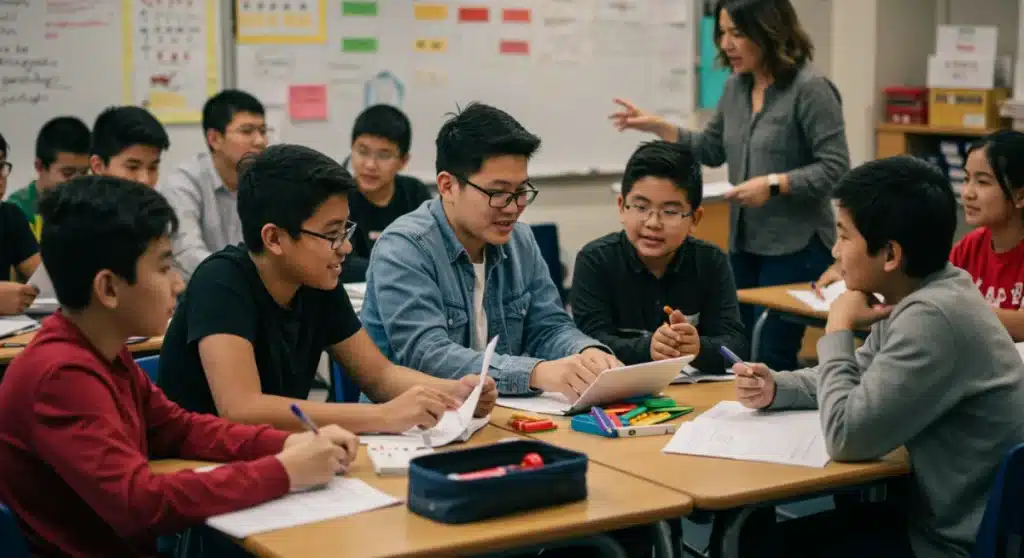
Public schools in the U.S. possess numerous underutilized programs that can significantly enhance K-12 student success and well-being, often overlooked by families and educators alike.
Are you aware of the wealth of opportunities available within your local education system? Maximizing Public School Resources: 10 Underutilized Programs for K-12 Students in 2026 is more crucial than ever for student success. Many parents and even educators might not realize the full spectrum of programs designed to support academic achievement, personal growth, and future readiness that are often available but simply not widely known or actively promoted.
Unlocking Academic Support Beyond the Classroom
Public schools are often seen as places primarily for core instruction, yet their offerings extend far beyond the daily lesson plan. A significant number of resources are dedicated to providing additional academic support, ensuring every student has the opportunity to thrive, regardless of their learning style or challenges. These programs are designed to bridge gaps, reinforce concepts, and provide personalized attention that can make a profound difference in a student’s educational journey.
One of the most valuable, yet frequently underutilized, resources is specialized tutoring. While many schools offer some form of after-school tutoring, the depth and breadth of these services can vary, often including peer tutoring, teacher-led sessions, or even partnerships with local universities. It’s not just for struggling students; advanced learners can also benefit from enrichment tutoring that delves deeper into subjects of interest.
Personalized Learning Plans and Differentiated Instruction
- Individualized Education Programs (IEPs) and 504 Plans: These are legally mandated for students with disabilities but often extend to less formal individualized learning plans for students needing specific accommodations or modified curricula. Parents should actively engage with school staff to understand how these plans can be tailored to their child’s unique needs.
- Response to Intervention (RTI) Services: RTI is a multi-tier approach to the early identification and support of students with learning and behavior needs. It involves universal screening, progress monitoring, and increasingly intensive interventions. While commonplace, parents may not fully understand how to advocate for their child within this framework.
- Gifted and Talented Programs: Beyond the initial identification, many schools offer differentiated instruction within regular classrooms or pull-out programs that provide advanced coursework, project-based learning, and opportunities for intellectual exploration. These programs are often overlooked by parents who may not realize their child qualifies or how to access them.
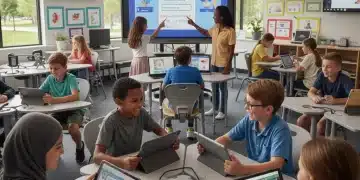
Another area ripe for greater utilization is access to digital learning platforms and online resources. Many school districts invest in subscriptions to educational software, interactive learning tools, and comprehensive online libraries that students can access from home. These resources can supplement classroom learning, provide practice opportunities, and offer alternative explanations for complex topics, yet often go unused due to a lack of awareness or guidance on how to navigate them effectively.
The academic support landscape within public schools is rich and varied. By understanding and actively engaging with these underutilized programs, parents and students can significantly enhance academic outcomes and foster a love for lifelong learning. It’s about looking beyond the surface and discovering the tailored assistance available to every student.
Beyond the Books: Holistic Development Programs
Education extends far beyond textbooks and tests. Public schools are increasingly recognizing the importance of nurturing the whole child, encompassing social, emotional, and physical well-being alongside academic growth. Many programs designed for holistic development remain underutilized, despite their proven benefits in fostering resilient, well-rounded individuals ready to face the complexities of the modern world.
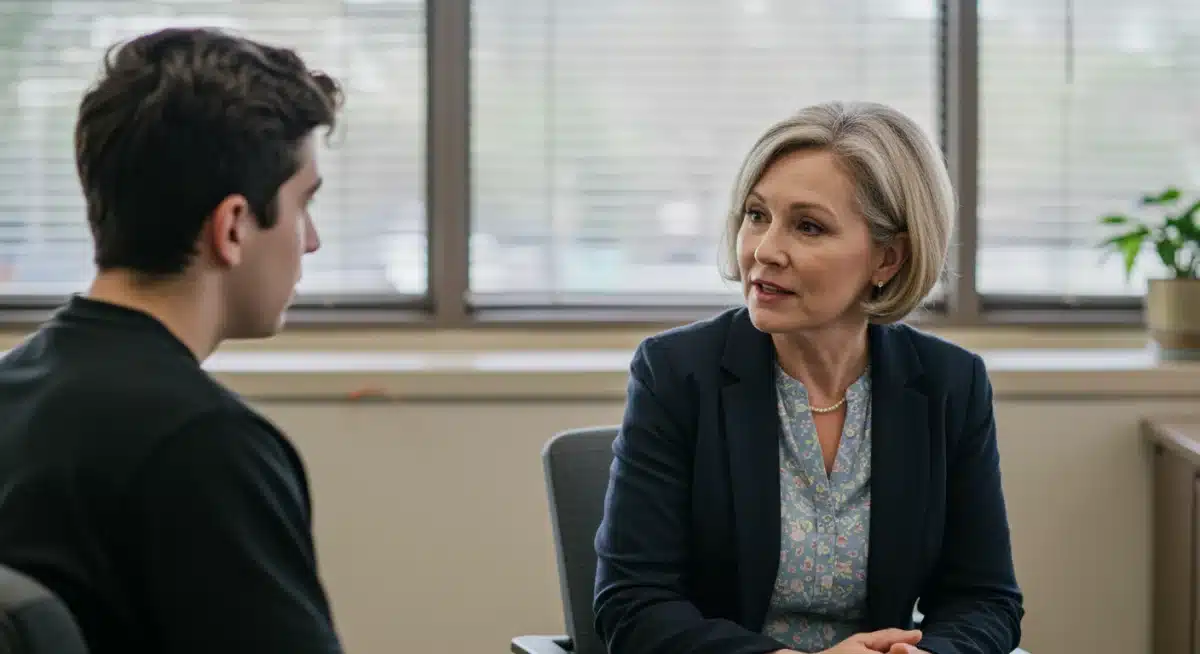
One critical yet often overlooked area is mental health and wellness support. With growing awareness of student mental health challenges, schools have expanded their services to include counselors, psychologists, and social workers who offer individual and group therapy, crisis intervention, and preventative psychoeducational programs. These resources are vital for addressing anxiety, depression, and other emotional issues that can impede learning and overall well-being.
Social-Emotional Learning (SEL) Initiatives
- Conflict Resolution and Peer Mediation: Programs that teach students essential skills for resolving disputes peacefully and fostering positive relationships. These often involve training students to mediate conflicts among their peers, building leadership and empathy.
- Anti-Bullying and Character Education: Comprehensive programs aimed at creating a safe and inclusive school environment by promoting respect, kindness, and understanding. These initiatives often include workshops, assemblies, and curriculum integration.
- Mindfulness and Stress Reduction Workshops: Increasingly, schools are offering sessions on mindfulness techniques, yoga, and other stress-reduction strategies to help students manage academic pressure and daily life challenges. These can significantly improve focus and emotional regulation.
Physical activity and nutrition programs also play a crucial role in holistic development. While physical education is standard, many schools offer additional opportunities like intramural sports, fitness clubs, and partnerships with community organizations for specialized athletic training. Nutrition education, often integrated into health classes, can be supplemented by school gardens, cooking clubs, and efforts to promote healthy eating habits within the cafeteria. These initiatives not only improve physical health but also teach valuable life skills and foster a sense of community.
Ultimately, investing in holistic development programs helps create an environment where students feel supported, safe, and empowered to explore their potential. By actively seeking out and participating in these underutilized resources, students can develop the essential life skills necessary for success both inside and outside the classroom.
Career Exploration and Vocational Training Pathways
Preparing students for life after graduation is a cornerstone of public education, yet many valuable career exploration and vocational training programs are not fully leveraged. In an ever-evolving job market, providing students with early exposure to various career paths and practical skills is paramount. These underutilized resources can empower students to make informed decisions about their future education and employment.
Career and Technical Education (CTE) programs are a prime example. Often housed in dedicated vocational centers or specialized high school tracks, CTE offers hands-on training in fields such as healthcare, automotive technology, culinary arts, computer science, and construction. These programs provide students with industry-recognized certifications and direct pathways to employment or further specialized training, yet participation rates could be higher if more families understood their value.
Early Exposure and Skill Development
- Job Shadowing and Internships: Many schools facilitate opportunities for students to shadow professionals in various fields or participate in short-term internships. These experiences offer invaluable real-world insight and networking opportunities, often leading to mentorships or future employment.
- Career Fairs and Guest Speakers: Schools regularly host career fairs and invite professionals to speak about their careers. While seemingly basic, these events provide direct interaction with diverse professionals and can spark interest in fields students might not have considered.
- Dual Enrollment and Early College Programs: These programs allow high school students to earn college credits or even an associate’s degree while still in high school. They significantly reduce college costs and provide a head start on higher education, often with vocational specializations.
Guidance counselors also play a pivotal role in career exploration, offering resources like career interest inventories, college application assistance, and scholarship information. However, due to large caseloads, students may need to proactively seek out these services. Websites and software tools provided by schools can help students research colleges, explore career options, and build resumes, but often go unused without proper guidance and encouragement.
By actively promoting and utilizing these career-focused programs, public schools can better equip students with the skills and knowledge needed to navigate their post-secondary options successfully. It’s about building a bridge between academic learning and future professional endeavors, ensuring students are not only college-ready but also career-ready.
Community Partnerships and External Resources
Public schools are not isolated institutions; they are vibrant hubs within their communities. Many schools forge invaluable partnerships with local organizations, businesses, and non-profits to enhance educational opportunities and provide external resources that might otherwise be inaccessible to students and families. These collaborations are often underutilized, representing a vast potential for enrichment and support.
One significant area is after-school and summer enrichment programs. While some are school-run, many are offered through partnerships with Boys & Girls Clubs, YMCAs, local libraries, and cultural institutions. These programs can provide academic support, artistic outlets, athletic activities, and leadership development, often at reduced costs or even free for eligible students. They offer safe, supervised environments that extend learning beyond the school day.
Leveraging Local Connections for Student Growth
- Mentorship Programs: Partnerships with community organizations or businesses can connect students with adult mentors who provide guidance, support, and exposure to different perspectives. These relationships can be transformative for students seeking role models or career advice.
- Access to Cultural Institutions: Many schools have agreements with local museums, theaters, and science centers for free or discounted student access, field trips, and educational workshops. These opportunities broaden horizons and provide experiential learning that complements classroom instruction.
- Health and Social Services Referrals: Schools often collaborate with local health clinics, food banks, and social service agencies. While not direct school programs, they act as crucial referral points, helping families access essential services for housing, food, medical care, and mental health, directly impacting a student’s ability to learn.
Volunteer opportunities and community service initiatives are another powerful, yet sometimes overlooked, avenue. Schools often partner with local charities, nursing homes, or environmental groups to offer students opportunities to give back. These experiences not only instill a sense of civic responsibility but also develop leadership skills, empathy, and provide valuable additions to college applications and resumes.
By recognizing and actively engaging with these community partnerships, schools can extend their reach and offer a more comprehensive support system for students. Families should inquire about these external resources, as they often provide unique experiences and critical assistance that can significantly impact a student’s overall development and success.
Advanced Placement and Dual Credit Opportunities
For high school students aiming for higher education, Advanced Placement (AP) courses and dual credit programs offer significant advantages, yet they are often underutilized by eligible students. These rigorous academic pathways provide opportunities to earn college credit while still in high school, saving families substantial tuition costs and giving students a head start on their university careers. Understanding and leveraging these programs is crucial for maximizing educational and financial benefits.
AP courses, offered in a wide range of subjects, are standardized college-level curricula taught in high schools. Students who perform well on the end-of-year AP exams can earn college credit or advanced placement at universities. Despite their benefits, some students may shy away due to perceived difficulty or a lack of understanding about how these credits translate to college. Encouragement from teachers and counselors, along with clear information, is key to boosting participation.
Strategic Academic Planning for College Readiness
- Early College Advising: Comprehensive guidance on how AP and dual credit courses align with specific college majors and university requirements. Counselors can help students select courses that maximize credit transfer and fit their academic goals.
- Fee Waivers and Financial Aid: Many districts offer fee waivers for AP exams and dual credit tuition for eligible low-income students. Promoting these opportunities ensures that financial barriers do not prevent students from accessing these valuable programs.
- Test Preparation Resources: Schools often provide access to study guides, practice tests, and review sessions for AP exams. Utilizing these resources can significantly improve student performance and confidence, increasing the likelihood of earning college credit.
Dual credit programs, sometimes called concurrent enrollment, allow high school students to take college courses at a local college or university, or even at their high school, receiving both high school and college credit simultaneously. These programs often have fewer prerequisites than AP and can be more accessible, yet they are sometimes overlooked in favor of the more widely known AP options. They are particularly beneficial for students who may not thrive in a high-stakes exam environment but can excel in a college-level course setting.
Both AP and dual credit options offer a powerful way to accelerate academic progress and reduce the financial burden of higher education. Schools must actively educate students and parents about these pathways, and students should proactively explore which option best suits their learning style and future aspirations, ensuring they don’t miss out on these valuable opportunities.
Enrichment Through Arts, Music, and Drama
The arts are fundamental to a comprehensive education, fostering creativity, critical thinking, and emotional expression. While core subjects often take center stage, public schools frequently offer a rich array of arts, music, and drama programs that are incredibly valuable but sometimes underutilized. These programs provide unique avenues for student engagement, skill development, and personal discovery, contributing significantly to a well-rounded educational experience.
Music programs, for instance, often extend beyond basic band or choir. Many schools offer specialized instruction in instruments, music theory, composition, and even digital music production. Participation in these programs not only develops musical talent but also enhances cognitive skills, discipline, and teamwork. However, students might not be aware of the full scope of musical opportunities available or may feel intimidated by the commitment required.
Creative Outlets and Performance Opportunities
- After-School Arts Clubs: Beyond regular classes, many schools host clubs for visual arts (painting, sculpture, digital art), creative writing, photography, and even film. These provide informal settings for students to explore their passions and develop specialized skills.
- School Productions and Performances: Drama departments often put on plays, musicals, and improv shows, offering roles not just for actors but also for students interested in stagecraft, lighting, sound, costume design, and production management. These are fantastic opportunities for collaborative learning and showcasing talent.
- Community Arts Partnerships: Schools frequently collaborate with local arts organizations, offering workshops, visiting artists, and opportunities for students to display their work in community galleries or perform at local events. These partnerships expand exposure and provide real-world artistic experiences.
Drama programs, beyond performance, teach invaluable life skills such as public speaking, confidence, empathy, and collaborative problem-solving. Students involved in theater learn to understand different perspectives, develop strong communication skills, and work effectively as part of a team, skills that are transferable to any career path. Yet, for some, the stage can seem daunting, leading to missed opportunities.
Visual arts programs, encompassing drawing, painting, ceramics, sculpture, and digital media, allow students to express themselves creatively and develop fine motor skills, spatial reasoning, and an aesthetic appreciation. These programs can also serve as therapeutic outlets and pathways to careers in design, architecture, and animation. Encouraging students to explore these creative avenues, regardless of perceived talent, is essential.
By actively participating in arts, music, and drama programs, students not only discover hidden talents but also develop crucial cognitive and social-emotional skills. These underutilized resources offer a vibrant dimension to education, fostering creativity, self-expression, and a deeper connection to culture.
Parent and Family Engagement Initiatives
A strong partnership between home and school is consistently linked to greater student success. Public schools often offer a variety of parent and family engagement initiatives designed to empower guardians to support their children’s education effectively. However, these programs are frequently underutilized, leading to missed opportunities for collaboration and mutual understanding between families and educators. Active participation in these initiatives can significantly enhance a student’s academic journey and overall well-being.
Parent-Teacher Associations (PTAs) or Parent-Teacher Organizations (PTOs) are the most common form of family engagement. While many parents are aware of their existence, active participation often remains low. These organizations are vital for fundraising, organizing school events, and providing a direct channel for parent voice in school decisions. They also offer a network for parents to connect with each other and share experiences.
Building Stronger Home-School Connections
- Parent Workshops and Training: Schools often host workshops on topics such as navigating the school’s online portal, understanding curriculum changes, supporting homework, managing screen time, or even parenting skills. These sessions provide valuable tools and information for parents.
- Volunteer Opportunities: Beyond the PTA, schools welcome parent volunteers in classrooms, at school events, for field trips, or even for administrative tasks. Volunteering offers parents a direct insight into the school environment and allows them to contribute meaningfully.
- Family Literacy and Math Nights: These events are designed to engage families in fun, interactive learning activities that reinforce academic skills. They often provide resources and strategies for parents to continue supporting learning at home.
Communication platforms, such as school websites, newsletters, and online parent portals, are crucial tools for keeping families informed. While these are widely available, consistent engagement from parents to actively seek out information and communicate with teachers can vary. Proactive communication from both sides is essential to maximize the effectiveness of these platforms, ensuring parents are aware of upcoming events, academic progress, and available resources.
Translated materials and bilingual support are also critical for engaging families from diverse linguistic backgrounds. Many schools provide documents in multiple languages and offer access to interpreters for parent-teacher conferences. These resources are designed to ensure all families, regardless of language proficiency, can participate fully in their child’s education, yet awareness of their availability can be limited.
By actively engaging with parent and family engagement initiatives, guardians become powerful advocates and partners in their children’s education. These underutilized programs are essential for creating a supportive ecosystem where students can thrive, benefiting from a cohesive and informed home-school connection.
| Program Category | Brief Description |
|---|---|
| Specialized Tutoring | Targeted academic support for various subjects and learning levels, often including peer or teacher-led sessions. |
| Mental Health Support | Access to counselors, psychologists, and programs for student well-being, stress reduction, and emotional regulation. |
| CTE Programs | Hands-on vocational training in various fields, providing industry certifications and career pathways. |
| Dual Credit Programs | Opportunities for high school students to earn college credits simultaneously, reducing future tuition costs. |
Frequently Asked Questions About Public School Programs
The best first step is to check your school district’s website, which usually lists available programs and resources. Additionally, reach out directly to your child’s teacher, school counselor, or the principal’s office. Attend parent-teacher conferences and school board meetings to stay informed about new or existing offerings.
Many academic support, mental health, and enrichment programs offered directly by public schools are free for enrolled students. However, some specialized vocational training, advanced placement exams, or community partnership programs might have a nominal fee or offer financial assistance/waivers for eligible families. Always inquire about costs.
If your child is struggling, inquire about specialized tutoring, Response to Intervention (RTI) services, or individualized learning plans. These programs provide targeted support, reinforce concepts, and can be tailored to address specific academic challenges, ensuring your child receives the personalized attention they need to succeed.
Early participation in career exploration programs helps students discover their interests, develop practical skills, and make informed decisions about their future. It can lead to clearer academic pathways, reduce college indecision, provide valuable work experience through internships, and even offer industry certifications for direct employment post-graduation.
Parents can become more involved by joining the PTA/PTO, attending parent workshops, volunteering in classrooms or at events, and engaging with school communication platforms. Proactive communication with teachers and counselors is also key. These initiatives foster a strong home-school partnership, directly benefiting student success and school community.
Conclusion
The landscape of public education in 2026 is rich with opportunities, many of which remain significantly underutilized. From robust academic support systems and comprehensive holistic development programs to vital career exploration pathways and enriching arts initiatives, schools offer far more than just standard classroom instruction. Moreover, strong community partnerships and active parent engagement programs serve as critical pillars, reinforcing the educational ecosystem. By proactively seeking out and participating in these often-overlooked resources, students, families, and communities can collectively maximize the profound potential of public schools, ensuring every K-12 student receives a truly well-rounded, supportive, and future-ready education.