Federal Education Funding 2026: K-12 Policies & Parent Impact

The landscape of K-12 education in the United States is perpetually evolving, shaped by a complex interplay of local, state, and federal policies. As we look ahead to 2026, significant shifts in federal education policies are anticipated, particularly concerning K-12 funding. These changes have the potential to profoundly impact schools, students, and communities nationwide. For parents, understanding these upcoming policies and their implications for K-12 funding 2026 is not just beneficial, but essential for advocating effectively for their children’s educational future.
Federal funding, while often a smaller percentage of overall school budgets compared to state and local contributions, plays a crucial role in supporting specific programs, initiatives, and vulnerable student populations. It can act as a catalyst for innovation, equity, and targeted support that might otherwise be unavailable. Therefore, any adjustments to these federal policies can create ripples that affect everything from classroom resources and teacher salaries to special education services and technology access.
This comprehensive guide aims to demystify the potential impact of new federal education policies on K-12 funding in 2026. We will delve into the anticipated policy changes, explore how they might influence resource allocation, and provide actionable insights for parents to understand and engage with these developments. Our goal is to equip you with the knowledge needed to navigate the evolving educational environment and ensure your child receives the best possible education.
Understanding the Current Federal Role in K-12 Funding
Before we project into 2026, it’s vital to grasp the current framework of federal involvement in K-12 funding. The federal government primarily funds education through various acts and programs designed to supplement state and local efforts, focusing on areas of national priority and equity. The Elementary and Secondary Education Act (ESEA), reauthorized as the Every Student Succeeds Act (ESSA) in 2015, stands as the cornerstone of federal K-12 education policy. ESSA replaced No Child Left Behind (NCLB) and gave states more flexibility in setting accountability goals and designing their own school improvement plans, while still maintaining a federal commitment to ensuring all students have access to a high-quality education.
Key federal programs that channel K-12 funding include:
- Title I, Part A: Improving Basic Programs Operated by Local Educational Agencies (LEAs): This is the largest federal program for K-12 education, providing financial assistance to schools with high numbers or high percentages of children from low-income families. The aim is to help ensure that all children meet challenging state academic standards.
- Individuals with Disabilities Education Act (IDEA): IDEA guarantees free appropriate public education (FAPE) for children with disabilities, providing federal funds to states and school districts to support special education and related services.
- Title II, Part A: Supporting Effective Instruction: This program aims to increase the academic achievement of all students by helping states and local educational agencies (LEAs) improve teacher and principal quality and effectiveness.
- Title III, Part A: English Language Acquisition, Language Enhancement, and Academic Achievement Act: Provides funding to help English learners attain English proficiency and meet challenging state academic standards.
- Title IV, Part A: Student Support and Academic Enrichment Grants: This flexible block grant supports a wide range of activities, including well-rounded education, safe and healthy students, and effective use of technology.
These programs collectively represent the federal government’s commitment to ensuring educational equity and excellence, particularly for historically underserved populations. Changes to the authorization levels, allocation formulas, or programmatic requirements within these acts will directly influence K-12 funding 2026 and beyond.
Anticipated Federal Policy Shifts Affecting K-12 Funding 2026
Predicting specific policy changes can be challenging, but several trends and ongoing discussions provide clues about what to expect regarding K-12 funding 2026. These trends are often influenced by shifts in presidential administrations, congressional priorities, and evolving national educational needs.
Potential Reauthorization of ESSA or New Legislative Frameworks
While ESSA is relatively recent, discussions around its effectiveness and potential updates are ongoing. By 2026, there might be efforts to reauthorize ESSA with amendments or even introduce entirely new legislative frameworks. These changes could alter:
- Accountability Measures: While ESSA gave states more flexibility, a future administration might push for more standardized federal accountability metrics, potentially linking funding to specific performance indicators.
- Funding Formulas: The formulas used to allocate Title I and other funds could be revised. For instance, there could be a greater emphasis on per-pupil spending for disadvantaged students or changes in how poverty is measured for allocation purposes.
- Programmatic Priorities: New legislation might prioritize emerging educational needs, such as mental health support, climate change education, or advanced technological literacy, potentially shifting funds towards these areas.
Increased Focus on Specific Educational Areas
Federal policies often reflect current societal challenges and priorities. For K-12 funding 2026, we might see:
- Mental Health and Well-being: Given the growing awareness of student mental health needs, federal funding could increasingly be directed towards school-based mental health services, counselors, and support staff.
- STEM Education and Workforce Development: A continued or even enhanced focus on Science, Technology, Engineering, and Mathematics (STEM) education, alongside career and technical education (CTE) programs, is probable to address workforce demands. Funding might support advanced curricula, equipment, and partnerships with industry.
- Early Childhood Education: While primarily state-funded, there could be federal initiatives to expand access to high-quality pre-kindergarten programs, recognizing the long-term benefits of early learning.
- Learning Recovery and Acceleration: Post-pandemic, there’s an ongoing need for learning recovery. While temporary relief funds are expiring, there might be new targeted federal programs to address persistent academic gaps.
Changes in Federal Grant Programs
Beyond the major acts, the federal government offers numerous competitive and formula-based grant programs. For K-12 funding 2026, we could see:
- New Grant Opportunities: Emergence of new grant programs focusing on specific innovations, research-based practices, or areas deemed critical for national educational advancement.
- Refocusing Existing Grants: Current grant programs might be re-evaluated, with their criteria and priorities adjusted to align with new federal objectives. This could mean different types of projects or schools become eligible for funding.
Impact on K-12 Funding 2026: What Parents Need to Know
These potential policy shifts will not be abstract; they will have tangible effects on schools and, consequently, on students. Understanding these impacts is crucial for parents.
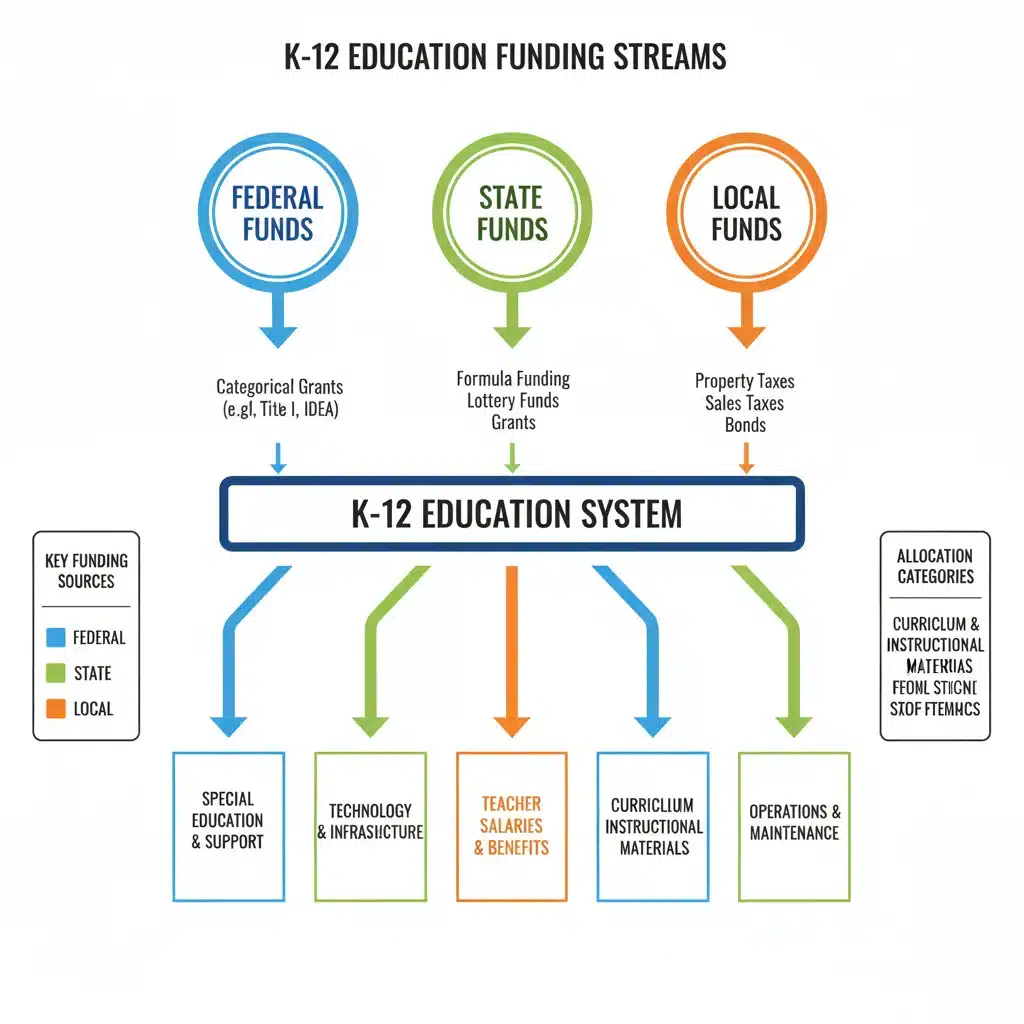
Resource Allocation and School Budgets
Changes in federal K-12 funding 2026 will directly influence how school districts allocate their resources. If federal funds for Title I increase, for example, schools with high poverty rates might see enhanced support for academic interventions, smaller class sizes, or additional instructional staff. Conversely, a reduction or redirection of funds could lead to cuts in certain programs or services.
Parents should pay attention to:
- Teacher-Student Ratios: Funding affects staffing. More federal support can help maintain or reduce class sizes.
- Specialized Programs: Programs for students with disabilities, English learners, or gifted students often rely on federal supplements. Changes could impact their scope and quality.
- Technology and Infrastructure: Federal grants sometimes fund technology upgrades, broadband access, or facility improvements, which are vital for modern learning environments.
- Extracurricular Activities: While often locally funded, a robust school budget, partly supported by federal funds, can free up local dollars for non-core academic programs.
Equity and Access
A primary goal of federal education funding is to promote equity. Any changes to how these funds are distributed will inevitably affect educational equity across different student populations and geographic regions.
- Disadvantaged Students: Policies targeting low-income students, students of color, and those in rural areas are particularly sensitive to federal funding shifts. Any decrease could exacerbate existing achievement gaps.
- Students with Disabilities: IDEA mandates services, but federal funding helps schools meet these mandates. Changes could affect the quality and availability of individualized education programs (IEPs) and related services.
- English Language Learners: Funding for language acquisition programs, bilingual support, and cultural competency training is critical for ELL success.
Curriculum and Educational Standards
While ESSA returned much of the curriculum control to states, federal priorities can still subtly influence what is taught and how. For instance, if federal grants specifically target STEM or arts education, schools might align their curricula to qualify for those funds. Parents might see:
- New Program Offerings: Schools might introduce new courses or programs in areas receiving federal emphasis.
- Teacher Training and Professional Development: Federal funds often support professional development, which can lead to new teaching methodologies or expertise in specific subjects.
Teacher Recruitment and Retention
The quality of education is directly linked to the quality of its educators. Federal funding, particularly through Title II, supports teacher professional development, recruitment, and retention efforts. Changes could impact:
- Teacher Salaries: While mostly state/local, federal funds can indirectly support competitive salaries or provide incentives for teachers in high-need areas.
- Professional Development Opportunities: Access to ongoing training, workshops, and advanced degrees for teachers.
- Staffing in Critical Areas: Funding can help districts attract and retain teachers in subjects like special education, science, or foreign languages, where shortages are common.
How Parents Can Stay Informed and Engaged
Given the potential impact of K-12 funding 2026 policies, active parental engagement is more important than ever. Staying informed and advocating for your children’s education can make a significant difference.
Monitor Federal and State Education News
Keep an eye on news from the U.S. Department of Education, congressional committees focused on education, and reputable education policy organizations. Websites like EdWeek, The 74, and your state’s Department of Education are excellent resources. Look for updates on:
- Proposed legislation related to education.
- Budget proposals from the President and Congress.
- Reports and analyses on educational outcomes and funding effectiveness.
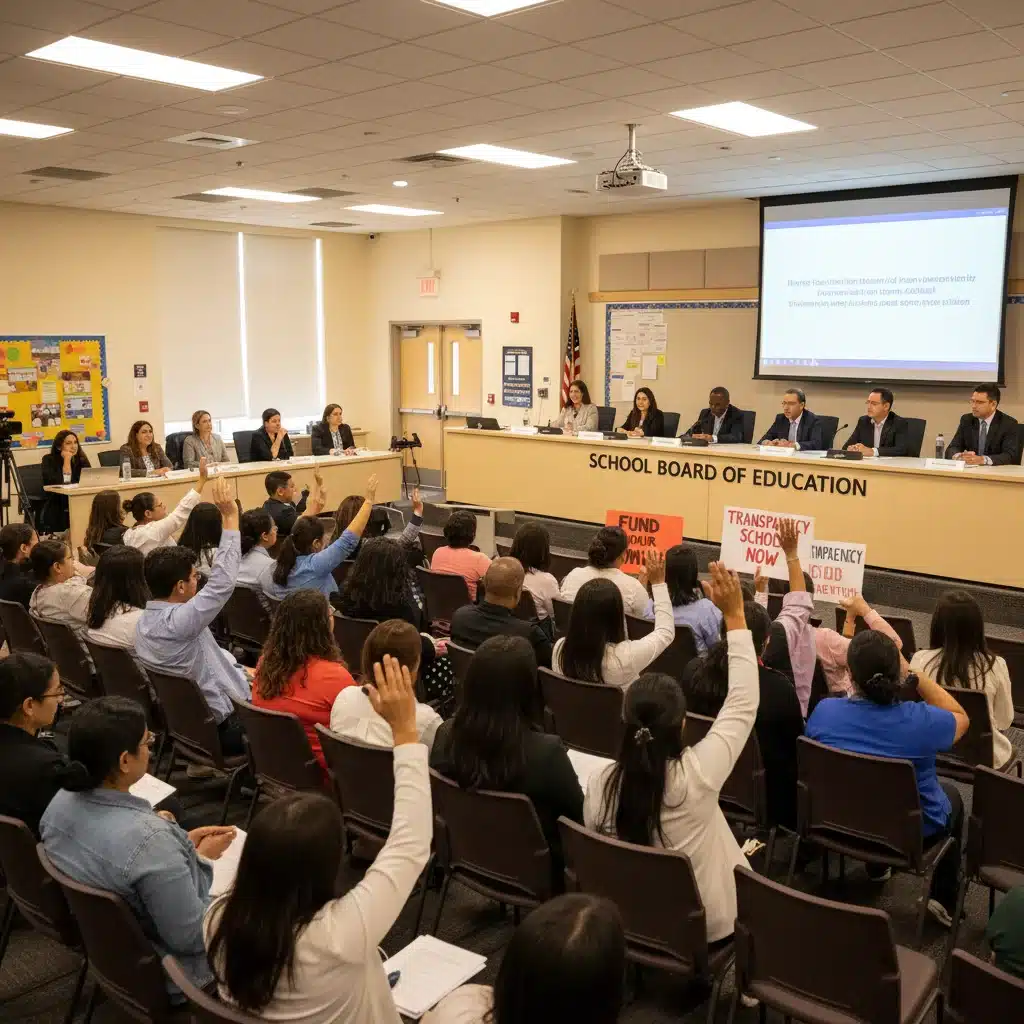
Engage with Your Local School District and School Board
Your local district is the direct recipient of federal funds. Understanding how they plan to utilize or adapt to changes in K-12 funding 2026 is crucial:
- Attend School Board Meetings: These meetings are where local budget decisions are made and discussed. Many districts have specific meetings or workshops dedicated to budget planning.
- Review District Budgets: Most districts publish their annual budgets online. Look for sections detailing federal revenue and how it’s allocated.
- Join Parent-Teacher Organizations (PTOs/PTAs): These groups often have direct lines of communication with school administration and can be influential in advocating for school needs.
- Speak with School Administrators: Schedule meetings with principals or district superintendents to ask specific questions about how federal policy changes will affect your child’s school.
Advocate at State and Federal Levels
Your voice matters beyond the local level. Policymakers are often responsive to constituent input:
- Contact Your Elected Officials: Write letters, send emails, or call your representatives in Congress and your state legislature. Share your concerns and opinions about proposed education policies and K-12 funding.
- Support Education Advocacy Groups: Organizations like the National PTA, The Education Trust, and others work to influence education policy at the national level. Supporting them or joining their advocacy efforts can amplify your voice.
- Participate in Public Comment Periods: When new federal regulations are proposed, there’s often a public comment period. This is an opportunity to submit formal feedback that policymakers must consider.
Understand Your Child’s Specific Needs
Tailor your advocacy to your child’s unique educational journey. If your child benefits from special education services, for example, pay close attention to changes impacting IDEA funding. If they are in a school with a high percentage of low-income students, Title I changes will be particularly relevant. Knowledge of your child’s specific needs allows for more targeted and effective advocacy.
The Broader Implications of K-12 Funding 2026
The impact of federal education policies on K-12 funding extends beyond individual schools and students. These policies reflect national priorities and can influence the direction of the entire education system.
Economic Impact
A well-funded education system is a cornerstone of a strong economy. Federal investments in K-12 education contribute to a skilled workforce, innovation, and economic competitiveness. Changes in K-12 funding 2026 can therefore have long-term economic consequences for communities and the nation.
Social Equity
Education is a powerful equalizer. Federal funding often targets disparities, aiming to provide all students with opportunities regardless of their socioeconomic background, race, or location. Policy shifts that reduce or redirect these funds could exacerbate social inequities, while those that enhance them could lead to greater social mobility and justice.
Innovation and Research
Federal grants often spur innovation in educational practices, curriculum development, and instructional technology. Funding for research helps identify effective strategies and disseminate best practices across the country. The future of K-12 funding 2026 will play a role in how much innovation and evidence-based practice can be fostered within the education system.
Community Development
Schools are often central to their communities. Federal funding that supports school programs, after-school activities, and community partnerships can strengthen local ties and improve overall community well-being. Changes could affect these vital community resources.
Conclusion: Preparing for the Future of K-12 Funding 2026
The upcoming federal education policies and their impact on K-12 funding 2026 represent a critical juncture for American education. While the specifics are yet to be fully determined, the trends suggest a dynamic period of potential adjustments in how schools are supported and how resources are allocated. For parents, this is not a time for passive observation but for active engagement.
By understanding the current federal role, anticipating potential policy shifts, recognizing their tangible impacts, and actively participating in advocacy at all levels, parents can become powerful agents for positive change. Your informed voice, combined with that of other parents and community members, can help shape policies that genuinely serve the best interests of all students.
Stay curious, stay informed, and stay engaged. The future of K-12 education, and the well-being of your children, depends on our collective commitment to advocating for robust and equitable funding. As K-12 funding 2026 approaches, let’s ensure our schools are equipped to provide every child with the high-quality education they deserve, preparing them for a bright and successful future.